Articles in English

Job Hunting Knowledge

[Free Template]Japanese CV Guide for Engineers: How to Write a Shokumu Keirekisho

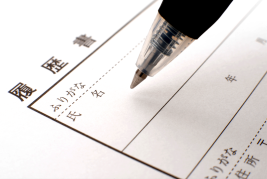
Are you an IT professional planning to work in Japan? One of the first hurdles you will face is preparing the correct job application documents for Japan. Unlike in Western countries, where a single 1-2 page resume is sufficient, Japanese companies typically require two distinct documents: the "Rirekisho" and the "Shokumu Keirekisho."For software engineers and technical professionals, the Shokumu Keirekisho (Curriculum Vitae / Career History) is the most critical document. It is where you showcase your technical stack, project experience, and engineering skills.In this guide, we will explain the standard Japanese CV format, provide an IT engineer CV example, and offer a Japanese CV template specifically designed for developers.Note: If you are worried about the language barrier or finding companies that accept English CVs, GTalent specializes in connecting global engineers with English-speaking tech jobs in Japan.[Free Template] Complete Guide to Japanese Resumes for IT EngineersJob Application Documents in Japan: Rirekisho vs Shokumu KeirekishoBefore diving into the writing process, it is essential to understand the difference between the two required documents. This is a common point of confusion known as the Japanese resume vs CV.Rirekisho (Japanese Resume)A standardized form that acts as a simple profile. It includes your photo, education history, brief employment timeline, and basic personal information. It is static and factual.Shokumu Keirekisho (Career History / Japanese CV)A detailed document describing what you did in your previous jobs. For engineers, this acts as a technical resume for Japan. It details your projects, the technologies used (languages, frameworks, tools), and your specific contributions.While the Rirekisho is a formality, the Shokumu Keirekisho is what gets you the interview.Download Your Software Engineer CV TemplateReady to start writing? You don't need to start from scratch. We have prepared a software engineer CV template that follows the industry standard in Japan.Download Template職務経歴書(Template with English guidance).docx※ Available in Microsoft Word format.Pro Tip: Once you complete your Shokumu Keirekisho, don't just keep it on your desktop. GitTap is a job platform specifically for foreign IT engineers in Japan. By uploading your profile and skill sheet there, Japanese tech companies can scout you directly based on your technical stack.How to Write a Shokumu Keirekisho for EngineersWriting a Shokumu Keirekisho can be daunting, but following a standard structure makes it easier. An effective Engineer CV in Japan should generally include the following sections:Sections 1–5: Basic Information & Skills SummaryName & Date: Always include the submission date. Avoid using a date older than 3 months, as it may give the impression that you are reusing an outdated document.Professional Summary: Summarize your entire career in 3 to 5 lines. Hiring managers use this section to decide whether to keep reading your resume.Work History Overview: List your work experience in reverse chronological order (starting with your most recent position).Core Competencies & Knowledge: Use bullet points to highlight your key strengths and areas of expertise.Technical Skills (Crucial):IT: List languages, frameworks, OS, databases, and tools (e.g., AWS, Docker).Mechanical & Electrical (M&E): List CAD software (e.g., CATIA, NX, SolidWorks), measuring instruments, PLCs, and safety standards (e.g., ISO 26262).Note: Organize these in a table format along with your "years of professional experience" for each skill.Section 6: Work Experience (The Core of Your Resume)This is the most critical part of your application. List your projects starting from the most recent. The key is to focus not just on what you did, but on how you contributed.Project Duration & Scale: Include the timeframe, team size, and budget (if applicable).Role: Clearly state your position (e.g., Individual Contributor, Team Lead, Project Manager).Project Phases (Scope of Work):IT: Requirements Definition, Basic Design, Detailed Design, Implementation/Coding, Testing, Operations & Maintenance.M&E: Conceptual Design, Detailed Design, Analysis (CAE), Prototyping, Testing/Evaluation, Mass Production Launch.Achievements & Outcomes: Focus on quantitative results. For example: "Reduced costs by X%," "Improved yield by X%," or “Shortened delivery lead time by X days.”Shokumu Keirekisho Translation: Tips for Foreign EngineersA common mistake is simply using a translation tool to convert your English resume into Japanese. This often fails because the Shokumu Keirekisho translation requires localization, not just translation.English resumes are often concise (1-2 pages). A Shokumu Keirekisho is expected to be more detailed (2-4 pages for experienced engineers). When translating, you often need to expand on your English bullet points to fit the descriptive style of the Japanese CV format.If you are not confident in your business Japanese, it is highly recommended to have your CV reviewed by a bilingual recruitment agent.ConclusionCreating a high-quality Shokumu Keirekisho is your first step toward a successful career in Japan. By focusing on a clear Skill Sheet and a detailed Project History, you can effectively communicate your value as an engineer to Japanese hiring managers.If you need professional advice on your Japanese CV or want to find high-paying tech jobs in Japan, contact GTalent today.Ready to take the next step?For Direct Offers: Register on GitTap to get scouted by tech companies looking for your specific skills.For Career Advice: Consult with GTalent agents to find high-paying, non-public-sector jobs that meet your visa requirements.

Job Hunting Knowledge

[Free Template] Complete Guide to Japanese Resumes for IT Engineers

Thinking of working as a software engineer in Japan?  To land your dream job in Tokyo's thriving tech scene—whether in robotics, AI, or gaming—you need more than just code. You need a proper Japanese resume ("Rirekisho").Unlike Western CVs, the Japanese Rirekisho has a unique format that reflects Japan's business culture. But don't worry. In this guide, you will get:Free Templates: Downloadable Excel format, ready to use.Step-by-Step Instructions: How to fill out every section specifically for developers.Key Differences: Understanding "Rirekisho" vs. "Shokumu-keirekisho" (CV). Mastering this document is your first step toward a high-paying engineering career in Japan. Let’s get started.Why You Need a Japanese Resume (Rirekisho) as an Engineer1. The Gateway to the Japanese Tech Industry Japan is not just about Anime and delicious food; it is a global powerhouse in technology. From world-class automotive manufacturing and robotics to the rapidly growing Web and AI sectors in Tokyo, the demand for international IT talent is at an all-time high.While your coding skills (Python, Java, Go, etc.) are critical, Japanese companies also value "trust" and "consistency." The Rirekisho is the standard document used to verify your background and show that you are serious about adapting to Japanese business culture.2. "Do I need to speak fluent Japanese?" This is the most common concern. While speaking Japanese is a huge plus, it is not always mandatory.Many modern tech companies and startups in Japan now use English as their primary working language. They are looking for your technical expertise first. However, submitting a properly formatted Japanese resume—even if you use a template—demonstrates your respect for the culture and significantly increases your chances of getting an interview. Note: If you are worried about the language barrier, GTalent specializes in connecting global engineers with English-speaking tech jobs in Japan. Rirekisho vs. Shokumu-keirekisho: What’s the Difference?In Western countries, a "Resume" or "CV" usually covers everything. In Japan, you generally need two separate documents to apply for a job:1. Rirekisho (履歴書 - Japanese Resume)Purpose: A standardized "Profile" document.Content: Personal info, education history, employment timeline, and basic qualifications.Format: Very strict layout. It rarely changes regardless of the job you apply for.2. Shokumu-keirekisho (職務経歴書 - Japanese CV / Career History)Purpose: To showcase your Technical Skills.Content: Detailed project experiences, programming languages (e.g., React, AWS, Docker), team size, and your specific role in each project.Format: Free format (but there are standard practices). For IT Engineers, the "Shokumu-keirekisho" is where you prove your code; the "Rirekisho" is where you prove your character.This guide focuses on the Rirekisho. If you need to write a Shokumu-keirekisho, check our article below[Free Template]Japanese CV Guide for Engineers: How to Write a Shokumu Keirekisho & Rirekisho Download Free Japanese Resume Template (Excel)First, download our standardized Japanese Resume template. It is in Excel format, so you can easily edit it on your computer.Download Templaterirekisho_format.xlsx – 31 KB※ Available in Microsoft Excel format.Pro Tip: Once you complete your resume, don't just keep it on your desktop. GitTap is a job platform specifically for foreign IT engineers in Japan. By uploading your profile there, Japanese tech companies can scout you directly.Step-by-Step Guide: How to Fill Out Your Rirekisho1. Basic Personal Information (基本情報)Name: Write your name in English (alphabet) as it appears on your passport. Adding "Katakana" pronunciation is helpful for HR managers.Photo: Essential in Japan. Wear a clean shirt (a suit is safer, but smart casual is often okay for tech jobs). Look straight at the camera. No selfies.Address: If you are overseas, write your country and current address.2. Education & Work History (学歴・職歴) This section is for the timeline.Education: List from high school onward.Work History: List your companies in chronological order.For Engineers: You don't need to list every programming language here (save that for the Shokumu-keirekisho). Just write the Company Name, Department (e.g., Software Development Dept.), and "Entered/Left".3. Licenses & Qualifications (免許・資格) This is a great chance to highlight your tech stack and language ability.Language: JLPT (N1-N5), TOEIC, TOEFL.Tech Certifications: AWS Certified Solutions Architect, Google Cloud Professional, Cisco (CCNA/CCNP), Salesforce, etc.Note: Write the official name of the qualification and the month/year you obtained it.4. Motivation & Requests (志望動機・本人希望欄)Motivation: Keep it brief. Focus on why you want to work in Japan and for that specific company.Commuting Time: If you live abroad, leave it blank.Requests: Usually, write "I will comply with your company regulations" (貴社規定に従います). If you have strict conditions (e.g., fully remote work due to visa processing), you can mention them here, but it's better to discuss this during the interview.For Direct Offers: Register on GitTap to get scouted by tech companies.For Career Advice: Consult with G Talent agents to find high-paying, non-public-sector jobs that meet your visa requirements.Common Mistakes Foreign Engineers MakeEven skilled developers make simple mistakes on their resumes that can cost them an interview. Avoid these common pitfalls:1. Mixing CalendarsJapan often uses the Imperial calendar (e.g., Reiwa 6) in conjunction with the Western calendar (2024). Stick to the Western calendar (2024) for consistency unless you are very familiar with the Japanese system.2. Handwriting vs. TypingTraditionally, Japanese resumes were handwritten. Today, typing on a PC is perfectly acceptable and preferred for IT jobs. It shows you can use basic tools efficiently.3. Using a "Selfie" PhotoWe cannot stress this enough. Even for startups, a casual selfie gives a sloppy impression. Use a clean, well-lit photo with a plain background.4. Ignoring GapsIf there is a gap in your employment history, be prepared to explain it. Japanese HR managers often check for consistency in your career timeline.Conclusion: Start Your Career in Japan TodayThe Japanese Rirekisho is more than just paperwork; it is your passport to a new life and career in one of the world's most exciting tech hubs.By following this guide and using the template, you have already cleared the first hurdle. But remember, the resume is just a tool. The goal is to land the job. Ready to take the next step?Get Scouted: Upload your new resume to GitTap and let Japanese companies come to you.Get Expert Help: If you want professional advice on visa sponsorship, salary negotiation, or interview prep, register with GTalent. Our bilingual consultants specialize in helping foreign engineers succeed in Japan.

Career Development

12/17 Online IT Job Fair: Connect & Explore, No Camera Needed!

This online job fair is designed specifically for IT Engineers currently in Japan. If you meet the criteria below, this is an excellent opportunity for you to explore new possibilities!Participants Only! 10 Winners will be randomly selected to receive a ¥5,000 Amazon Gift Card!Who Should Attend?This event is for IT Engineers with at least two years of practical experience and Business-level Japanese proficiency.Event DetailsDate & Time: Wednesday, December 17th, 2025, from 6:00 p.m. to 7:45 p.m. JST (Subject to Change)Language: This event will be conducted entirely in Japanese.Flexibility: Feel free to join and leave at your preferred time – just like watching TV! The companies currently scheduled to participate are as follows:・Mico, Inc.・AUCNET INC.・AZAPA Co., LTD.・LabBase, Inc*Schedules and the number of companies are subject to change without notice.Click here to Register: Please use the same email address you registered with for GitTap.GitTap ProfileTo participate, you must have a completed profile registration on GitTap.----Ready to Explore Your Next Career Step?----If you're an IT Engineer in Japan looking for new opportunities, don't miss out! Please feel free to register if you're interested in this event. We look forward to seeing you there!Register Here!!

Career Development

11/26 Online IT Job Fair: Connect & Explore, No Camera Needed!

This online job fair is designed specifically for IT Engineers currently in Japan. If you meet the criteria below, this is an excellent opportunity for you to explore new possibilities!Who Should Attend?This event is for IT Engineers with at least two years of practical experience and Business-level Japanese proficiency.Event DetailsDate & Time: Wednesday, November 26th, 2025, from 6:00 p.m. to 7:45 p.m. JSTLanguage: This event will be conducted entirely in Japanese.Flexibility: Feel free to join and leave at your preferred time – just like watching TV!6:00 PM - 6:10 PM Opening6:10 PM - 6:25 PM ISF NET, Inc.6:25 PM - 6:40 PM ReNK CHANNEL Co., Ltd.6:40 PM - 6:45 PM Break6:45 PM - 7:00 PM Japaniace Co., Ltd.7:00 PM - 7:15 PM Ruby Development Inc.7:15 PM - 7:30 PM Evoltech Co.,Ltd.7:35 PM - 7:40 PM ClosingImportant NotesClick here to Register: Please use the same email address you registered with for GitTap.GitTap ProfileTo participate, you must have a completed profile registration on GitTap.----Ready to Explore Your Next Career Step?----If you're an IT Engineer in Japan looking for new opportunities, don't miss out! Please feel free to register if you're interested in this event. We look forward to seeing you there!Register Here!!

Articles in English

Tips for foreigners working as designers in Japane

Designers are required to have different skills depending on the country. If you are a foreigner who wants to change careers and become a designer at a Japanese company, you should start by doing some research to find out what the design situation is like in Japan.In this article, we will introduce tips for working as a designer in Japan and the differences between the characteristics of design in Japan and other countries to foreigners who want to work as designers in Japan. If you are looking for a job as a designer, please use the IT industry job-placement agency “G Talent”, which is a recruitment agency that brings together global companies.Tips for foreigners working as designers in JapanIf you want to work as a designer in Japan, make sure you keep the following seven points in mind. This will help you understand the patterns that are often used or required of designers in Japan.Include necessary information while focusing on convenienceBe careful of the different impressions created by different colorsUse capital letters to emphasizeDesign using a combination of hiragana, katakana and kanjiText can also be written verticallySometimes the text itself is used as an illustrationImportant to be aware of the sense of the seasonInclude necessary information while focusing on convenienceIn Japan, web design emphasizes convenience with the aim of “making it easy for users to find the information they want”. For exampleThe latest update information and event information is posted on the top pageThe menu is simple and easy to understand If users judge that it is easy to find the information they want when they first visit the site, it will be easier to gain their trust.Reference: UI(ユーザーインターフェース)とは?意味やデザインのポイント/DENTSU MACROMILL INSIGHTBe careful about the different impressions created by different colorsPeople's impressions of colors differ depending on the country or region. This is also true even within the same Asian region, and there are colors that have a positive image in Japan but a negative image in other countries. When sending information to users in Japan, it is important to remember the following color images as perceived by Japanese people.Color TypeImpression on Japanese peopleWhiteClean, sacred, bright, goodRedHot, passionate, active, energetic, angryOrangeBright, healthy, warm, funYellowJoy, happiness, attentionGreenNature, healing, calm, healthyBlueSmart, fresh, coolPurpleNoble, mysterious, feminineReference: 色の持つイメージが与える心理的効果とは?チラシデザインの広告効果を高めよう!/販促の大学Use capital letters to emphasizeIn the West, English sentences and words written in capital letters give the impression of being “attention-seeking” and negative, but in Japan, they are often used not to convey a good or bad image, but as a way of emphasizing the parts you want people to read, as a way of making the text easier to read.For example, in Japan, capital letters are often used when publishing company slogans, etc. You also need to be careful about how you use the alphabet.Reference: 大文字と小文字/デザイナーの英語帳Design using a combination of hiragana, katakana and kanjiThere are three types of characters in Japanese: hiragana, katakana and kanji, and words and sentences are written using a combination of these. There are many different ways to combine these characters, so you can create a design by arranging the combination that best matches the image you want to convey. You can also add English words to create a sentence.If you look at web designs that have actually been created for Japanese users, you will see that various character combinations are used to good effect.Reference: 日本のデザインスタイルは、そのままでは海外で通用しない/ぐれこブログText can also be written verticallyCompared to the alphabet, which is not suited to vertical writing, Japanese can be written both horizontally and vertically. In addition, for people whose native language is Japanese, vertical writing is the natural way of seeing things.For non-Japanese designers who use Japanese as a second language, it may seem unfamiliar. To get used to vertical writing, try walking around town and looking at signs written in Japanese, or checking out Japanese websites.Sometimes the text itself is used as an illustrationIn Japan, it is common to emphasize text by illustrating it in advertisements and signs. In particular, Japanese kanji are characters that are easy to illustrate. Kanji are made up of a combination of the “left” radical (on the left), the “right” radical (on the right), the “top” radical (on the top), and the “bottom” radical (on the bottom), but by illustrating some of these, it becomes easier to visually convey the message to the user.For example, if you use an illustration of a fish for the fish radical and an illustration of a tree for the tree radical, it will be easier for users to form an image in their minds before they even think about it.Reference: 偏旁冠脚/goo辞書Important to be aware of the sense of the season Japan is a country where you can clearly feel the differences between spring, summer, autumn and winter. Japanese people and foreigners who are used to living in Japan have a common image of each season. Therefore, it is recommended to incorporate illustrations of seasonal events and designs that evoke a sense of the seasons into web designs for Japanese users, as this will help to create a good impression and make it easier to convey information accurately.SeasonsImpressions received by Japanese peopleSpringCherry blossoms, entrance ceremonies, new life, pinkSummerThe sun, sunflowers, shaved ice, beer, swimming, fireworksAutumnAutumn leaves, persimmons, chestnuts, grapes, saury, sports dayWinterSnow, snowflakes, Christmas, New Year, mandarin orangesReference: 季節や月別の色のイメージとは?デザインに落とし込むコツもご紹介!/mitekakuDifferences between design in Japan and design in other countriesThe internet is now a tool that allows us to easily connect with the world. Even if you are a web designer in Japan, you need to keep in mind that your website will be viewed by users not only in Japan but also in other countries around the world. In this section, we will introduce some of the trends and characteristics commonly seen in design in Japan and other major countries.Characteristics of Japanese designJapanese websites, including the index page, which is the first thing users see, tend to include as much information as possible. This is particularly true of websites that are accessed by a wide range of users, and one of the characteristics of these sites is that they tend to have little white space. However, in Japan, there is a minority of users who view websites without scrolling.On the other hand, there are many websites that have adopted the latest design trends to make their content easier to read, and these sites tend to have a core audience.It is true that many Japanese users want to obtain the information they need as quickly as possible. For this reason, it is important to use access analysis and other tools to analyze which content is needed, and to narrow down the items displayed on each page.Reference: 世界各国のWebデザインと日本のWebデザインの特徴/ManaのWebクリエイターカフェCharacteristics of American designThe United States has been a pioneer in the development of the web industry, and as a web-advanced country where the latest designs are constantly being created, many sites incorporate the latest designs. Specifically, although simple designs that use only images and headline text are generally common, the rationality of being able to easily find links to the items you really need is a feature that is also expressed on the site. Unlike sites for Japan, which emphasize the amount of information, it can be said that they emphasize images.In addition, since originality, humor and impact are highly praised in this country, “vivid colors” and “energy” are also emphasized in design.Reference: 日本とアメリカのデザインの違い/ルートメロン研究所Characteristics of French designEven in France, which is one of the Western countries, there are many minimalist sites that are as simple as American sites and display minimal content, so it can be judged that images are also emphasized here. However, when it comes to color, there seems to be a preference for simplicity and intelligence, such as “adding a theme color to black and white”. There is no need to limit yourself to the tricolor of the French flag (blue, white and red), but by considering these three colors as the basis of your design, you should be able to create a safe and smart site.Reference: フランスと日本のデザインの違い/西方見聞録(旧パリレポート)Characteristics of Saudi Arabian designIn Saudi Arabia, where there are many Muslims in the Arab world, there is a tendency for sites to be designed using images that make a strong first impression. The key is to use images that make a strong impact and make people want to click on them. This is a fundamentally different approach to design from that of Japanese sites, which do not place such importance on impact.Characteristics of Chinese designChina has many things in common with Japan's design, which is also in the Asian sphere, and it seems that web designs reminiscent of busy neon streets and signs are popular. Many sites use more colors than in Japan to pack in information, and the text and fonts are larger, and many pages are longer.In addition, because of the many information restrictions in China, it is difficult to access services and tools that are common overseas, such as Google, YouTube and Instagram. The same is true of Google Maps, so you will need to be creative when creating social networking share buttons and links to maps.Reference: 制作前に知っておきたい、中国国内向けWebサイトの開発・デザインの注意点/DESIGN JOURNALLet's find out some tips for foreigners working as designers in Japan!Web design preferences and characteristics differ depending on the user's country of origin. If you are a foreign designer looking for work in Japan, it is important to focus on designs that Japanese users are familiar with and find easy to use.Japanese people tend to want a lot of information to be visible at a glance on the top page of a website. However, it is not enough to just have a lot of information - if you carefully select the information that is really necessary and post it, it will be easier to find the links and the design will also improve.If you are looking for a job as a designer in Japan, we recommend “G Talent”, a job-placement agency for foreign IT engineers. It also lists many job openings at venture companies and global companies with English-speaking environments, so you can find a job as a designer that suits you.

Articles in English

15 common cultural differences that foreigners experience in Japanese offices

There are significant cultural differences between foreigners and Japanese people, so you may find yourself in situations where you feel a gap in the office scene. Depending on the situation, there are cases where a culture that is considered acceptable in your home country is considered taboo in Japan, so foreigners who want to work in Japan should familiarize themselves with Japanese culture in advance.In this article, we will introduce 15 common cultural differences that foreigners often experience in Japanese offices. If you are looking for a Japanese company that suits you, we recommend IT industry global company recruitment agency "G Talent".Common cultural differences that foreigners experience in Japanese offices 1: Always being greetingWhen you go to work in the morning and meet the other employees, you say “Ohayo gozaimasu” (Good morning), and when you leave work in the evening, you say “Shitsurei shimasu” (Excuse me) or “Osakini shitsurei shimasu” (Pardon me for leaving first), and Japanese people say greetings at every opportunity. Also, because there is a culture of saying “Konnichiwa” (Hello) or bowing even when you just pass someone in the hallway, to foreigners, it may seem like Japanese people are always being greeting.In particular, in Southeast Asian countries such as Thailand and Vietnam, there is no culture of greeting people in the first place, so many people from these countries feel that there is a big gap with the unique Japanese office culture of greeting people. However, because Japanese people also place importance on greetings when doing their work, if you want to work smoothly in Japan, you should also place importance on greetings.Reference: 外国人トラブル5選|文化や風習の違いで起こる/ミャンマー・ユニティCommon cultural differences that foreigners experience in Japanese offices 2:  There is a lot of reporting, contacting and consultationWhen doing their work, Japanese people place importance on what is called reporting, contacting and consultation. This is because, when they report and contact, the entire company can grasp the content of each person's work and the progress of their work, and if they consult immediately when they don't understand something, they can carry on with their work smoothly without worrying unnecessarily.However, in foreign countries, there is no culture of reporting, contacting and consulting. In the United States in particular, there is a belief that “reporting and contacting your boss without a request is a bad thing that wastes your boss' time”, so many people probably don't do reporting, contacting and consulting.However, in Japan, people who do reporting, contacting and consulting are evaluated as “able to work” and “attentive”, so please contact your boss before doing anything, and don't forget to report after finishing your work. Also, if you have any questions, be proactive and consult with your boss.Reference: ここが知りたい米国税務・会計/LighthouseロサンゼルスCommon cultural differences that foreigners experience in Japanese offices 3: Never refusing workIn other countries, each employee has a clearly defined set of tasks to do, so they don't do one task while simultaneously working on another one.However, in Japanese offices, the boundaries between individuals' work are unclear, so there is a tendency to accept requests for other tasks without refusing them even when you are in the middle of something else. In Japan, not refusing a request for work is seen as a sign of excellence, so the fact that people are expected to multitask can be seen as a generation gap between Japan and other countries.Reference: 外国人労働者の文化と価値観の違いによるトラブルとは?具体例と対処法を解説。/RISE for BusinessCommon cultural differences that foreigners experience in Japanese offices 4: Disliking small talkMany foreigners communicate through small talk rather than greetings, but small talk at work can be seen by Japanese people as a sign that you are not concentrating on your work or are slacking off. For this reason, even if you are trying to be friendly, small talk at work is often not appreciated in Japanese offices.If you want to communicate smoothly in Japan, the best way is to have conversations during breaks and exchange greetings frequently.Reference: 日本のグローバル化やダイバーシティはなぜ進まないのか?その理由は日本人の国民性にあった!?/COWELLCommon cultural differences that foreigners experience in Japanese offices 5: There is an unspoken agreementIn Japan, there is a deeply-rooted culture of unspoken agreements, where you read the mood of the situation and judge the other person's feelings. For example, “You must not leave before your boss” and “You must not go against your boss's opinion” are unspoken rules in Japanese society.However, in other countries, there is a culture that is the opposite of Japan's, where you should honestly convey your thoughts to the other person, so the unique Japanese culture of reading the mood of the situation and refraining from speaking or acting may be one of the gaps that is difficult to understand.Common cultural differences that foreigners experience in Japanese offices 6: Don't make your own decisions, ask your bossIn other countries, especially in the US, employees are free to make their own decisions as long as they contribute to the company's success, and those who can make the best decisions for themselves are highly regarded. However, in Japan, it is common practice to consult with your boss or seek their judgment before starting work. If you make your own decisions, you will be negatively evaluated as “not being cooperative” or “self-centered”, so be careful.Reference: 絶対に仕事でやるべきアメリカ🇺🇸で学んだ5つのこと/noteCommon cultural differences that foreigners experience in Japanese offices 7: No tolerance for tardinessAs is well known around the world, Japanese people are extremely punctual. It may be hard to believe, but in Japan, even a one-minute tardiness is almost always unacceptable, so when working in Japan, be sure to be punctual.Incidentally, there is also an unspoken rule in Japan that it is considered late to arrive at work after the start of the working day. For this reason, even if the working day starts at 9:00, it is safer to arrive at work between 8:30 and 8:45.Reference: 「日本人って時間に厳しすぎない?」と面倒くさがられたら…/COURRIERCommon cultural differences that foreigners experience in Japanese offices 8: Lots of overtimeIn other countries, it is considered good to work efficiently within the hours, so when you see someone working overtime, you would evaluate them as someone who is not good at their job. However, in Japan, the more overtime you do, the more you are evaluated as someone who is working hard, and the more you leave on time, the more you are evaluated negatively as someone who is “insensitive for leaving before the boss” or “someone who is cold and doesn't help others with their work”.At present, there are reforms underway in Japan to change attitudes towards overtime work, but the reality is that there are still many companies that require their employees to work overtime. For this reason, foreigners who value efficiency and want to make the most of their private time will probably find that there are significant cultural differences in Japan, where the more time you spend on work, the higher your evaluation will be.Reference: 長時間労働の原因は何なのか?日本人の労働実態と問題点/RELO総務人事タイムズCommon cultural differences that foreigners experience in Japanese offices 9: The blurred line between work and private lifeIn Japan, it is common for people to have dinner or drinks after work or on their days off. This is because many people in Japanese offices think that after-work gatherings are an important time for communication.However, in other countries, people tend to place more importance on their private lives, so it is rare for people to spend time with their colleagues after work. Most people think that communication can be achieved through casual conversation during work, so the fact that there is no clear distinction between work and private life is also a major cultural difference that foreigners feel when they are in Japanese offices.Common cultural differences that foreigners experience in Japanese offices 10: Different food culturesBecause the food cultures of Japan and other countries differ greatly, problems are likely to occur in situations where all employees eat the same meal together, such as welcome and farewell parties. For example, in Japan, you don't often hear of cases where people can't eat certain foods for religious reasons, but in Islam, which is practiced in Asia, North Africa, and the Middle East, it is forbidden to eat pork or alcohol. In particular, with regard to pork, not only the meat but also seasonings such as bouillon and lard are off limits, so there are cases where people cannot eat even a single bite of the meal that is served.Also, while raw fish is used in a variety of dishes in Japan, there are many foreigners who do not like raw fish, so it is important to let them know in advance about the differences in food culture when a meal is being held.Reference: 宗教別・信念/東京都多言語メニュー作成支援ウェブサイトCommon cultural differences that foreigners experience in Japanese offices 11: Rarely firedIn other countries, it is common for employees who have not achieved results to be fired on the spot. However, in Japan, unless they have made a major mistake, employees are not fired.Therefore, from the perspective of foreigners who are used to a system based on ability, they may find it difficult to understand Japanese society, which continues to employ employees who are not performing well.Reference: 「働かないおじさん」を守る解雇規制 「割を食うのは次世代の若者だ」 弁護士が警鐘/弁護士ドットコムニュースCommon cultural differences that foreigners experience in Japanese offices 12: Focusing on the process rather than the resultIn foreign societies, as long as the results are good, the cost and time spent on the process are not questioned. However, in Japanese society, not only the results, but also the cost and time spent on the process are taken into account when evaluating people, so if you spend a lot of money on a budget or spend too much time on a single task, your evaluation is likely to suffer.For this reason, when working in Japan, you also need to focus on building a process that will help you achieve results.Reference: 日本人がアメリカの職場で感じた10の企業文化の違い/btraxCommon cultural differences that foreigners experience in Japanese offices 13: Many companies have a retirement allowance systemIn foreign countries, sudden dismissal and changing jobs is common, so companies almost never pay a retirement allowance when someone leaves. For this reason, foreigners use a defined contribution pension system to manage their assets.In Japan, on the other hand, a retirement allowance is paid by the company at the time of retirement, depending on the number of years of service, so the longer you work for one company, the greater the benefits at the time of retirement. This is another major cultural difference that foreigners may notice in Japanese offices.Common cultural differences that foreigners experience in Japanese offices 14: Hiring people with no experienceOverseas, people are hired based on their skills and creativity, so it is rare to hire people with no experience. However, Japanese offices tend to value people who will continue to work for a long time, rather than focusing on individual skills, so they will first hire people who will not disrupt the harmony of the company, even if they have no experience.In Japan, people think that “individual skills can be honed through training and other means”, so the fact that there is an environment that is easy for people with no experience to work in is a pleasant surprise.Common cultural differences that foreigners experience in Japanese offices 15: “I can do it” is not a definite statementIn Japan, if you say you can do something, you are expected to be able to do it 100% of the time, so you don't say you can do something unless you are 100% sure you can do it. On the other hand, in countries like the US, many people will say they can do a job even if there is only a 30-50% chance of success, and then work to achieve 100% results, so there is a gap in the meaning of the word “can do” between Japan and other countries.For this reason, when you are asked to do a job in Japan, it is better to only say that you can do a job if you can achieve 100% results, to avoid any problems.Reference: 真面目な日本人よりテキトーなイタリア人の方が「仕事がデキる」と断言できる理由/PRESIDENT onlineForeigners who want to work in Japan should be aware of the common cultural differences they will encounter in Japanese officesAs we have seen in this article, foreigners working in Japan will encounter cultural differences in various situations in Japanese offices. What is considered acceptable in their home country may be taboo in Japan, so it is important for foreigners who want to work in Japan to be aware of the cultural differences between Japan and their home country in advance.At global company recruitment agency “G Talent”, we provide total support for those who are worried about the gap between Japan and other countries, from job introductions to recommendations and selection advice for companies, and even salary and other benefits negotiations, so that you can work for a Japanese company with peace of mind. We have a track record of introducing engineers from over 70 countries to over 200 Japanese IT companies, so if you are a foreign IT engineer who wants to work in Japan, start by registering for free.

Articles in English

For Foreigners: Introduce you to the programming languages that pay well!

What should foreigners do to work as IT engineers in Japan and earn a high salary? Since the salary level differs depending on the programming language you learn, it is recommended that you choose a programming language with a high salary.In this article, we will explain programming languages that will allow you to work in Japan and earn a high salary, as well as methods for increasing your salary in Japan. If you want to work at an IT company with a high salary, please use “G Talent”, which is a site where global companies in the IT industry gather.Programming languages with getting high salaries in JapanThe following are the programming languages you should learn in order to earn a high salary as an IT engineer in Japan.GoTypeScriptR languagePythonCPerlC#ScalaJavaScriptGoGo is a new language developed by Google and released in 2009, and it is popular because it is compatible with most operating systems, including Windows, MacOS X, Linux, Android, and iOS. It is a simple, high-performance programming language that is difficult to introduce bugs into. It is a popular language that is attracting a lot of attention, but there are still not many engineers who have mastered Go, so the annual income level is high.Because the grammar is completely different from other languages, there is a disadvantage in that it costs money to learn. However, it is a language that is worth spending that much money on. In Japan, it is being adopted by major companies such as LINE, Mercari, and Gunosy, and it is attracting a lot of attention.There is a shortage of Go engineers, so if you learn Go, your value in the job market will increase. Go engineers are known for their high annual income, so if you are aiming to increase your annual income as an IT engineer, you should definitely learn it.Reference: Trending Programming Languages That Make You The Most Money In Japan/G Talent BlogTypeScriptTypeScript is a programming language that is an extension of JavaScript and is upwardly compatible, and is a language that you should learn if you want to become a web engineer. It is safer to develop in TypeScript than in JavaScript, as it is less prone to bugs, so development efficiency will increase. By learning a programming language that is one step above the norm as a web engineer, you should be able to increase your salary.TypeScript is an extension of JavaScript that is widely used, so it is expected that demand for it will continue to grow. There is also a movement to rewrite systems written in JavaScript in TypeScript, so you can expect to see an increase in work in the future. By learning TypeScript in addition to JavaScript, you can take your career as a web developer to the next level.Reference: フロントエンドの開発で必要な言語一覧!JavaScriptだけでなくTypeScriptのスキルも必要?/転職GUIDER languageR is a programming language that is suitable for fields such as machine learning, statistical analysis, data analysis, data mining, and graphics. It is a language that has long specialized in statistical processing, but it has once again come into the spotlight in recent years due to the rapid development of the AI field.As it can be used in the AI field, it is an indispensable language for data engineers and data analysts. If you learn R, you can work in the AI, machine learning and data analysis fields, which are currently attracting a lot of attention, so we recommend that you learn it if you want to increase your annual income.Another language that specializes in the same AI field is Python. Python is used in the fields of deep learning and machine learning, but R was originally developed for the field of statistical analysis. R is less versatile than Python because it is used for statistical calculations and graph output. Python can also be used for web app development, but R is specialized for statistical calculations.However, there is also the problem that the R language has a high learning cost. On the other hand, however, because it is difficult to learn, if you learn it, your value as a technician will increase. There is also a high possibility of earning a high income in a field that requires the R language, and if you learn it, your range of work will also expand.Reference: R言語とは?できること・特徴はPythonとなにが違う?インストール方法から難易度まで解説/パーソルクロステクノロジーPythonPython is a highly versatile language that is used in fields such as AI, big data, and IoT, and can also be used for web app development. If you learn it, you will be able to aim for a high income at companies that handle AI and machine learning.It is predicted that AI, big data analysis, and machine learning will continue to develop in the future. Therefore, if you are aiming to increase your annual income in this field, we recommend that you learn it.Reference: 【入門】機械学習に役立つPythonの学習方法 | できることやおすすめサイトも紹介/スキルアップAICC is a very major language that has been used for a long time. It is used in a wide range of development, including core system development, software development, and embedded system development, and there are still many systems being developed in C. Therefore, there are many jobs such as changing the specifications of existing systems and maintenance, so it would be useful to learn it.There is also C++, an object-oriented language that extends C. It is a highly versatile language that can be used for web apps, embedded systems, AI development, game development, and more.Reference: C言語の需要と将来性は? 特徴について徹底解説/SAMURAI ENGINEER BlogPerlPerl has been around for a long time, but it is still a popular language that is easy to use. It is a language that is used in the fields of web development and server management. There are still many systems that run on Perl, so if you learn it, you will be able to get work as an engineer. By learning Perl, you can expand the scope of your work and aim to increase your annual income.C#C# is a general-purpose language developed by Microsoft that can be used to develop web apps, smartphone apps, games, etc. It is not the latest language, but there are many existing systems that are currently running in C#, so there are many opportunities to put it to use, and if you learn it, you can also increase your annual income. Please note that it is completely different from C and C++, even though the names are similar.Reference: C#(シーシャープ)とは?5つの特徴とできることを紹介/発注ラウンジScalaScala is a relatively new language, but it is a high-performance language that is compatible with Java. It is highly compatible with Java, and there are many systems developed in Java, so it is highly versatile.Another big attraction is that you can use most of the Java libraries. It also has the characteristics of being fast and having good development efficiency. Because it has so many advantages like this, if you learn it, you can aim to increase your annual income.JavaScriptJavaScript is a programming language that can be used to create dynamic web page movements. If you want to become a web engineer, you can say that it is a language that you must learn.As web content and web apps continue to increase, the demand for JavaScript will also increase. If you want to work as a web engineer, you should definitely learn it.Reference: jQueryへの別れ:現代的な開発のための必須JavaScriptメソッド/QiitaHow can foreign programmers increase their salary in Japan?In order to increase your salary as a foreign programmer in Japan, you should do the followingLearn programming languages with high average annual incomesImprove your programming skillsDon't get too fixated on one programming languageAcquire IT skills and knowledge other than programmingStudy Japanese to a certain extentResearch Japanese business cultureMake the most of being a foreignerChange jobs to a company with good treatmentLearn programming languages with high average annual incomesIt is important to learn programming languages with high average annual incomes. In the world of programming, “popular languages do not necessarily mean high-paying languages”.Languages that are used frequently, languages that are expected to develop in the future, languages that are rare because there are few engineers who know them - languages that meet several of these conditions are the ones that pay well. If there are already many engineers who know the language and the number of programmers who know it is at saturation point, it will be difficult to increase your salary even if you learn it. It is important to carefully check the value of the language in the job market and choose the language you should learn.Reference: バックエンドエンジニアに必要なスキル17選!効率的な勉強方法も紹介/フリーランスのミカタImprove your programming skillsIt is important to not only learn about languages, but also to improve your programming skills. Prepare a development environment at home and try developing and running programs.We also recommend that you upload your smartphone app to the app store and have it used by the general public. Acquire practical skills such as being able to use frameworks, libraries and useful development tools.Reference: プログラマーとはどんな職業?必要なプログラミングスキル・年収を解説/プロクラDon't get too fixated on one programming languageIf you want to increase your salary as an engineer, it's not a good idea to stick too rigidly to one programming language. Each programming language has its own areas of strength. Also, languages that are popular at one time will eventually become outdated. For this reason, get into the habit of learning various languages as needed.Reference: 2つ以上のプログラミング言語を習得することの重要性/綺麗に死ぬITエンジニアAcquire IT skills and knowledge other than programmingIT skills and knowledge other than programming are also necessary. Absorb a wide range of knowledge as needed, such as infrastructure-related knowledge such as server and network environment construction, and knowledge related to IoT development and AI. The knowledge and skills required differ depending on the workplace, so please acquire the knowledge and skills that match the workplace in a flexible manner.Study Japanese to a certain extentIf you can communicate smoothly with others in Japanese, it will make your work easier. If you have any problems at work, you can consult with your colleagues immediately. By improving your Japanese and actively communicating with others after you start work, you will be able to acquire practical Japanese language skills.Reference: 「やさしい日本語」のポイントを整理。外国人と円滑なコミュニケーションをとろう/せとうちResearch Japanese business cultureWe recommend that you do some research into Japanese business culture. For example, you should find out about Japanese manners such as greetings and thanking people, the hierarchical relationships between superiors and subordinates, and the Japanese work culture of doing a lot of overtime. It will be easier to deal with these things if you know about them in advance, rather than being caught out when you start work.Reference: 日本文化の特徴とは?伝統や習慣を学びビジネススキルを高める/TOPPAN BiZMake the most of being a foreignerWhen foreigners are looking for work in Japan, it is also important to make the most of the fact that you are a foreigner. Some Japanese companies are thinking about expanding into the global market.Such companies are looking for people with a global perspective, so being a foreigner can be an advantage. Also, being proficient in a foreign language such as English is also a big advantage.Reference: 英語の能力と年収は比例するってホント?/FUN☆TASTICChange jobs to a company with good treatmentWhen looking for a job, choose a company with good working conditions. It is important to check the conditions of the job offer carefully, including annual income, position, working style, and the ease of taking paid holidays.If you are looking for a company that is recruiting foreigners, we recommend the foreigner-oriented job change agency "G Talent". They handle a large number of IT job offers for foreigners, and you can also receive job change support for foreigners.For foreigners to find high-paying jobs in Japan, choosing the right programming language is importantIn this article, we have explained which programming languages will allow you to find high-paying jobs in Japan once you have mastered them, as well as how to increase your salary in Japan. If you master the languages introduced in this article, you will have a higher chance of increasing your salary in Japan.For those looking for jobs as foreign IT engineers, we recommend G Talent, a job-placement agency for foreign IT engineers. With recruitment support for over 200 companies and a track record of placing engineers from over 70 nationalities, you can receive the job-placement support you need as a foreign IT engineer. There are plenty of IT jobs at companies where you can work in a fair environment regardless of your nationality, so you're sure to find a job that suits you. Let's start with a free registration.

Working abroad

Introduction to jobs with high salaries in Japan!

When looking for work in Japan, many people probably place importance on the level of pay. Japan is widely accepting foreign workers due to a shortage of people, but there are many people who are wondering “how much is the average annual income for foreigners?”, “which type of work will get me a high salary?” and so on.In this article, we will introduce jobs in Japan that pay well. We will also explain what you need to do to get a job that pays well, so please use this as a reference when looking for work in Japan. If you are looking for a job in Japan that pays well, we recommend “G Talent”, a recruitment agency that brings together global companies in the IT industry.What is the average salary for foreign workers in Japan?According to “The 2020 Basic Survey on Wage Structure” released by the Ministry of Health, Labour and Welfare, the average wage for foreign workers was 218.1 thousand yen. The average wage for both men and women in Japan is 307.7 thousand yen, so some people may feel that this is low. The average wage for Japanese people varies depending on age, occupation and gender, so it is not possible to say that the average salary for foreign workers is low, but it is thought that the reason for the low wages is related to the length of time they have been working.In Japan, seniority is important, and the longer you work, the more chances you have to get a pay rise. It can be predicted that this unique Japanese system has an impact on the average wage for foreign workers.Compared to developing countries, salaries in Japan are higherAlthough Japan has been in a prolonged recession, the salary level is higher than in developing countries such as Southeast Asia and South America. For example, looking at the average monthly basic salary of workers in Japanese manufacturing companies in 2019, Indonesia was $348, while the Philippines and Vietnam were both at a low level of $236. Of course, salaries vary depending on the type of work and the location, but it can be said that the benefits of working in Japan are great, as you can earn a higher salary than in your home country.Reference: アジアの労務コスト比較、意外に大きい賃金水準の地域差/JETROWhat types of work have high salaries in Japan?Before looking for work in Japan, let's find out about the types of work that have high salaries. We will explain in detail about the work content, how to find a job, and the average annual salary.System Engineer/ProgrammerConsultantsMarketersAnalystsInterpreters/TranslatorsTeachersSystem Engineers/ProgrammersSystem engineers are responsible for system development, while programmers use programming languages to perform their duties. They are also known as IT engineers, and this is a job type that is in increasing demand in Japan, where the need for IT skills is growing.To become a systems engineer, you need presentation skills and knowledge of IT in general, while to become a programmer, you need knowledge and skills of programming languages.Average annual salary: 6.5 to 7.5 million yenReference: 【英語を活かせる仕事35種】選び方やレベル、想定年収まで徹底解説/神田外語学院ConsultantYou will support the performance improvement and growth of client companies by making strategic proposals and providing implementation support. Although no special qualifications or licenses are required, this is a job that requires a high level of English ability due to the increasing number of Japanese companies aiming to expand globally.The demand for consulting jobs is increasing year by year, and there are also an increasing number of jobs that welcome people with no experience. It is common to work for a consulting company and improve your skills, but there are also people who work as freelancers.Average annual salary: 5 to10 million yenReference: コンサルタントの仕事/キャリアガーデンMarketerThe job of a marketer is to understand market needs and come up with ideas for how to sell products. The work of a marketer is not simply about selling things, but also involves being responsible for the process from product development to getting the product into the hands of the customer.There are no special qualifications required to become a marketer, but you will need to use business schools and/or study on your own to gain the skills and knowledge required to become a marketer.Average annual salary: Around 5 million yenReference: マーケターとは?どんな仕事内容?年収やなり方、必要スキルも紹介/ITプロマガジンAnalystAnalysts are financial specialists who work for securities companies, banks, investment advisory firms, etc., and they research and analyze a wide range of data on topics such as earnings, business conditions, the domestic and international economy, and political situations, in order to evaluate stock prices and predict future economic trends.It seems that there is an increasing number of cases where financial institutions, etc., are recommending that people obtain securities analyst qualifications.Average annual salary: Around 7 million yenReference: アナリストの仕事の年収・時給・給料/求人ボックス給料ナビInterpreting/TranslationInterpreting is the work of acting as an intermediary between people who use different languages and translating between the languages of the two countries. Translation is the work of translating foreign language sentences and papers etc. into the language of the country in which they are used. In order to work as an interpreter or translator, there are two options: registering with an interpreting agency or temporary staffing agency, or working as a freelance interpreter or translator.No qualifications or licenses are required, but a high level of English ability is necessary.Average annual salary: 4 to 8 million yenReference: 気になる通訳の年収・給料情報/elanTeacherThis is a job where you teach English at Japanese schools or companies. In recent years, Japan has become more globalized, and with English education at elementary schools now compulsory, the demand for English teachers is increasing.In order to work as an English teacher, you need to have the “Education” visa status, and to become an English teacher at junior high school or high school, you need to obtain a “teacher's license”. If you are an English teacher at an elementary school or a private school, you do not need a license, but the recruitment requirements differ depending on the place of work, such as requiring English ability of at least 700 points on the TOEIC.Average annual salary: Around 3.5 million yenReference: 需要増加中!外国人英語教師の給料や多様な働き方を詳しく解説[グローバル2]/FellowshipForeigners looking for work in Japan! How do you get a job with a high salary?In order to get a job in Japan with a high salary, you need to keep the following points in mind.Acquire a residence status in the “specialist/technical field”Get a full-time jobAcquire IT skillsImprove language skillsLearn Japanese business etiquetteAim to acquire qualificationsChange jobs to a company that values youWe will now explain in detail the key points for finding a job with a high salary.Acquire a residence status in the “specialist/technical field”The “status of residence” referred to as a work visa is a qualification that allows foreigners to engage in certain activities while residing in Japan. Please see the table below for the main status of residence that applies to “specialized and technical fields”.Status of ResidenceExamples of WorkEngineerEngineers in fields such as mechanical engineering, SE, etc.Specialist in HumanitiesOffice work such as planning, sales, accounting, etc.International ServicesLanguage teachers at English conversation schools, interpreters/translators, designersIntra-company TransferEmployees transferred from a foreign office with the same status of residence as the two aboveTechnicianForeign chefs, foreign architects, gem processing, pilots, sports instructorsProfessorUniversity professorsInvestment/ManagementManagers and administrators of foreign-affiliated companiesLegal/Accounting ServicesLawyers, accountantsMedicalDoctors, dentists, nurses, pharmacists, radiology techniciansResearchResearchers at government-related organizations, companies, etc.EducationLanguage teachers at high schools, junior high schools, etc.There are some status of residence that allow you to work, and others that do not, so obtaining a status of residence in a “specialized or technical field” means that you have been granted permission to stay in Japan for the purpose of working. Choose a status of residence that suits your work.Reference: 我が国で就労する外国人のカテゴリー/厚生労働省Get a full-time jobThere are also routes to getting a job as a part-time or temporary worker, but if you want to earn a high salary, aim to get a full-time job. Looking at the wages by employment type, the average for full-time, permanent employees is 324.2 thousand yen, and for non-full-time, permanent employees, it is 214.8 thousand yen. In Japan, the practice of long-term employment still remains, so there are many advantages to being employed as a full-time worker in order to continue working in a stable manner.Reference: 【比較】正社員とフリーターの手取りの差はどのくらい?違いを知って自分らしい働き方を学ぼう/マイナビバイトTIMESAcquire IT skillsBy acquiring IT skills such as computer operation and programming, you will be more likely to find employment and to find work that pays well. For example, system engineers and programmers are in high demand in Japan and can earn relatively high salaries.In order to join a company with better conditions, you should aim to acquire IT-related qualifications and improve your skills.Reference: 年収1000万を超えるITエンジニアの共通点!高年収のITエンジニアランキングなども紹介/HiPro TechImprove language skillsIn order to find a job in Japan that pays well, you will need to improve your Japanese language skills as well as your English, in order to communicate effectively with your colleagues and business partners. Some Japanese companies allow internal communication to be conducted in English, but not all companies are global.There are different levels of certification in the Japanese Language Proficiency Test, such as N1 and N2, but if you have N1, which corresponds to the “business level”, you will be able to work at many companies.Reference: N1・N2は必須?外国人が日本で就職する際に必要な日本語力とは[グローバル1]/FellowshipLearn Japanese business etiquetteAn essential part of working at a Japanese company is acquiring Japanese business etiquette. There are unique Japanese manners that are unfamiliar to foreigners, such as how to carry out work and how to exchange business cards. By learning about the characteristics and customs of the Japanese, you will be able to communicate smoothly in interviews and other situations, and after joining a company, you will be able to behave in a way that is not rude to clients.Reference: 日本のビジネスマナーや守るべきポイントとは?/JSJのコラムAim to acquire qualificationsThere are jobs that you can get without any special qualifications or skills, but if you want to get a job with a higher salary, it's probably best to aim to get a qualification. For example, there are cases where system engineers and programmers are hired even if they have no experience, but by getting a national qualification such as the Ministry of Economy, Trade and Industry's Information Processing Engineer Examination or Microsoft Office Specialist (MOS) certification, you may be able to broaden the range of companies you can apply to.There are also advantages to being able to carry out your work more easily after being hired, so you should acquire qualifications that match the type of work you want to do.Reference: MOSとは/MOS取得のメリット/MicrosoftChange jobs to a company that values youChanging jobs to a company that will appreciate your abilities and skills is also an essential point for getting a job with a high salary. For example, if you are looking for a company that is looking for global talent, there is a higher chance that they will offer you a high salary. Take a good look at your own skills and think carefully about which industry you could thrive in.How can foreigners find jobs in Japan that pay well?The following are some recommended ways for foreigners to find jobs in Japan that pay well.Employment Service Center for ForeignersUniversities or vocational schoolsPersonal connections and SNSJob sites for foreignersJob-changing agencies for foreignersPlease find the company you are looking for using the method that suits you best.Employment Service Center for ForeignersHello Work has Employment Service Centers for Foreigners, which provide job introductions to foreigners who wish to work in Japan. Some of these facilities have interpreters who speak English, Chinese, etc., so we recommend that you visit one of these centers for advice.Reference: 外国人雇用サービスセンター/一般社団法人外国人食品産業技能評価機構University or Vocational SchoolIf you are attending a university or vocational school, it is also important to check the job postings on the notice boards on campus. There is a possibility of finding jobs that are not posted on job sites, such as those directly posted by companies to universities.Reference: すぐ活用したい新卒採用法!大学に求人票を掲載する方法と応募増の3つのコツ/トルーPersonal connections and SNSThere are also ways to expand your network and gather information about business, or to find jobs in the type of occupation you want through social networking services. It is also known that many foreign residents in Japan use social networking services to look for work, so there is a good chance you will be able to find a job in a high-paying occupation.Reference: 仕事探しに使うメディア第1位はFacebook!在留外国人の仕事探しにおけるリアルな声を調査/訪日ラボJob sites for foreignersBy using job sites for foreigners and saving jobs that interest you as favorites, you can find high-paying jobs more efficiently. On the IT human resources-focused global environment job site “GitTap”, you can find “global environment jobs” that will make your wish to “work using English” or “work with multinational members!” come true.First, register as a new user, and if you see a job that interests you, click the 'Apply' or 'I'd like to hear more' button. The person in charge of recruitment will explain the details of the job in a casual and polite manner. If you fill out your profile, you can also receive job offers from companies.Job-changing agencies for foreignersWe also recommend using a job-placement agency for foreigners to help you find a job. At foreign IT engineer job-placement agency “G Talent”, IT specialists provide support for finding employment and changing jobs in Japan. They introduce companies that match your preferences from among the projects of notable venture companies and global companies, and handle a large number of IT job offers from companies where you can work in a fair environment regardless of nationality.Let's find out about jobs with high salaries and build up a career in Japan!There are many jobs in Japanese companies that pay well, as we have introduced here. In order to find a company with even slightly better conditions, let's work on improving our own skills and building up our careers in Japan.If you are looking for a job in Japan that pays well, we recommend the foreigner-oriented job change agent "G Talent". It has supported the recruitment of over 200 companies and the job changes of engineers from over 70 nationalities. Let's start with a free registration.

Articles in English

If you are a foreigner looking for your first job in Japan, here are some points to keep in mind and some tips on how to find a job!

What should foreigners be careful of when looking for their first job in Japan? If you carry out your job search in line with the unique employment situation in Japan and the way Japanese companies operate, you will be able to make progress in your job search.In this article, we will explain the employment situation for foreigners in Japan, points to note when looking for your first job in Japan, points to note during job interviews, and recommended methods for finding work. If you are looking for a job that is easy to work in Japan, please use the IT industry global company recruitment agency "G Talent".Let's learn about the employment and recruitment situation in JapanFirst, let's start by finding out about the employment and recruitment situation in Japan. If you know about the Japanese employment market and recruitment, it will be easier to deal with.There is high demand for foreign workersJapan's population is aging, and the shortage of workers is becoming more serious. For this reason, there is high demand for foreign workers, and it is easy for foreigners to find work in Japan.Let's take a look at the situation regarding foreign employment in Japan, as reported by the Ministry of Health, Labour and Welfare. According to the “Summary of Reports on the Employment Status of Foreigners” (as of October 31, 2021) released by the Ministry of Health, Labour and Welfare, the number of foreign workers in Japan has been increasing as follows.As you can see from the graph above, the demand for foreign workers in Japan is increasing. Therefore, it can be predicted that the situation in which it is easy for foreigners to find work in Japan will continue in the future.The practice of recruiting new graduates en masse is commonLet's take a brief look at the employment situation in Japan. In Japan, people who are first employed after graduating from school are called “new graduates”, while those who change jobs after being employed are called “mid-career hires”. The practice of recruiting new graduates en masse is a custom unique to Japan.In Japan, the school year starts in April and ends in March. For this reason, new graduates usually start work in April, and many mid-career hires are also recruited in April when the school year changes.Reference: 新卒一括採用とは?日本特有の制度ができたきっかけやメリット、デメリット/MarkeTRUNKThe concept of lifetime employment is firmly establishedIn Japanese companies, it was common for new graduates to gain experience and stay with one company until retirement under the “lifetime employment system”. The “seniority system”, in which position and salary increase as the number of years worked increases, was firmly established, and it was said that quitting while young was a waste.However, as the birthrate declined and the population aged, the number of mid-career hires who could be an immediate asset to the company increased. At present, there is a chronic shortage of labor in Japanese companies, so it is relatively easy to be hired as a mid-career employee.Reference: 終身雇用は崩壊?実は約半数の企業が終身雇用。その是非と次の時代への打ち手とは/d's JOURNAL5 points to keep in mind for a foreigner is looking for a job in Japan for the first timeWhen a foreigner is looking for a job in Japan for the first time, there are 5 points to keep in mind.You need a work visa to work in JapanHigh Japanese language ability is often requiredYou need to understand Japanese customs and mannersDepending on the type of job, experience and skills are requiredMake sure you check the working conditions and workplace environment in advanceYou need a work visa to work in JapanIn order to work in Japan, you will need a work visa. If you do not have a work visa, you will need to apply for one at the Immigration Bureau. It takes time from application to issuance, so if you have a fixed date for starting work, you should apply as soon as possible.If you are a foreign student who has graduated from a Japanese school and are looking for a job in Japan, you will need to change your visa status. You will need to change your visa status to a work visa, as you will only have a “student” visa. The type of work visa you should apply for will depend on the nature of the work you will be doing, so please make sure you apply correctly.Reference: 転職したい/外国人雇用・就労VISAサポートセンターHigh Japanese language ability is often requiredWhen working in Japan, high Japanese language ability is often required. The level of Japanese language ability required by many companies is said to be JLPT N1-N2 level. You should improve your Japanese language ability by attending a Japanese conversation school or using distance learning.However, recently, some Japanese companies have started to make English the official language of the company. Depending on the company, they may not necessarily require Japanese language ability, so please check the job details.Reference: 外国人雇用の基本|採用時に確認したい日本語能力や成功事例をご紹介/みんなの採用部You need to understand Japanese customs and mannersYou need to understand the customs and manners of Japanese companies. Japan is a country that places importance on manners. Be sure to greet people and say thank you, and make sure to use phrases like “Otsukaresama desu(おつかれさまです)”.In addition, hierarchical relationships between superiors and subordinates, such as between bosses and senior employees, are highly valued, and frankness is not very popular. There are also trends unique to Japan, such as many people being willing to work overtime. It is a good idea to have some understanding of these unique Japanese customs and manners.Reference: 日本は異常?外国人が覚えておきたい日本のビジネスマナーとその考え方について[グローバル2]/FellowshipDepending on the type of job, experience and skills are requiredDepending on the type of job, experience and skills may be required. In particular, technical jobs place a strong emphasis on skills. IT-related jobs, etc. require programming skills and IT knowledge, etc., so it is advantageous to have some knowledge and skills.Reference: プログラミング系のおすすめ資格12選|資格の必要性や取得するメリットなども解説/生涯学習のユーキャンMake sure you check the working conditions and workplace environment in advanceBefore you start work, make sure you check the working conditions and workplace environment in advance. If the job information doesn't include detailed conditions, be careful.There may be cases where you don't get paid for travel expenses or have few days off. If you ask about these things in detail at the interview and don't get a clear answer, it's a sign that the company isn't being honest, so be careful.3 things to be careful of when a foreigner has their first job interview in JapanFrom here, we will explain the points to note when a foreigner has their first job interview in Japan.The format of the resume you submit is fixedYou must wear a recruitment suit for the interviewYou need to complete the reception 5 to 10 minutes before the interview timeThe format of the resume you submit is fixedThe format of the resume you submit to a company is more or less standardized throughout Japan. You can buy paper resumes at stationery stores, or download a format online. You will need as many resumes as the number of companies you are applying to, so handwritten resumes are not recommended. You can download them online, or use the resume you made when applying through a job-hunting website or agency.There are also rules for writing a resume, so please read the example provided with the format carefully before filling it in. Also, a photo is an important element in a resume as it conveys your appearance, so we recommend having a professional photo taken at a photo studio.Reference: How to write a Japanese resume “Shokumukeirekisyo”: The complete guide for foreign IT engineers/GitTapYou must wear a recruitment suit for the interview basicallyBasically, you should wear a recruitment suit for the interview. Recruitment suits for both men and women are black or dark blue.Men should avoid flashy ties and choose a simple pattern, and their shirts should be white. Women should wear white or light-colored blouses, simple stockings such as beige, low-heeled black or dark blue pumps, and natural makeup. For both men and women, make sure your hair is clean and tidy, and that your bangs or sideburns don't hang over your face. If you have long hair, make sure it's tied back.This is a custom unique to Japan, so you may think it's a hassle to prepare for. However, first impressions are very important, so make sure you have a recruitment suit ready. Just tell the sales assistant at the suit shop that you want a recruitment suit, and they will be able to help you.Reference: 転職活動はビジネススーツで!リクルートスーツとの違いも解説/ルートテックYou need to complete the reception process 5 to 10 minutes before the interview timeWhen you have an interview, you should complete the reception process 5 to 10 minutes before the interview time. Also, you should not arrive too early. It is important to introduce yourself at the reception desk 5 to 10 minutes before the interview time, saying “I am XX, who will be having an interview today”.5 recommended methods for foreigners looking for work in Japan for the first timeHere we introduce 5 recommended methods for foreigners looking for work in Japan for the first time.Use job sites and agencies for foreignersUse job sites and agencies that specialize in the type of job you wantConsult with the foreign employment service centerParticipate in company internshipsParticipate in joint company information sessions and seminarsUse job sites and agencies for foreignersIf you are a foreigner looking for a good job in Japan, we recommend that you use job sites and agencies that specialize in the type of job you are looking for. There are many jobs registered for foreigners, and you can also receive support that will be useful when you are looking for a job.We recommend the job-change agency "G Talent" for foreign IT engineers. As it provides specialized job-change support for foreign IT engineers, the chances of finding a good job are high. Another point is that they can also provide advice on employment issues that are unique to foreigners.If you want to use a job-search site, we recommend the global x IT job-search site "GitTap". It has a large number of IT jobs registered for foreigners, and you can search for good jobs from among the many jobs available.Use job sites and agencies that specialize in the type of job you wantThere are various types of job sites and agencies. Some specialize in specific types of jobs, such as sales, while others specialize in specific industries, such as the nursing care or IT industries. There are also types that specialize in specific age groups or income levels, such as those for people in their 20s or high-class positions. By using a job site or agency that suits you, you will be more likely to find a job that matches your desired conditions.Reference: 自分にぴったり合った転職サイトで転職活動を効率よく行おう!/イーキャリアFAConsult with the foreign employment service centerForeign Employment Service Centers are support facilities for foreigners located within Hello Work. If you are a foreigner with a residence status or a foreign student, you can browse employment information and receive employment advice. If you are worried about finding a job or changing jobs in Japan, please make use of this service.Reference: 日本で仕事を探している外国人必見!相談することができる5つの場所[グローバル2]/FellowshipParticipate in company internshipsIf you are a foreign student, you can also participate in a company internship. An internship is a short-term work experience at a company, and you can find out what kind of work you would like to do and whether it is right for you. Many companies are also actively implementing internships because they can work with the person they are considering hiring and assess their aptitude and personality.Reference: 留学生インターンシップ制度のご案内/東京外国人雇用サービスセンターParticipate in joint company information sessions and seminarsAlthough these are aimed at international students, it is also a good idea to use recruitment events aimed at international students. Joint company information sessions and seminars are sometimes held for specific industries, job types, or regions, so why not try attending the information session or seminar you are interested in? You can hear about many companies at once, so it is recommended that you participate in these events at the beginning of your job search to get information about as many companies as possible.Make sure you understand the important points and make your first job search in Japan a success!In this article, we have explained the employment situation for foreigners in Japan, important points to keep in mind when searching for your first job in Japan, important points to keep in mind during job interviews, and recommended job search methods. We hope you have found this article useful in understanding the important points to keep in mind when searching for a job in Japan and how to go about your job search.If you are a foreigner looking for a job as an IT engineer, we recommend G Talent, a job-placement agency for foreign IT engineers. This job-placement agency has a wealth of experience in supporting the recruitment of more than 200 companies and helping engineers from over 70 different nationalities find new jobs, so you can use it with peace of mind. There are plenty of IT jobs at companies where you can work in a fair environment regardless of your nationality, so you are sure to find a job that suits you. Let's start with a free registration first.

Articles in English

What should foreigners be careful of changing jobs for the second time in Japan?

Even if you are a foreigner, it is possible to change jobs for a second time in Japan. However, when changing jobs for a second time, you need to be careful about various things, such as visa status and other application procedures.In this article, we will explain the points that foreigners need to be careful about when changing jobs for a second time, the process of changing jobs for a second time, and the necessary procedures. For job hunting for a second job change, we recommend the global company-focused job change agency “G Talent”.Is it possible for foreigners to change jobs for a second time in Japan?It is possible for foreigners to change jobs for a second time in Japan. Although many people may think that lifetime employment and seniority-based promotion are common in Japan, in recent years, there has been an increase in the number of people changing jobs for a second time or more. The job-changing market is active and the number of people changing jobs is increasing, and because there is a continuing shortage of manpower in Japan, foreign labor is needed.In fact, it is possible to use your foreign language skills and strong communication abilities to your advantage when looking for a new job. Let's understand the flow of the job-hunting process in Japan and the way companies think, and proceed with your job-hunting activities to your advantage.Reference: 日本で転職したい外国人が知っておくべき日本の転職活動の流れと注意点[グローバル2]/FellowshipSelling points by age that foreigners should be aware of when changing jobs for the second timeWhen foreigners change jobs in Japan, the points that appeal to employers will differ depending on your age.For 20s: Youth and flexibility are your weaponsIf you are changing jobs for the second time in your 20s, youth and flexibility are your weapons. Being young makes it easier to adapt to the workplace, and being flexible means that you can be expected to follow the instructions of your superiors and senior employees. Companies need young talent who can be trained and quickly adapt to the workplace. For this reason, if you are in your 20s, you will be more likely to be hired if you can use your youth and flexibility as a weapon.Reference: 20代は若さを武器にチャレンジ。PRフリーランスとして幅広く活躍する大鋸佳輝/U-29For 30s: Skills and experience are your weaponsWhen you reach your 30s, your skills and experience become important. Rather than being trained from scratch like you were in your 20s, you are expected to be able to make an immediate impact in the workplace. For this reason, you should highlight the skills and work experience you have gained from your past experiences. Even if you don't have any skills or experience that you can directly highlight, you can still highlight your communication skills, leadership experience, language skills, etc.Reference: 転職に求められるスキルとキャリア|年代別に解説/LHH転職エージェント6 points to keep in mind for changing jobs for the second time in JapanThe 6 points to keep in mind when changing jobs for the second time in Japan are as follows.Continue working at your current job while looking for a new jobChoose your next job carefullyA short job-changing span is likely to be a disadvantageA long period of unemployment is likely to be a disadvantageJapanese language skills are often required by Japanese companiesCommunicate your reasons for leaving in a positive wayContinue working at your current job while looking for a new jobIf you quit your job, your income will stop, so you will feel a sense of urgency to find a new job quickly. As a result, you may end up choosing a job with poor conditions, and you will often not be able to make a good career change.For this reason, we recommend that you basically do not quit your current job, but instead look for a job with good conditions while maintaining a relaxed state of mind.Reference: 働きながら転職活動するのは無理?メリット・デメリットや成功のコツを紹介/ハタラクティブChoose your new job carefullyChoose your next job carefully. If you change jobs too easily and the working conditions or relationships with the people at your new job don't suit you, you may end up changing jobs again soon after. If you change jobs too many times, you may be seen as someone who can't last long in a job. Carefully consider things like job content, salary level, and commuting time, and choose a job that suits you.Reference: 転職回数が多いと不利になる?転職は何回までOKなのか解説/コエテコキャリアA short job-hopping period is likely to be a disadvantageIf you change jobs repeatedly over a short period of time, this will be obvious from your resume. When companies see a resume like this, they tend to be wary that there is something wrong with you that prevents you from staying in a job for long periods of time. Also, repeatedly changing jobs has the disadvantage that you won't be able to gain experience or acquire skills, so choose a job that suits you carefully.Reference: 1年未満の転職は不利になる?退職したほうがいい人の特徴・転職を成功させるコツを解説/R-StoneA long period of unemployment is likely to be a disadvantageIf you have a long period of time without working, there is a possibility that companies will think that there is something wrong with you and avoid you, which can be a disadvantage. For this reason, try to avoid having long periods of time without working.If you quit your job before starting your job search, you will have a gap in your employment history. In some cases, it is not a problem to have a gap in your employment history, but it is not always the case, so we recommend that you try to avoid quitting your job before starting your job search.Reference: 転職活動において「無職期間」は不利なのか?採用担当者の見解を解説。/ミライのお仕事Japanese language skills are often required in Japanese companiesJapanese companies often require Japanese language skills for work. For this reason, you will need to brush up on your Japanese reading, writing and conversational skills.It is also a good idea to get a certain level of score in the Japanese Language Proficiency Test (JLPT), the BJT Business Japanese Proficiency Test, the Standard Business Japanese Test, etc. Attending a Japanese language school is also a recommended way to improve your Japanese language skills.Reference: 日本語能力試験(JLPT)とBJTビジネス日本語能力テスト/外国人の日本語レベルのチェックの仕方/MTICCommunicate your reasons for leaving in a positive wayReasons for leaving are often asked about in job interviews, but even if your reasons are negative, it is recommended that you communicate them in a positive way. For example, if your salary was too low, you could say that you wanted to increase your salary, or if your working conditions were too bad, such as not being able to take holidays, you could say that you wanted to change the way you worked.Also, if you changed jobs because of poor human relations, it is better not to say so directly. Even if you do say something, express it positively, such as by saying that you wanted to change to a workplace where communication was good and it was easy to express your opinions.Reference: 転職面接で「退職理由」をポジティブに言い換えるには?/JAC RecruitmentThe process of changing jobs for a foreigner in Japan for the second timeThe process of changing jobs for a foreigner in Japan for the second time is as followsClarify your reasons for changing jobs and make a list of your desired conditionsFind a potential new employer that matches your desired conditionsApply to the potential new employer and go through the application process and interviewsOnce you have received a job offer, inform your current employer of your intention to resignComplete the handover process at your current employer and resignStart working at your new employerThe first step, “clarifying your reasons for changing jobs”, is surprisingly important. If you don't have a clear idea of your objectives, you won't be able to decide on your desired conditions or find a new job. By first clearly deciding on your reasons for changing jobs, you will be able to make your job-hunting activities more concrete.Reference: 転職の目的を明確化する理由は?メリットや起こり得るリスクを解説/R-StoneIf you are a foreigner changing jobs for the second time in Japan, here are some recommended ways to find a jobMake use of job-hunting websites and agencies for foreignersMake use of job-hunting websites and agencies specializing in the type of job you wantMake use of job-hunting websites and agencies for foreignersMake use of job-hunting websites and agencies for foreigners. If you are a foreigner looking for a new job, websites and agencies specializing in helping foreigners find new jobs are perfect for you. They have experience in helping foreigners find new jobs, and can provide support for foreigners, so they are very useful when looking for a new job.The most recommended is the job-placement agency for foreign IT engineers, “G Talent”. It has a wealth of experience in helping foreigners find new jobs, and it also provides support for foreigners looking for new jobs. It has a wealth of jobs for foreigners, so you are sure to find the perfect job.Make use of job-hunting websites and agencies that specialize in the type of job you wantThere are various types of job hunting websites and job hunting agents. There are those that are specific to certain industries, such as IT or medical, those that are specific to certain job types, such as sales, and those that are compatible with all industries and job types, so you need to choose the right type for you.By using job hunting websites and agents that specialize in your desired job type or industry, you will find it easier to find a job that suits you.Necessary procedures for foreigners changing jobs for the second time in JapanThis page summarizes the procedures that foreigners need to follow when changing jobs for the second time in Japan. Please refer to it while checking each item so that you don't forget any of the procedures when changing jobs.Application for permission to change status of residenceNotification procedures for affiliated organizations, etc.Social insurance proceduresResident tax proceduresSubmission of withholding tax certificatesApplication for permission to change status of residenceIn order for a foreign national to work in Japan, they need to have a status of residence called a work visa. There are several types of status of residence, each with a defined scope of activities. When changing jobs, there is a possibility that the scope of activities will change, so it may be necessary to change the status of residence to one that matches the work at the new company.It is difficult for applicants to judge whether the type of residence status is appropriate for the new job, so it is recommended that you apply for a certificate of eligibility when changing jobs. If you apply, you can have your new job's work content and residence status checked. Although applying for a certificate of eligibility is not a mandatory procedure when changing jobs, it is a good idea to apply for one to prevent any discrepancies between your new job and your residence status.Reference: 転職したい/外国人雇用・就労VISAサポートセンターNotification procedures for affiliated organizations, etc.If you are a “long-term resident” whose status of residence is based on employment or marriage, you will need to complete notification procedures for affiliated organizations, etc. when changing jobs. Notify the Director-General of the Immigration Services Agency. You can also submit notifications online via the “Immigration Services Agency Electronic Notification System”.Reference: 所属機関等に関する届出・所属機関による届出Q&A/出入国在留管理庁Social insurance proceduresIf you were enrolled in your company's social insurance, this will change when you change jobs. Your company will generally handle the social insurance procedures, but there are some things you will need to do yourself, such as returning your health insurance card and receiving your pension book from your previous employer and submitting it to your new employer.If you do not join the social insurance system at your new company and instead join the National Pension Plan or National Health Insurance, you will need to take care of the necessary procedures yourself. Check with the local government office in your area.Reference: 【社労士監修】転職・退職時の保険証切り替え手続きとは?/リクルートダイレクトスカウトResident tax proceduresIf you had your resident tax deducted from your salary and paid, you will need to decide how you will pay your resident tax from the day you change jobs until the end of the year. Normally, you will continue to pay it at your new workplace, but you should consult with your previous workplace and your new workplace about what to do. If you have not decided on your next workplace by the end of the year, you will need to pay it yourself, so check with the local government office in your area.Reference: 転職後の住民税の手続きまとめ/Money ForwardSubmission of withholding tax certificatesWhen you resign from your previous workplace, you will receive a Certificate of Withholding Tax from your employer. You may need this certificate for various procedures, so be sure to receive it.Reference: 外国人社員の書類退職手続きとは?|人事向け/ミャンマー・ユニティーLet's make your second job change in Japan a success by keeping in mind the important points!In this article, we have explained the important points to keep in mind when changing jobs for the second time, the process of changing jobs for the second time for foreigners, and the necessary procedures. If you keep in mind the important points to make your job change activities more favorable, you will be able to find a good job.For those looking for IT engineer jobs for foreigners, we recommend G Talent, a job-placement agency for foreign IT engineers. This is a job-placement site for foreign engineers living in Japan, and it has helped over 200 companies recruit and placed over 70 nationalities of engineers. There are a wide range of IT jobs at companies where you can work in a fair environment regardless of your nationality, so you are sure to find a job that suits you. If you are interested, why not start with a free registration?