Working abroad

Introduction to jobs with high salaries in Japan!

When looking for work in Japan, many people probably place importance on the level of pay. Japan is widely accepting foreign workers due to a shortage of people, but there are many people who are wondering “how much is the average annual income for foreigners?”, “which type of work will get me a high salary?” and so on.In this article, we will introduce jobs in Japan that pay well. We will also explain what you need to do to get a job that pays well, so please use this as a reference when looking for work in Japan. If you are looking for a job in Japan that pays well, we recommend “G Talent”, a recruitment agency that brings together global companies in the IT industry.What is the average salary for foreign workers in Japan?According to “The 2020 Basic Survey on Wage Structure” released by the Ministry of Health, Labour and Welfare, the average wage for foreign workers was 218.1 thousand yen. The average wage for both men and women in Japan is 307.7 thousand yen, so some people may feel that this is low. The average wage for Japanese people varies depending on age, occupation and gender, so it is not possible to say that the average salary for foreign workers is low, but it is thought that the reason for the low wages is related to the length of time they have been working.In Japan, seniority is important, and the longer you work, the more chances you have to get a pay rise. It can be predicted that this unique Japanese system has an impact on the average wage for foreign workers.Compared to developing countries, salaries in Japan are higherAlthough Japan has been in a prolonged recession, the salary level is higher than in developing countries such as Southeast Asia and South America. For example, looking at the average monthly basic salary of workers in Japanese manufacturing companies in 2019, Indonesia was $348, while the Philippines and Vietnam were both at a low level of $236. Of course, salaries vary depending on the type of work and the location, but it can be said that the benefits of working in Japan are great, as you can earn a higher salary than in your home country.Reference: アジアの労務コスト比較、意外に大きい賃金水準の地域差/JETROWhat types of work have high salaries in Japan?Before looking for work in Japan, let's find out about the types of work that have high salaries. We will explain in detail about the work content, how to find a job, and the average annual salary.System Engineer/ProgrammerConsultantsMarketersAnalystsInterpreters/TranslatorsTeachersSystem Engineers/ProgrammersSystem engineers are responsible for system development, while programmers use programming languages to perform their duties. They are also known as IT engineers, and this is a job type that is in increasing demand in Japan, where the need for IT skills is growing.To become a systems engineer, you need presentation skills and knowledge of IT in general, while to become a programmer, you need knowledge and skills of programming languages.Average annual salary: 6.5 to 7.5 million yenReference: 【英語を活かせる仕事35種】選び方やレベル、想定年収まで徹底解説/神田外語学院ConsultantYou will support the performance improvement and growth of client companies by making strategic proposals and providing implementation support. Although no special qualifications or licenses are required, this is a job that requires a high level of English ability due to the increasing number of Japanese companies aiming to expand globally.The demand for consulting jobs is increasing year by year, and there are also an increasing number of jobs that welcome people with no experience. It is common to work for a consulting company and improve your skills, but there are also people who work as freelancers.Average annual salary: 5 to10 million yenReference: コンサルタントの仕事/キャリアガーデンMarketerThe job of a marketer is to understand market needs and come up with ideas for how to sell products. The work of a marketer is not simply about selling things, but also involves being responsible for the process from product development to getting the product into the hands of the customer.There are no special qualifications required to become a marketer, but you will need to use business schools and/or study on your own to gain the skills and knowledge required to become a marketer.Average annual salary: Around 5 million yenReference: マーケターとは?どんな仕事内容?年収やなり方、必要スキルも紹介/ITプロマガジンAnalystAnalysts are financial specialists who work for securities companies, banks, investment advisory firms, etc., and they research and analyze a wide range of data on topics such as earnings, business conditions, the domestic and international economy, and political situations, in order to evaluate stock prices and predict future economic trends.It seems that there is an increasing number of cases where financial institutions, etc., are recommending that people obtain securities analyst qualifications.Average annual salary: Around 7 million yenReference: アナリストの仕事の年収・時給・給料/求人ボックス給料ナビInterpreting/TranslationInterpreting is the work of acting as an intermediary between people who use different languages and translating between the languages of the two countries. Translation is the work of translating foreign language sentences and papers etc. into the language of the country in which they are used. In order to work as an interpreter or translator, there are two options: registering with an interpreting agency or temporary staffing agency, or working as a freelance interpreter or translator.No qualifications or licenses are required, but a high level of English ability is necessary.Average annual salary: 4 to 8 million yenReference: 気になる通訳の年収・給料情報/elanTeacherThis is a job where you teach English at Japanese schools or companies. In recent years, Japan has become more globalized, and with English education at elementary schools now compulsory, the demand for English teachers is increasing.In order to work as an English teacher, you need to have the “Education” visa status, and to become an English teacher at junior high school or high school, you need to obtain a “teacher's license”. If you are an English teacher at an elementary school or a private school, you do not need a license, but the recruitment requirements differ depending on the place of work, such as requiring English ability of at least 700 points on the TOEIC.Average annual salary: Around 3.5 million yenReference: 需要増加中!外国人英語教師の給料や多様な働き方を詳しく解説[グローバル2]/FellowshipForeigners looking for work in Japan! How do you get a job with a high salary?In order to get a job in Japan with a high salary, you need to keep the following points in mind.Acquire a residence status in the “specialist/technical field”Get a full-time jobAcquire IT skillsImprove language skillsLearn Japanese business etiquetteAim to acquire qualificationsChange jobs to a company that values youWe will now explain in detail the key points for finding a job with a high salary.Acquire a residence status in the “specialist/technical field”The “status of residence” referred to as a work visa is a qualification that allows foreigners to engage in certain activities while residing in Japan. Please see the table below for the main status of residence that applies to “specialized and technical fields”.Status of ResidenceExamples of WorkEngineerEngineers in fields such as mechanical engineering, SE, etc.Specialist in HumanitiesOffice work such as planning, sales, accounting, etc.International ServicesLanguage teachers at English conversation schools, interpreters/translators, designersIntra-company TransferEmployees transferred from a foreign office with the same status of residence as the two aboveTechnicianForeign chefs, foreign architects, gem processing, pilots, sports instructorsProfessorUniversity professorsInvestment/ManagementManagers and administrators of foreign-affiliated companiesLegal/Accounting ServicesLawyers, accountantsMedicalDoctors, dentists, nurses, pharmacists, radiology techniciansResearchResearchers at government-related organizations, companies, etc.EducationLanguage teachers at high schools, junior high schools, etc.There are some status of residence that allow you to work, and others that do not, so obtaining a status of residence in a “specialized or technical field” means that you have been granted permission to stay in Japan for the purpose of working. Choose a status of residence that suits your work.Reference: 我が国で就労する外国人のカテゴリー/厚生労働省Get a full-time jobThere are also routes to getting a job as a part-time or temporary worker, but if you want to earn a high salary, aim to get a full-time job. Looking at the wages by employment type, the average for full-time, permanent employees is 324.2 thousand yen, and for non-full-time, permanent employees, it is 214.8 thousand yen. In Japan, the practice of long-term employment still remains, so there are many advantages to being employed as a full-time worker in order to continue working in a stable manner.Reference: 【比較】正社員とフリーターの手取りの差はどのくらい?違いを知って自分らしい働き方を学ぼう/マイナビバイトTIMESAcquire IT skillsBy acquiring IT skills such as computer operation and programming, you will be more likely to find employment and to find work that pays well. For example, system engineers and programmers are in high demand in Japan and can earn relatively high salaries.In order to join a company with better conditions, you should aim to acquire IT-related qualifications and improve your skills.Reference: 年収1000万を超えるITエンジニアの共通点!高年収のITエンジニアランキングなども紹介/HiPro TechImprove language skillsIn order to find a job in Japan that pays well, you will need to improve your Japanese language skills as well as your English, in order to communicate effectively with your colleagues and business partners. Some Japanese companies allow internal communication to be conducted in English, but not all companies are global.There are different levels of certification in the Japanese Language Proficiency Test, such as N1 and N2, but if you have N1, which corresponds to the “business level”, you will be able to work at many companies.Reference: N1・N2は必須?外国人が日本で就職する際に必要な日本語力とは[グローバル1]/FellowshipLearn Japanese business etiquetteAn essential part of working at a Japanese company is acquiring Japanese business etiquette. There are unique Japanese manners that are unfamiliar to foreigners, such as how to carry out work and how to exchange business cards. By learning about the characteristics and customs of the Japanese, you will be able to communicate smoothly in interviews and other situations, and after joining a company, you will be able to behave in a way that is not rude to clients.Reference: 日本のビジネスマナーや守るべきポイントとは?/JSJのコラムAim to acquire qualificationsThere are jobs that you can get without any special qualifications or skills, but if you want to get a job with a higher salary, it's probably best to aim to get a qualification. For example, there are cases where system engineers and programmers are hired even if they have no experience, but by getting a national qualification such as the Ministry of Economy, Trade and Industry's Information Processing Engineer Examination or Microsoft Office Specialist (MOS) certification, you may be able to broaden the range of companies you can apply to.There are also advantages to being able to carry out your work more easily after being hired, so you should acquire qualifications that match the type of work you want to do.Reference: MOSとは/MOS取得のメリット/MicrosoftChange jobs to a company that values youChanging jobs to a company that will appreciate your abilities and skills is also an essential point for getting a job with a high salary. For example, if you are looking for a company that is looking for global talent, there is a higher chance that they will offer you a high salary. Take a good look at your own skills and think carefully about which industry you could thrive in.How can foreigners find jobs in Japan that pay well?The following are some recommended ways for foreigners to find jobs in Japan that pay well.Employment Service Center for ForeignersUniversities or vocational schoolsPersonal connections and SNSJob sites for foreignersJob-changing agencies for foreignersPlease find the company you are looking for using the method that suits you best.Employment Service Center for ForeignersHello Work has Employment Service Centers for Foreigners, which provide job introductions to foreigners who wish to work in Japan. Some of these facilities have interpreters who speak English, Chinese, etc., so we recommend that you visit one of these centers for advice.Reference: 外国人雇用サービスセンター/一般社団法人外国人食品産業技能評価機構University or Vocational SchoolIf you are attending a university or vocational school, it is also important to check the job postings on the notice boards on campus. There is a possibility of finding jobs that are not posted on job sites, such as those directly posted by companies to universities.Reference: すぐ活用したい新卒採用法!大学に求人票を掲載する方法と応募増の3つのコツ/トルーPersonal connections and SNSThere are also ways to expand your network and gather information about business, or to find jobs in the type of occupation you want through social networking services. It is also known that many foreign residents in Japan use social networking services to look for work, so there is a good chance you will be able to find a job in a high-paying occupation.Reference: 仕事探しに使うメディア第1位はFacebook!在留外国人の仕事探しにおけるリアルな声を調査/訪日ラボJob sites for foreignersBy using job sites for foreigners and saving jobs that interest you as favorites, you can find high-paying jobs more efficiently. On the IT human resources-focused global environment job site “GitTap”, you can find “global environment jobs” that will make your wish to “work using English” or “work with multinational members!” come true.First, register as a new user, and if you see a job that interests you, click the 'Apply' or 'I'd like to hear more' button. The person in charge of recruitment will explain the details of the job in a casual and polite manner. If you fill out your profile, you can also receive job offers from companies.Job-changing agencies for foreignersWe also recommend using a job-placement agency for foreigners to help you find a job. At foreign IT engineer job-placement agency “G Talent”, IT specialists provide support for finding employment and changing jobs in Japan. They introduce companies that match your preferences from among the projects of notable venture companies and global companies, and handle a large number of IT job offers from companies where you can work in a fair environment regardless of nationality.Let's find out about jobs with high salaries and build up a career in Japan!There are many jobs in Japanese companies that pay well, as we have introduced here. In order to find a company with even slightly better conditions, let's work on improving our own skills and building up our careers in Japan.If you are looking for a job in Japan that pays well, we recommend the foreigner-oriented job change agent "G Talent". It has supported the recruitment of over 200 companies and the job changes of engineers from over 70 nationalities. Let's start with a free registration.

Articles in English

If you are a foreigner looking for your first job in Japan, here are some points to keep in mind and some tips on how to find a job!

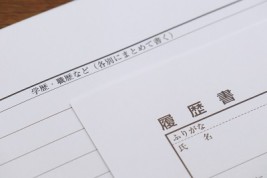
What should foreigners be careful of when looking for their first job in Japan? If you carry out your job search in line with the unique employment situation in Japan and the way Japanese companies operate, you will be able to make progress in your job search.In this article, we will explain the employment situation for foreigners in Japan, points to note when looking for your first job in Japan, points to note during job interviews, and recommended methods for finding work. If you are looking for a job that is easy to work in Japan, please use the IT industry global company recruitment agency "G Talent".Let's learn about the employment and recruitment situation in JapanFirst, let's start by finding out about the employment and recruitment situation in Japan. If you know about the Japanese employment market and recruitment, it will be easier to deal with.There is high demand for foreign workersJapan's population is aging, and the shortage of workers is becoming more serious. For this reason, there is high demand for foreign workers, and it is easy for foreigners to find work in Japan.Let's take a look at the situation regarding foreign employment in Japan, as reported by the Ministry of Health, Labour and Welfare. According to the “Summary of Reports on the Employment Status of Foreigners” (as of October 31, 2021) released by the Ministry of Health, Labour and Welfare, the number of foreign workers in Japan has been increasing as follows.As you can see from the graph above, the demand for foreign workers in Japan is increasing. Therefore, it can be predicted that the situation in which it is easy for foreigners to find work in Japan will continue in the future.The practice of recruiting new graduates en masse is commonLet's take a brief look at the employment situation in Japan. In Japan, people who are first employed after graduating from school are called “new graduates”, while those who change jobs after being employed are called “mid-career hires”. The practice of recruiting new graduates en masse is a custom unique to Japan.In Japan, the school year starts in April and ends in March. For this reason, new graduates usually start work in April, and many mid-career hires are also recruited in April when the school year changes.Reference: 新卒一括採用とは?日本特有の制度ができたきっかけやメリット、デメリット/MarkeTRUNKThe concept of lifetime employment is firmly establishedIn Japanese companies, it was common for new graduates to gain experience and stay with one company until retirement under the “lifetime employment system”. The “seniority system”, in which position and salary increase as the number of years worked increases, was firmly established, and it was said that quitting while young was a waste.However, as the birthrate declined and the population aged, the number of mid-career hires who could be an immediate asset to the company increased. At present, there is a chronic shortage of labor in Japanese companies, so it is relatively easy to be hired as a mid-career employee.Reference: 終身雇用は崩壊?実は約半数の企業が終身雇用。その是非と次の時代への打ち手とは/d's JOURNAL5 points to keep in mind for a foreigner is looking for a job in Japan for the first timeWhen a foreigner is looking for a job in Japan for the first time, there are 5 points to keep in mind.You need a work visa to work in JapanHigh Japanese language ability is often requiredYou need to understand Japanese customs and mannersDepending on the type of job, experience and skills are requiredMake sure you check the working conditions and workplace environment in advanceYou need a work visa to work in JapanIn order to work in Japan, you will need a work visa. If you do not have a work visa, you will need to apply for one at the Immigration Bureau. It takes time from application to issuance, so if you have a fixed date for starting work, you should apply as soon as possible.If you are a foreign student who has graduated from a Japanese school and are looking for a job in Japan, you will need to change your visa status. You will need to change your visa status to a work visa, as you will only have a “student” visa. The type of work visa you should apply for will depend on the nature of the work you will be doing, so please make sure you apply correctly.Reference: 転職したい/外国人雇用・就労VISAサポートセンターHigh Japanese language ability is often requiredWhen working in Japan, high Japanese language ability is often required. The level of Japanese language ability required by many companies is said to be JLPT N1-N2 level. You should improve your Japanese language ability by attending a Japanese conversation school or using distance learning.However, recently, some Japanese companies have started to make English the official language of the company. Depending on the company, they may not necessarily require Japanese language ability, so please check the job details.Reference: 外国人雇用の基本|採用時に確認したい日本語能力や成功事例をご紹介/みんなの採用部You need to understand Japanese customs and mannersYou need to understand the customs and manners of Japanese companies. Japan is a country that places importance on manners. Be sure to greet people and say thank you, and make sure to use phrases like “Otsukaresama desu(おつかれさまです)”.In addition, hierarchical relationships between superiors and subordinates, such as between bosses and senior employees, are highly valued, and frankness is not very popular. There are also trends unique to Japan, such as many people being willing to work overtime. It is a good idea to have some understanding of these unique Japanese customs and manners.Reference: 日本は異常?外国人が覚えておきたい日本のビジネスマナーとその考え方について[グローバル2]/FellowshipDepending on the type of job, experience and skills are requiredDepending on the type of job, experience and skills may be required. In particular, technical jobs place a strong emphasis on skills. IT-related jobs, etc. require programming skills and IT knowledge, etc., so it is advantageous to have some knowledge and skills.Reference: プログラミング系のおすすめ資格12選|資格の必要性や取得するメリットなども解説/生涯学習のユーキャンMake sure you check the working conditions and workplace environment in advanceBefore you start work, make sure you check the working conditions and workplace environment in advance. If the job information doesn't include detailed conditions, be careful.There may be cases where you don't get paid for travel expenses or have few days off. If you ask about these things in detail at the interview and don't get a clear answer, it's a sign that the company isn't being honest, so be careful.3 things to be careful of when a foreigner has their first job interview in JapanFrom here, we will explain the points to note when a foreigner has their first job interview in Japan.The format of the resume you submit is fixedYou must wear a recruitment suit for the interviewYou need to complete the reception 5 to 10 minutes before the interview timeThe format of the resume you submit is fixedThe format of the resume you submit to a company is more or less standardized throughout Japan. You can buy paper resumes at stationery stores, or download a format online. You will need as many resumes as the number of companies you are applying to, so handwritten resumes are not recommended. You can download them online, or use the resume you made when applying through a job-hunting website or agency.There are also rules for writing a resume, so please read the example provided with the format carefully before filling it in. Also, a photo is an important element in a resume as it conveys your appearance, so we recommend having a professional photo taken at a photo studio.Reference: How to write a Japanese resume “Shokumukeirekisyo”: The complete guide for foreign IT engineers/GitTapYou must wear a recruitment suit for the interview basicallyBasically, you should wear a recruitment suit for the interview. Recruitment suits for both men and women are black or dark blue.Men should avoid flashy ties and choose a simple pattern, and their shirts should be white. Women should wear white or light-colored blouses, simple stockings such as beige, low-heeled black or dark blue pumps, and natural makeup. For both men and women, make sure your hair is clean and tidy, and that your bangs or sideburns don't hang over your face. If you have long hair, make sure it's tied back.This is a custom unique to Japan, so you may think it's a hassle to prepare for. However, first impressions are very important, so make sure you have a recruitment suit ready. Just tell the sales assistant at the suit shop that you want a recruitment suit, and they will be able to help you.Reference: 転職活動はビジネススーツで!リクルートスーツとの違いも解説/ルートテックYou need to complete the reception process 5 to 10 minutes before the interview timeWhen you have an interview, you should complete the reception process 5 to 10 minutes before the interview time. Also, you should not arrive too early. It is important to introduce yourself at the reception desk 5 to 10 minutes before the interview time, saying “I am XX, who will be having an interview today”.5 recommended methods for foreigners looking for work in Japan for the first timeHere we introduce 5 recommended methods for foreigners looking for work in Japan for the first time.Use job sites and agencies for foreignersUse job sites and agencies that specialize in the type of job you wantConsult with the foreign employment service centerParticipate in company internshipsParticipate in joint company information sessions and seminarsUse job sites and agencies for foreignersIf you are a foreigner looking for a good job in Japan, we recommend that you use job sites and agencies that specialize in the type of job you are looking for. There are many jobs registered for foreigners, and you can also receive support that will be useful when you are looking for a job.We recommend the job-change agency "G Talent" for foreign IT engineers. As it provides specialized job-change support for foreign IT engineers, the chances of finding a good job are high. Another point is that they can also provide advice on employment issues that are unique to foreigners.If you want to use a job-search site, we recommend the global x IT job-search site "GitTap". It has a large number of IT jobs registered for foreigners, and you can search for good jobs from among the many jobs available.Use job sites and agencies that specialize in the type of job you wantThere are various types of job sites and agencies. Some specialize in specific types of jobs, such as sales, while others specialize in specific industries, such as the nursing care or IT industries. There are also types that specialize in specific age groups or income levels, such as those for people in their 20s or high-class positions. By using a job site or agency that suits you, you will be more likely to find a job that matches your desired conditions.Reference: 自分にぴったり合った転職サイトで転職活動を効率よく行おう!/イーキャリアFAConsult with the foreign employment service centerForeign Employment Service Centers are support facilities for foreigners located within Hello Work. If you are a foreigner with a residence status or a foreign student, you can browse employment information and receive employment advice. If you are worried about finding a job or changing jobs in Japan, please make use of this service.Reference: 日本で仕事を探している外国人必見!相談することができる5つの場所[グローバル2]/FellowshipParticipate in company internshipsIf you are a foreign student, you can also participate in a company internship. An internship is a short-term work experience at a company, and you can find out what kind of work you would like to do and whether it is right for you. Many companies are also actively implementing internships because they can work with the person they are considering hiring and assess their aptitude and personality.Reference: 留学生インターンシップ制度のご案内/東京外国人雇用サービスセンターParticipate in joint company information sessions and seminarsAlthough these are aimed at international students, it is also a good idea to use recruitment events aimed at international students. Joint company information sessions and seminars are sometimes held for specific industries, job types, or regions, so why not try attending the information session or seminar you are interested in? You can hear about many companies at once, so it is recommended that you participate in these events at the beginning of your job search to get information about as many companies as possible.Make sure you understand the important points and make your first job search in Japan a success!In this article, we have explained the employment situation for foreigners in Japan, important points to keep in mind when searching for your first job in Japan, important points to keep in mind during job interviews, and recommended job search methods. We hope you have found this article useful in understanding the important points to keep in mind when searching for a job in Japan and how to go about your job search.If you are a foreigner looking for a job as an IT engineer, we recommend G Talent, a job-placement agency for foreign IT engineers. This job-placement agency has a wealth of experience in supporting the recruitment of more than 200 companies and helping engineers from over 70 different nationalities find new jobs, so you can use it with peace of mind. There are plenty of IT jobs at companies where you can work in a fair environment regardless of your nationality, so you are sure to find a job that suits you. Let's start with a free registration first.

Articles in English

What should foreigners be careful of changing jobs for the second time in Japan?

Even if you are a foreigner, it is possible to change jobs for a second time in Japan. However, when changing jobs for a second time, you need to be careful about various things, such as visa status and other application procedures.In this article, we will explain the points that foreigners need to be careful about when changing jobs for a second time, the process of changing jobs for a second time, and the necessary procedures. For job hunting for a second job change, we recommend the global company-focused job change agency “G Talent”.Is it possible for foreigners to change jobs for a second time in Japan?It is possible for foreigners to change jobs for a second time in Japan. Although many people may think that lifetime employment and seniority-based promotion are common in Japan, in recent years, there has been an increase in the number of people changing jobs for a second time or more. The job-changing market is active and the number of people changing jobs is increasing, and because there is a continuing shortage of manpower in Japan, foreign labor is needed.In fact, it is possible to use your foreign language skills and strong communication abilities to your advantage when looking for a new job. Let's understand the flow of the job-hunting process in Japan and the way companies think, and proceed with your job-hunting activities to your advantage.Reference: 日本で転職したい外国人が知っておくべき日本の転職活動の流れと注意点[グローバル2]/FellowshipSelling points by age that foreigners should be aware of when changing jobs for the second timeWhen foreigners change jobs in Japan, the points that appeal to employers will differ depending on your age.For 20s: Youth and flexibility are your weaponsIf you are changing jobs for the second time in your 20s, youth and flexibility are your weapons. Being young makes it easier to adapt to the workplace, and being flexible means that you can be expected to follow the instructions of your superiors and senior employees. Companies need young talent who can be trained and quickly adapt to the workplace. For this reason, if you are in your 20s, you will be more likely to be hired if you can use your youth and flexibility as a weapon.Reference: 20代は若さを武器にチャレンジ。PRフリーランスとして幅広く活躍する大鋸佳輝/U-29For 30s: Skills and experience are your weaponsWhen you reach your 30s, your skills and experience become important. Rather than being trained from scratch like you were in your 20s, you are expected to be able to make an immediate impact in the workplace. For this reason, you should highlight the skills and work experience you have gained from your past experiences. Even if you don't have any skills or experience that you can directly highlight, you can still highlight your communication skills, leadership experience, language skills, etc.Reference: 転職に求められるスキルとキャリア|年代別に解説/LHH転職エージェント6 points to keep in mind for changing jobs for the second time in JapanThe 6 points to keep in mind when changing jobs for the second time in Japan are as follows.Continue working at your current job while looking for a new jobChoose your next job carefullyA short job-changing span is likely to be a disadvantageA long period of unemployment is likely to be a disadvantageJapanese language skills are often required by Japanese companiesCommunicate your reasons for leaving in a positive wayContinue working at your current job while looking for a new jobIf you quit your job, your income will stop, so you will feel a sense of urgency to find a new job quickly. As a result, you may end up choosing a job with poor conditions, and you will often not be able to make a good career change.For this reason, we recommend that you basically do not quit your current job, but instead look for a job with good conditions while maintaining a relaxed state of mind.Reference: 働きながら転職活動するのは無理?メリット・デメリットや成功のコツを紹介/ハタラクティブChoose your new job carefullyChoose your next job carefully. If you change jobs too easily and the working conditions or relationships with the people at your new job don't suit you, you may end up changing jobs again soon after. If you change jobs too many times, you may be seen as someone who can't last long in a job. Carefully consider things like job content, salary level, and commuting time, and choose a job that suits you.Reference: 転職回数が多いと不利になる?転職は何回までOKなのか解説/コエテコキャリアA short job-hopping period is likely to be a disadvantageIf you change jobs repeatedly over a short period of time, this will be obvious from your resume. When companies see a resume like this, they tend to be wary that there is something wrong with you that prevents you from staying in a job for long periods of time. Also, repeatedly changing jobs has the disadvantage that you won't be able to gain experience or acquire skills, so choose a job that suits you carefully.Reference: 1年未満の転職は不利になる?退職したほうがいい人の特徴・転職を成功させるコツを解説/R-StoneA long period of unemployment is likely to be a disadvantageIf you have a long period of time without working, there is a possibility that companies will think that there is something wrong with you and avoid you, which can be a disadvantage. For this reason, try to avoid having long periods of time without working.If you quit your job before starting your job search, you will have a gap in your employment history. In some cases, it is not a problem to have a gap in your employment history, but it is not always the case, so we recommend that you try to avoid quitting your job before starting your job search.Reference: 転職活動において「無職期間」は不利なのか?採用担当者の見解を解説。/ミライのお仕事Japanese language skills are often required in Japanese companiesJapanese companies often require Japanese language skills for work. For this reason, you will need to brush up on your Japanese reading, writing and conversational skills.It is also a good idea to get a certain level of score in the Japanese Language Proficiency Test (JLPT), the BJT Business Japanese Proficiency Test, the Standard Business Japanese Test, etc. Attending a Japanese language school is also a recommended way to improve your Japanese language skills.Reference: 日本語能力試験(JLPT)とBJTビジネス日本語能力テスト/外国人の日本語レベルのチェックの仕方/MTICCommunicate your reasons for leaving in a positive wayReasons for leaving are often asked about in job interviews, but even if your reasons are negative, it is recommended that you communicate them in a positive way. For example, if your salary was too low, you could say that you wanted to increase your salary, or if your working conditions were too bad, such as not being able to take holidays, you could say that you wanted to change the way you worked.Also, if you changed jobs because of poor human relations, it is better not to say so directly. Even if you do say something, express it positively, such as by saying that you wanted to change to a workplace where communication was good and it was easy to express your opinions.Reference: 転職面接で「退職理由」をポジティブに言い換えるには?/JAC RecruitmentThe process of changing jobs for a foreigner in Japan for the second timeThe process of changing jobs for a foreigner in Japan for the second time is as followsClarify your reasons for changing jobs and make a list of your desired conditionsFind a potential new employer that matches your desired conditionsApply to the potential new employer and go through the application process and interviewsOnce you have received a job offer, inform your current employer of your intention to resignComplete the handover process at your current employer and resignStart working at your new employerThe first step, “clarifying your reasons for changing jobs”, is surprisingly important. If you don't have a clear idea of your objectives, you won't be able to decide on your desired conditions or find a new job. By first clearly deciding on your reasons for changing jobs, you will be able to make your job-hunting activities more concrete.Reference: 転職の目的を明確化する理由は?メリットや起こり得るリスクを解説/R-StoneIf you are a foreigner changing jobs for the second time in Japan, here are some recommended ways to find a jobMake use of job-hunting websites and agencies for foreignersMake use of job-hunting websites and agencies specializing in the type of job you wantMake use of job-hunting websites and agencies for foreignersMake use of job-hunting websites and agencies for foreigners. If you are a foreigner looking for a new job, websites and agencies specializing in helping foreigners find new jobs are perfect for you. They have experience in helping foreigners find new jobs, and can provide support for foreigners, so they are very useful when looking for a new job.The most recommended is the job-placement agency for foreign IT engineers, “G Talent”. It has a wealth of experience in helping foreigners find new jobs, and it also provides support for foreigners looking for new jobs. It has a wealth of jobs for foreigners, so you are sure to find the perfect job.Make use of job-hunting websites and agencies that specialize in the type of job you wantThere are various types of job hunting websites and job hunting agents. There are those that are specific to certain industries, such as IT or medical, those that are specific to certain job types, such as sales, and those that are compatible with all industries and job types, so you need to choose the right type for you.By using job hunting websites and agents that specialize in your desired job type or industry, you will find it easier to find a job that suits you.Necessary procedures for foreigners changing jobs for the second time in JapanThis page summarizes the procedures that foreigners need to follow when changing jobs for the second time in Japan. Please refer to it while checking each item so that you don't forget any of the procedures when changing jobs.Application for permission to change status of residenceNotification procedures for affiliated organizations, etc.Social insurance proceduresResident tax proceduresSubmission of withholding tax certificatesApplication for permission to change status of residenceIn order for a foreign national to work in Japan, they need to have a status of residence called a work visa. There are several types of status of residence, each with a defined scope of activities. When changing jobs, there is a possibility that the scope of activities will change, so it may be necessary to change the status of residence to one that matches the work at the new company.It is difficult for applicants to judge whether the type of residence status is appropriate for the new job, so it is recommended that you apply for a certificate of eligibility when changing jobs. If you apply, you can have your new job's work content and residence status checked. Although applying for a certificate of eligibility is not a mandatory procedure when changing jobs, it is a good idea to apply for one to prevent any discrepancies between your new job and your residence status.Reference: 転職したい/外国人雇用・就労VISAサポートセンターNotification procedures for affiliated organizations, etc.If you are a “long-term resident” whose status of residence is based on employment or marriage, you will need to complete notification procedures for affiliated organizations, etc. when changing jobs. Notify the Director-General of the Immigration Services Agency. You can also submit notifications online via the “Immigration Services Agency Electronic Notification System”.Reference: 所属機関等に関する届出・所属機関による届出Q&A/出入国在留管理庁Social insurance proceduresIf you were enrolled in your company's social insurance, this will change when you change jobs. Your company will generally handle the social insurance procedures, but there are some things you will need to do yourself, such as returning your health insurance card and receiving your pension book from your previous employer and submitting it to your new employer.If you do not join the social insurance system at your new company and instead join the National Pension Plan or National Health Insurance, you will need to take care of the necessary procedures yourself. Check with the local government office in your area.Reference: 【社労士監修】転職・退職時の保険証切り替え手続きとは?/リクルートダイレクトスカウトResident tax proceduresIf you had your resident tax deducted from your salary and paid, you will need to decide how you will pay your resident tax from the day you change jobs until the end of the year. Normally, you will continue to pay it at your new workplace, but you should consult with your previous workplace and your new workplace about what to do. If you have not decided on your next workplace by the end of the year, you will need to pay it yourself, so check with the local government office in your area.Reference: 転職後の住民税の手続きまとめ/Money ForwardSubmission of withholding tax certificatesWhen you resign from your previous workplace, you will receive a Certificate of Withholding Tax from your employer. You may need this certificate for various procedures, so be sure to receive it.Reference: 外国人社員の書類退職手続きとは?|人事向け/ミャンマー・ユニティーLet's make your second job change in Japan a success by keeping in mind the important points!In this article, we have explained the important points to keep in mind when changing jobs for the second time, the process of changing jobs for the second time for foreigners, and the necessary procedures. If you keep in mind the important points to make your job change activities more favorable, you will be able to find a good job.For those looking for IT engineer jobs for foreigners, we recommend G Talent, a job-placement agency for foreign IT engineers. This is a job-placement site for foreign engineers living in Japan, and it has helped over 200 companies recruit and placed over 70 nationalities of engineers. There are a wide range of IT jobs at companies where you can work in a fair environment regardless of your nationality, so you are sure to find a job that suits you. If you are interested, why not start with a free registration?

Articles in English

Explaining the advantages and disadvantages of working in Japan for foreigners!

The number of foreign workers in Japan has been increasing in recent years. If you are a foreigner working in Japan, you will probably enjoy a number of benefits, such as improved skills and peace of mind in your daily life. However, there are also disadvantages as well as advantages.In this article, we will explain the advantages and disadvantages of working in Japan for foreigners, as well as some points to keep in mind. If you are a foreigner thinking about working in Japan, please refer to this article. For foreigners who want to work in Japan, we recommend IT-related global recruitment agency “G Talent”.Many people feel that there are advantages to working in JapanIn recent years, Japan has been actively accepting foreign workers. One reason for this is the declining birthrate and aging population. As a result of the serious shortage of human resources caused by the declining birthrate and aging population, there is a movement to utilize human resources from overseas.Another factor is the increasing globalization of various companies. At the same time as Japan is actively hiring foreign workers, the number of foreigners who want to work in Japan is also increasing. Although the number of foreign workers in Japan has decreased slightly due to the spread of the new coronavirus, the number of people working in Japan has been increasing in recent years due to the various benefits of working in Japan.Reference: 外国人労働者が増加している背景は?メリットとデメリットを4つずつ紹介!/夢真Advantages of working in Japan for foreignersThe main advantages of working in Japan for foreigners are as follows.High demand for people who can speak EnglishEmployment is stableYou can learn advanced skills and servicesThere is a generous insurance systemCommuting allowances are providedYou can receive careful employee trainingThe area is safe and you can live with peace of mindHigh convenienceNo worries about foodHigh demand for people who can speak EnglishIn Japan, there is a tendency for people who can speak English to be in demand. If you are not confident in your Japanese, you may have some concerns about working in Japan.However, if you can speak English instead of Japanese, there is a possibility that you can make use of that skill in Japan. Specific jobs where English can be put to use include sales to foreigners and teaching at English conversation schools. If you are a native English speaker or have a good command of English, you will find it easier to find a job even if you do not have a high level of Japanese.Reference: 外国人が日本で働くメリットと押さえておきたい就職時のポイント[グローバル2]/Fellow shipEmployment is stableIn Japan, it is difficult to dismiss an employee without a justifiable reason, so one of the benefits is that you are almost never fired unless you commit a major rule violation. Another characteristic of Japan is that there is a strong tendency to “build up your career within the same company”.In Europe and America, there are many people who work by changing jobs repeatedly to improve their career. However, in Japan, people who steadily work their way up in one company tend to be more highly regarded. If you continue to work hard at the same company, not only is there less risk of being fired, but the possibility of being promoted and getting a good position will also increase.Reference: 外国人労働者が感じる日本で働く6つのメリット/IZANAUYou can learn advanced skills and servicesJapanese technology and services, such as the high quality of customer service, are often praised around the world. A typical example is the fact that in Japan, whether you buy expensive or cheap goods, you will receive the same level of courteous service. This kind of service is rare worldwide, and it is a culture unique to Japan.By learning about Japan's advanced services and technology, you can expect to make great improvements in your skills. Improving your skills will also lead to opening up further possibilities in your future work.Reference: 「世界よ、これが日本のサービスだ」外国人が日本に来て衝撃を受けたおもてなしとは/LIVE JAPANThere is a generous insurance systemJapan has a generous insurance system that provides a great sense of security in everyday life, such as health insurance. The feature of this system is that by paying a certain amount, foreigners can also join the health insurance system in the same way as Japanese workers. If you are enrolled in health insurance, you can reduce the medical expenses you have to pay yourself if you suffer a serious injury or illness.Reference: 外国人に対する国民健康保険の適用について/厚生労働省Commuting allowance is paidWhen working in a country other than Japan, most workers have to pay for the cost of getting from home to work. However, in Japan, the cost of commuting by train or bus is often paid for by the company.This is not just for full-time employees, but in many cases even part-time workers are covered by the company. The Japanese culture of providing a commuting allowance is one of the major benefits for workers.Reference: 日本では当たり前の通勤手当 英国で働き始めた女性が陥った落とし穴とは/Hint-PotYou can receive careful employee trainingMany Japanese companies provide thorough training for new employees, including employee training and OJT. OJT is a method of training in which inexperienced employees learn how to do their jobs by experiencing actual work. During training and OJT, your superiors will provide you with careful guidance, so you can steadily acquire knowledge and experience.The area is safe and you can live with peace of mindJapan is considered to be a country with good public safety compared to many other countries in the world. One of the reasons for this is that guns are not allowed to be owned. Because the citizens do not have guns, they are rarely involved in gun-related crimes.Not only gun-related incidents, but the overall incidence of incidents such as murders and terrorism is also low. Because the possibility of being involved in an incident is low, you can live without anxiety. When you are working, the quality of the company is important, but the ease of living in the country itself is also a point to note. If you are in Japan, which is a country where it is easy to live, you can work with peace of mind every day.Reference: 日本の治安は良い!世界でも10番目に治安の良い国とされている!/ほけんROOMHigh convenienceThe following are some of the things that make Japan so convenient.There are convenience stores and restaurants that are open 24 hours a dayThere are timetables for trains and busesTrains and buses arrive at the scheduled timeAlthough some countries also have convenience stores, they are rarely open 24 hours a day. Also, in some countries, detailed timetables for trains and buses are not available. Even if timetables are available, the reality is that trains and buses often do not arrive on time.In Japan, many convenience stores are open 24 hours a day. Also, detailed timetables are available for trains and buses. Whether you are commuting to work or just going about your daily life, Japan is a country where it is easy to live.Reference: 日本って便利だなと思ったこと/マイナビニュースNo worries about foodIn Japan, there are all kinds of places to eat, from high-end restaurants to budget eateries. You can eat a meal for around 500 yen, and the safety of the food is guaranteed to a certain extent, so you can live your life without worry.Another characteristic of Japan is the large number of chain stores that can be found all over the country. No matter where you are, you can always find a familiar store nearby. Many of the chain restaurants have reasonable prices, so no matter where you work in Japan, you will be able to eat familiar meals at a low price.Reference: 日本の飲食店がなぜこんなにも安いのかを知ったら、手放しで喜べる?/noteDisadvantages and points to note for foreigners working in JapanWhen foreigners work in Japan, they need to be aware of the following points.It is difficult to obtain a visa or residence statusThere are many places where only Japanese is spokenThere are cases where you won't get a fair evaluation of your resultsThere are cases where your income may decreaseIt is difficult to obtain a visa or residence statusIf you are a foreigner working in Japan, you will need to obtain a work visa. However, work visas have strict conditions for obtaining them, such as “having a long work history” or “having received advanced education”. Therefore, it is not easy to obtain a visa unless you are a person with experience and knowledge.Reference: なぜ日本での就労ビザ取得は難しいの!? 自社にとって適切な外国人材を雇用するために知っておきたいこと/Guidable jobsThere are many places where only Japanese is spokenBecause there are not many people in Japan who can speak English, when you go to places like restaurants or supermarkets, Japanese is often the only language spoken. If you are a foreigner who is not good at Japanese, you may have a hard time using these facilities.Reference: 日本人はどうして英語が苦手なの?/メトロノワThere are cases where you won't get a fair evaluation of your resultsAs globalization progresses, the treatment of foreign workers is becoming better. However, there are still companies that treat foreign workers in a discriminatory way. Even if you achieve good results at work, there is still a possibility that you won't get a fair evaluation because you are a foreigner.In particular, some companies think of foreign workers as “people who can be made to work in poor working conditions for low pay”. If you change jobs to a company with such a low quality, it will be difficult to get a fair evaluation, so you must choose your company carefully.Reference: 外国人労働者を受け入れたい!雇用のメリット・デメリットや現在の問題点などを解説/外国人採用サポネットThere are cases where your income may decrease Even now, there are cases where some Japanese companies view foreign workers as “cheap labor”. Naturally, foreign workers are also required to strictly observe the minimum wage, just like Japanese workers. Even so, there are cases where income is reduced due to old-fashioned stereotypes, so you must be careful.Reference: 外国人労働者の賃金 現状と課題、日本人との違いなどを丁寧に解説!/外国人雇用相談室How can you get the most out of working in Japan as a foreigner?To make your time in Japan as comfortable as possible, make sure you keep the following points in mind.Improve your Japanese language skillsUse an agency that specializes in helping foreigners find work or change jobsAcquire qualifications as necessaryImprove your Japanese language skillsImproving your Japanese language skills will make it easier to interact with Japanese employees and will help you to get on with your work more smoothly. It is also important to note that people who can speak both Japanese and English are likely to be in high demand. For example, there are jobs that can only be done because you can handle two languages, such as interpreting and translating. By improving your Japanese language skills, you will also be able to broaden your job options.Reference: 日本でキャリアを築きたい外国人必見!ビジネス日本語の重要性を解説/TENJeeUse an agency that specializes in helping foreigners find work or change jobsIt is not possible to say that there are no companies that treat foreigners coldly. Therefore, by using a high-quality agency that specializes in helping foreigners find work or change jobs, it will be easier to find a good company that treats foreign workers in the same way as Japanese workers.Acquire qualifications as necessaryIn Japan, there are also companies that make the acquisition of qualifications a prerequisite for joining the company. Acquiring qualifications will broaden the range of companies you can choose from and make it easier to work at high-quality companies. Furthermore, in some cases, acquiring certain qualifications can also help you acquire a residence status. In order to work at a Japanese company with peace of mind, please consider acquiring qualifications in a field that is close to the type of work you want to do.Reference:◆Requirements for a work visa◆ / Work Visa.comFind out the advantages and disadvantages of working in Japan as a foreigner and find a job!Japan is a country with good public safety and high convenience, so you can work here with peace of mind. Employment is stable, so there is almost no risk of being suddenly laid off. To avoid working for a malicious company that discriminates against foreigners, we recommend using an agency that specializes in helping foreigners find jobs or change jobs when choosing a company.If you are looking for a job that is easy to work in Japan, please use the job-change agent “G Talent”, which specializes in global environment engineering companies. We have supported the job-change of engineers from over 70 nationalities, and have a wealth of experience in the employment and job-change of foreign engineers. If you want to work in Japan, please check it out.

Articles in English

List of jobs in Japan where you can work in a global environment!

Some people who want to work in a global environment may be aiming to find employment or change jobs at a foreign-affiliated company. Even at Japanese companies, if you have a job that involves dealing with people from overseas, you can work in a global environment. If you want to succeed in finding employment or changing jobs, you should look at Japanese companies as well as foreign companies.In this article, we will pick out some recommended jobs that allow you to work in a global environment in Japan. If you are looking for a job in a global environment that suits you, we recommend “G Talent”, a job-placement agency that specializes in global companies.List of recommended jobs that allow you to work in a global environment in JapanThere are many companies and jobs in Japan that are becoming increasingly globalized. The following is a list of jobs that allow you to work in a global environment in Japan.IT engineerOverseas salesTrade administrationConsultantInterpreter/TranslatorLanguage instructorChildcare workerInformation staffTour guideBuyerJournalistCabin attendantPilotAir traffic controllerDiplomatInternational civil servantInternational lawyerUnited Nations staffWe will explain the job content, how to become one, necessary qualifications, annual income, etc. in detail for these occupations.IT engineerThe term “IT engineer” is a general term for IT technicians, and is divided into “system engineers”, “programmers”, “server engineers” and “network engineers”. You do not need any special qualifications to become an IT engineer, but you will probably need to study the basics of IT at a university's information science department, an IT-related vocational school, or by self-study.The need for IT engineers is increasing, and this is a job category that is in high demand. There are also companies that will hire people with no experience, but you will probably need to continue studying even after you get a job.Average annual salary: 6.5 to 7.5 million yenReference: 【英語を活かせる仕事35種】選び方やレベル、想定年収まで徹底解説/神田外語学院Overseas salesThis is a job that involves communicating with overseas customers and sales agents. You will need to work for a company such as a manufacturer, and you will probably be required to have a high level of business English, with a TOEIC score of around 700-800. In recent years, not only large companies but also small and medium-sized companies have been expanding overseas, so it is thought that demand for this type of job will continue to increase in the future.Average annual salary: 4 to 5 million yenReference: 海外営業の給料、年収/キャリアガーデンTrade administrationYou will be involved in import and export-related work such as creating and checking trade documents, and managing shipping and delivery. As the majority of the documents you handle will be in English, you will need to have a sufficient level of English to be able to carry out your work without any problems.To become a trade clerk, you will need to find employment with a trading company or manufacturer, but you do not need any special qualifications. As trade accounts for a large proportion of the economy in Japan, demand for this type of work is expected to remain high in the future.Average annual salary: 4 to 6 million yenReference: 貿易事務の平均年収は?未経験から始めても年収アップできる?/キャリチェンConsultantConsultants support the improvement and growth of corporate performance. While no special qualifications are required, English language skills are required when dealing with Japanese companies aiming to expand globally.Due to the increasing demand for consulting services, the number of people being hired is on the rise, and there are many jobs available for those with no experience. The most common way to become a consultant is to work for a consulting company and improve your skills.Average annual salary: 5 to 10 million yenReference: コンサルタントの仕事/キャリアガーデンInterpreting/TranslationInterpreting is the work of translating between two different languages and communicating the meaning of the translation in the language of the country in which it is being used. Translation is the work of translating foreign languages used in academic papers and video works, as well as Japanese. Some people register with interpreting agencies or temporary staffing agencies, while others work as freelancers. No special qualifications are required, but a high level of English ability is necessary. Due to the advance of globalization, demand is expected to continue to increase in the future.Average annual salary: 4 to 8 million yenReference: 翻訳家の給料や年収はどれくらい?/elanLanguage instructorThis is a job where you teach languages such as Japanese and English to students, teaching reading, writing and pronunciation at Japanese language schools and other schools. Unlike school teachers, there is no legal license for Japanese language teachers. As the need for these teachers increases with the times, the number of people aiming to become language instructors is also increasing.Average annual salary: 3 to 4.5 million yenReference: 日本語教師の給料・収入・年収は?キャリアアップの方法や実情について解説!/25 Brush up学びChildcare workerYou will work at an English nursery school, etc., and look after children before they start school. There are cases where only English is used, and cases where both Japanese and English are used, and it seems that the policy differs depending on the nursery school.In order to become an English-speaking nursery school teacher, you must pass the Nursery School English Proficiency Test administered by the Association for the English Proficiency Test for Nursery School Teachers, and a high level of English ability is required. Demand is increasing due to the growing focus on early childhood education for infants and young children.Average annual salary: 3.5 to 4.5 million yenReference: イングリッシュエキスパート保育士とは?平均給料と必要な資格も解説/ほいくらしInformation staffThis involves providing customer guidance and hospitality services at places such as airports and theaters. For example, the job of a ground staff member would include boarding procedures and boarding announcements for passengers. In order to become a ground staff member, you will need not only a good educational background and language skills, but also the ability to make quick and flexible decisions and provide good customer service.The most common way to get a job in this field is to work for an airline company or one of its affiliates, but the number of opportunities for ground staff members is decreasing due to factors such as the ability to purchase tickets on smartphones.Average annual salary: 2.5 to 4.5 million yenReference: グランドスタッフの仕事/キャリアガーデンTour guideThis job involves managing tour schedules and giving guidance to ensure that customers can travel comfortably. Tour guides for overseas travel need to carry out procedures at local airports and hotels, so they will probably need to have a TOEIC score of 600 or above.In addition to the fact that overseas tour guides may need to have qualifications depending on the country, in order to work as a foreign language guide in Japan, you must have “tour guide” qualifications and be registered with the prefectural governor. In addition to the method of finding employment at a travel agency, there are also many people who register with agencies that dispatch tour guides and work there, and demand is increasing due to globalization.Average annual salary: 3.5 to 4.5 million yenReference: ツアーガイドとは/スタンバイplusBuyerIn order to purchase products and negotiate, you will need to have a high level of English ability that allows you to communicate with the other party without an interpreter. There are no required qualifications or academic background, but you will need to have the ability to judge whether a product is likely to sell, and you will need to have the ability to see the future.For example, if you want to become a fashion buyer, the quickest way is to get some on-the-job experience by finding a job at a department store or clothing store. Due to the recession, consumer spending has declined, so demand is not increasing. However, there are some companies that are showing remarkable growth, so it is important to do some research on companies.Average annual salary: 5.5 to 6.5 million yenReference: バイヤーの仕事/キャリアガーデンJournalistYou will write articles based on interviews and presentations at press clubs. There are various fields in which you can work, such as newspaper journalism, television reporting, magazines, and the web, but in order to become a foreign correspondent, you will need to work in the international department of a newspaper or broadcasting station and work at a branch office overseas.No special qualifications such as national qualifications are required, but you will need to keep your antenna up at all times as the genres you handle are wide-ranging. Although the spread of the internet is expected to reduce demand for journalists, the number of people aiming to become journalists in search of a worthwhile career remains high.Average annual salary: 7 to 8 million yenReference: 記者の平均年収(平成27年)/年収ラボCabin attendantvIn charge of providing services to passengers and ensuring safety on board aircraft. Although it varies depending on the airline company, there are cases where height restrictions and high language ability are involved in the selection process, so it is a very competitive field. Although no special qualifications are required, you should have English skills of around 600 points or more on the TOEIC.Average annual salary: 4 to 5 million yenReference: キャビンアテンダント(CA)の年収・給料はいくら? JAL、ANAや外資系エアラインの平均年収も解説/キャリアガーデンPilotPilots fly aircraft and safely transport passengers and cargo to their destinations. In order to become a pilot, you must receive a skills certificate from the Minister of Land, Infrastructure, Transport and Tourism, and obtain qualifications such as “commercial pilot”, “private pilot” and “scheduled transport pilot” before finding employment at an airline company. This is also a job that requires a high level of English ability and skills.Average annual salary: 11 to 12 million yenReference: パイロットの必要な試験と資格は?/スタディサプリAir traffic controllerIn order to prevent collisions between aircraft, air traffic controllers give takeoff and landing instructions and guidance on flight paths to pilots. As you also have to converse with foreign pilots, a high level of language ability is essential. They are government employees, and in order to become an air traffic controller, you will aim to become an employee of the Ministry of Land, Infrastructure, Transport and Tourism. Demand will continue to increase in the future as the number of passengers increases.Average annual salary: 5 to 7 million yenReference: 【最新】航空管制官の給与・年収はいくら?福利厚生や手当について解説/アガルートアカデミートップDiplomatAs representatives of their own country, they are in charge of foreign exchange and negotiations. As diplomats are national public servants, they must take either the National Public Service Examination (for comprehensive and general positions) or the Foreign Ministry's Specialist Staff Recruitment Examination to become employees of the Foreign Ministry.As the world becomes more globalized, the need for diplomats to support the future of their country is increasing. This is also a job that allows you to work in various parts of the world, so it is suitable for those who want to work in a global environment.Average annual salary: approx. 7 million yenReference: 外務省専門職員(外交官)になるには?仕事内容・年収・試験科目・難易度を解説/アガルートアカデミートップInternational civil servantInternational civil servants are people who work for the benefit of the international community, transcending the framework of individual countries, in four types of international organizations: the United Nations, subordinate organizations established by the UN General Assembly, specialized agencies, and other international organizations.You can apply for the United Nations Young Professionals Program (YPP) or the JPO Dispatch Program, and receive an offer to become an international civil servant. No specific licenses or qualifications are required, but passing the exam is not easy. This is a job that requires highly specialized personnel.Average annual salary: 5 to 10 million yenReference: 国際関系の仕事の種類一覧(17選) グローバルに活躍できる職業とは?/キャリアガーデンInternational lawyerInternational lawyers handle cases not only in Japan but also overseas. They need to obtain qualifications as lawyers in other countries, and they also need to be proficient in various languages, including English and Chinese. In the modern era, when domestic companies are increasingly doing business with foreign companies, the need for international lawyers is increasing.There seems to be a big difference in annual income depending on the firm you work for.Average annual salary: 3 to 15 million yenReference: 国際弁護士とは?国際弁護士のなり方、メリットや年収について解説!/MS AgentUnited Nations staffYou will work at the United Nations or its subordinate organizations to solve various problems around the world. No specific qualifications are required, but you will need to work from a neutral standpoint and have a strong desire to solve problems.There are several ways to become a United Nations staff member, such as taking an exam or applying for an open position. Although there is demand, it is not easy to become a UN staff member because there are applicants from all over the world. The average annual salary varies depending on the country of assignment.Average annual salary: 5 to 20 million yenReference: 国連職員の給与・年収は?気になる初任給額や手当は支給されるのか解説/職業仕事の情報ポータルサイト JOBZUKAN(ジョブ図鑑)What kind of jobs can you do in a global environment in Japan?If you are looking to work in a global environment in Japan, choose one of the following job types.Working for a foreign-affiliated companyWorking for a Japanese global companyWorking for a Japanese company that makes use of language skillsWith these jobs, there is a high possibility that you can make use of your own skills and work across countries.Working for a foreign-affiliated companyIn addition to overseas transfers and business trips, there are also many cases where the official language of the company is English. Consider working for a foreign-affiliated company. There are three types of foreign-affiliated companies: “Japanese subsidiaries of overseas companies that are 100% funded by the overseas company”, “companies jointly funded by overseas and Japanese companies”, and “Japanese companies that have been acquired by foreign-affiliated companies”.If you work for a foreign-affiliated company, you will be able to use your language skills in your work, and your monthly salary will probably be higher than at a Japanese company.Reference: 外資系企業とは?基礎知識や日系企業との違いを解説/ROBERT WALTERSWorking for a Japanese global companyThere is also the option of working for a Japanese company that has advanced globalization. For example, there are many manufacturers of cars, food, electrical equipment, etc. that have expanded overseas as global companies. By working for a Japanese global company, you will have the chance to work stably overseas, and it will also lead to your personal growth.Reference: 【日本のグローバル企業ランキング】共通する特徴や就職するメリットを解説/就活の未来Working for a Japanese company that makes use of language skillsIf you work for a Japanese company, it is important to find a job where you can make use of your language skills. For example, if you work as a translator or interpreter, you can make use of your skills while in Japan. If you work as a nursery teacher at an English-language nursery school, you will be exposed to English on a daily basis. If you are thinking “I want to make use of my English skills” or “I want to work for a Japanese company”, please focus on whether you can make use of your language skills.There are plenty of jobs in Japan where you can work in a global environment!There are plenty of jobs in Japan where you can work in a global environment, not just for overseas companies. If you are considering changing jobs or finding a new job, you should also look at Japanese companies, as this will make it easier to find a job that suits your needs.If you want to work in a global environment in Japan, please use the recruitment agency “G Talent”, which is a gathering place for global companies. With over 200 companies using the service and a track record of supporting engineers from over 70 nationalities in their job searches, bilingual consultants with specialist knowledge of IT will propose jobs where you can make use of your skills in Japan. There are many job postings for up-and-coming ventures and global companies, so why not start by registering for free?

Articles in English

What happens if your visa in Japan expires?

If the visa of a foreigner living in Japan expires, ignoring or fleeing from a notice from the police or immigration bureau will result in severe punishment such as arrest or deportation. For this reason, it is important to renew your visa before it expires. However, even if your visa expires, there is a possibility that you can re-obtain it if you apply for re-issuance immediately. In this article, we will explain not only what happens if your visa expires in Japan, but also how to re-obtain it after it has expired.If you are looking for a job in Japan and would like to receive generous visa support, please use “G Talent”, a job change agency for foreign engineers.What happens if you stay in Japan after your visa / residence status has expired?If you stay in Japan after your visa (residence status) has expired, you will be considered to be an illegal overstayer. Illegal overstaying is a serious criminal offense, so if you cannot return to your home country before your visa expires, you will need to go through the renewal process.However, permanent residents do not have a fixed period of stay, so even if their period of stay expires, they will not be considered to be overstaying. However, permanent residents are also required to renew their residence cards, so be sure to do so before the deadline. If you forget to renew your card, you may be imprisoned for up to one year or fined up to 200,000 yen, so please be careful.Reference: 永住者で在留カードの期限が近い方へ/東京ビザ申請サポート[Caution] If you overstay your visa by even one day, you will be treated as an illegal overstayerIn Japan, if the period of stay on your visa expires even by one day, you will be considered to be staying in the country illegally and will be punished. Some people think that it will be okay to stay for a few days, but the Immigration Bureau and the police in Japan are constantly investigating the whereabouts of illegal residents, so remember that if you overstay your visa, you will definitely be caught and arrested.However, if you turn yourself in to the Immigration Bureau within two months of your visa expiring, there is a high chance that they will grant you permission to apply for a new visa.Reference: オーバーステイ・不法滞在についてよくある質問です/外国人在留資格ビザセンターPenalties for being arrested for overstaying or illegal stayIf it is discovered through an investigation by the police or immigration officials that you have overstayed in Japan with an expired visa, you will be arrested by the police and the following penalties will be imposed.<Penalties for being arrested for overstaying or illegal stay>DeportationImprisonment for up to 3 years or a fine of up to 3 million yenAlso, if you continue to work in Japan while your visa has expired, the following penalties will also be imposed on the employer who employs the foreign national in question, so please be careful.<Penalties for employers of foreign nationals who are overstaying their visas>Imprisonment for up to 3 years or a fine of up to 3 million yen If you are arrested, during the 10 to 20 day long detention period, you will be investigated in detail about when you came to Japan, your purpose for coming, where you worked while your visa was expired, where you lived, etc. After that, in many cases, you will be given a severe punishment called “deportation”, and after being detained at the Immigration Bureau, you will be deported to your country of residence. If you are deported, you will not be able to re-enter Japan for 5 years (10 years if it is your second deportation).Reference: ビザ(在留資格)の期限が切れていたときの対処方法/みなとまち行政書士事務所<Supplementary information> Cases where your visa has expired while you are overseasIf your Japanese visa expires while you are overseas, there is a high chance that you will be able to re-enter Japan with a re-entry permit if you do so within two months of the expiration date of your visa. You cannot apply to extend your period of stay at a Japanese embassy overseas, so if you realize that your visa has expired while you are overseas, you should return to Japan as soon as possible and apply for an extension at the Regional Immigration Bureau that has jurisdiction over your place of residence.However, if more than two months have passed since the expiration date of your visa, you will need to go through the process of applying for a Certificate of Eligibility for Residence Status and re-obtain your visa before you can re-enter Japan. The application process for a Certificate of Eligibility for Residence Status takes longer than a regular visa renewal, and you will need to submit a number of documents.<Documents required for applying for a Certificate of Eligibility for Residence Status (in the case of an intra-company transfer from Japan to overseas)>Application for Certificate of Eligibility (1 copy)1 passport-sized photo1 stamped self-addressed envelope (404 yen)Documents proving that you are enrolled at your “affiliated organization”In order to avoid complicated procedures, foreign nationals who are going overseas while staying in Japan should make sure they know the expiry date of their Japanese visa.Reference: If the period of stay has expired, can I re-acquire a visa? / Tsukuba World Administrative Scrivener's OfficeFlow of re-acquiring a work visaThere are 19 types of work visas in Japan, and the validity period for each is as follows.Type of work visaPersons eligible for visa acquisitionExpiration dateDiplomatic visaAmbassadors, ministers, consuls-general, members of delegations, etc. from foreign governments, and their family membersPeriod of time during which diplomatic activities are carried outOfficial visaEmployees of foreign government embassies and consulates, people dispatched on official business from international organizations, etc., and their family members5 years, 3 years, 1 year, 3 months, 30 days or 15 daysProfessor visaUniversity professors, associate professors, lecturers, assistants, etc.5 years, 3 years, 1 year, 3 months or 4 months (only for business management)Art visaComposers, lyricists, painters, sculptors, craftspeople, photographers, etc.Religious visaReligious workers such as priests, bishops, and missionariesPress visaNewspaper reporters, magazine reporters, editors, news photographers, announcers, etc.Business management visaCompany owners, managers, etc.Legal and accounting services visaAdministrative scriveners, lawyers, judicial scriveners, certified public accountants, tax accountants, labor and social security attorneys, etc.Medical visaDoctors, dentists, pharmacists, nurses, assistant nurses, public health nurses, midwives, dental hygienists, radiological technologists, physical therapists, occupational therapists, orthoptists, clinical engineers, physical therapists, prosthetists, etc.Research visaResearchers working for government agencies or companiesEducation visaLanguage instructors at elementary schools, junior high schools, high schools, etc.Nursing care visaCaregivers with qualifications as a certified care worker, etc.Engineer/Specialist in Humanities/International Services VisaEmployees temporarily transferred from a foreign parent company, subsidiary, grandchild company, or affiliate companyIntra-Company Transfer Visa外国の親会社や子会社、孫会社、関連会社にあたる事業所から一時的に派遣される転勤者5 years, 3 years, 1 year, 3 monthsTechnical VisaForeign chefs, precious metal craftsmen, pilots, architects/civil engineers with unique overseas skills, repair technicians for overseas products, animal trainers, sports instructors, sommeliers, etc.Entertainment VisaSingers, dancers, actors, fashion models, professional athletes, circus animal trainers, sports trainers, choreographers, directors, etc.  3 years, 1 year, 6 months, 3 months, 15 daysSpecified Skills Visa[Specified Skills 1]People who want to obtain work qualifications in 14 specific fields, such as nursing care, building cleaning, the materials industry, industrial machinery manufacturing, and electrical/electronic information-related industries[Specified Skills 2]People who are engaged in work that requires skilled labor in the construction and shipbuilding/marine engineering fields[Specified Skills 1]1 year, 6 months, 4 months[Specified Skills 2]3 years, 1 year, 6 monthsTechnical Intern Training VisaTechnical interns accepted from overseas subsidiaries, etc., or technical interns accepted through a management organization, etc.1 year, 6 monthsYou can check the validity period of your visa by looking at the seal on your passport or your resident card, so if you forget, check these documents. If you are unable to renew your visa within the validity period set when you obtained your work visa, please follow the flow below to re-apply for your visa.Reference: 就労や長期滞在を目的とする場合/外務省Flow for re-applying for a work visaThe flow for applying for a work visa is as follows.Contact the Immigration Bureau promptlyReport to the Immigration BureauContact the Immigration Bureau promptlyIf you realize that your visa has expired, you should promptly contact the Immigration Bureau that has jurisdiction over your place of residence. You can find the contact details for the Immigration Bureau by accessing the Immigration Bureau website and checking the details for your place of residence.When you contact the Immigration Bureau, explain that you have just realized that your visa has expired, and ask for instructions on what documents you need to submit and what you should do next. If you intend to work in Japan, be sure to tell the staff that you have no intention of leaving the country and that you want to continue working in Japan.If you do not tell them, they will think that you are there to appear for an “exit order”, which allows overstaying foreigners to return to their home country without being detained. If you are thought to be there for an exit order, you will be taken through the exit procedures and will not be able to enter Japan for the next year, so be careful.Reference: ビザの更新,期限が切れたら?!更新の申請の特例/弁護士法人あいち刑事事件総合法律事務所Report to the Immigration BureauWhen the relevant date and time comes, you must report to the Immigration Bureau that has jurisdiction over your place of residence. If possible, it is a good idea to have a Japanese colleague or spouse accompany you. When you report to the Immigration Bureau, you must submit the following documents. In addition to the documents you have on hand, there are also documents that need to be issued by the city office, so be sure to prepare them in advance.PassportCertificate of employmentExpired residence cardStatement of reasons for application (a written explanation of the reasons for forgetting to renew your visa, the circumstances, and your reflections)Most recent certificate of residence tax issued by the city officeMost recent certificate of residence tax payment issued by the city officeReference: 在特出頭の“必要書類”は?/外国人助太刀倶楽部[Supplementary information] There are cases where you cannot re-acquire a visaEven if you submit the necessary documents, there are cases where you may not be able to re-acquire a work visa if any of the following applyIf the work you are currently doing is outside the scope of your visa statusIf you have changed the content of your visa status without permissionIf you are working outside the scope of your visa statusIf you have a bad reputation (e.g. you have been punished by the police or you are involved in illegal employment)For smoothly re-acquiring a work visa, you should follow the rules of Japan so that you do not fall into any of the above categories.Reference: 就労ビザの更新で不許可になるケースと対処方法/TOMAコンサルタンツグループWhat you must not do when your visa in Japan expiresIf your visa expires in Japan, you must not do the following.Flee from the police or immigration officersFlee to the other countryNeglect to do anything about it even though you know your visa has expiredIf you flee or neglect to do anything about it even though you know your visa has expired, you will be subject to severe penalties such as deportation or arrest. If you notice that your visa has expired, you should follow the necessary procedures as outlined in the “Flow of Re-acquiring a Working Visa” section, as there is a possibility that your visa will be reissued if you contact the Immigration Bureau promptly.Reference: 違反行為 絶対にやってはいけない 10のポイント/立命館アジア太平洋大学Make sure you know the period of your visa in Japan and take care not to let it expireIf you are a foreigner coming to Japan to work, you will need to obtain the most suitable visa from the 19 types of work visas available, depending on the nature of your work. However, the period of stay for each type of work visa differs, so it is important to know how many years you can stay in Japan.If your visa expires before you can renew it, you can still get a new one if you contact your local immigration office as soon as possible. If you run away or leave it unattended, you will be subject to severe penalties such as arrest or deportation, so please be careful not to let it expire.If you are looking for work in Japan, we recommend using "G Talent", which also provides visa acquisition support. Career advisors who are familiar with working in Japan provide support, and visa-related consultations are also accepted.

Articles in English

[For foreigners] A complete guide to writing a resume for work in Japan!

A resume is an important document that not only provides basic information about yourself, but also allows you to appeal your personality, including your reasons for applying for the job and your skills. In this article, we will explain the points that foreign nationals should be aware of when creating a resume in order to work in Japan. If you are writing a resume for the first time, or if you want to know how to write a better resume, please refer to this article.If you are working in Japan for the first time, you will want to receive various kinds of support, not just for your resume but also for interviews and other things. Global IT company recruitment agency “G Talent” provides various kinds of support, including not only resumes but also interview preparation and visas.The minimum rules you should understand before actually writing your resumeIn Japan, there are detailed business manners for how to write and send a resume. Even if you are a foreigner, following Japanese manners will give you a good impression. From here, we will explain in detail how to write a resume in Japan.Absolutely follow the rules written in the company's application requirementsEach company may have its own specific rules for how to submit a resume and what format to use. Basically, it doesn't matter whether you handwrite or use a PC to create your resume, but if the company has specific requirements, be sure to follow them. Also, be careful not to miss any of the details written in the application requirements.Reference: 就活は学校指定の履歴書を使わないとダメ?応募書類のマナーを解説/career ticketThere are two difference rules for creating a resume by hand or on a PC.Rules for creating a resume by handWhen you are creating your resume by hand, the use of pencils, mechanical pencils, and erasable ballpoint pens is not allowed. Use a black or blue pen or ballpoint pen to fill it in.Also, if you make a mistake, don't use correction fluid or correction tape - even if it's a bit of a hassle, rewrite it from the beginning. Some hiring managers get a picture of the person from the handwritten resume, so it's a good idea to write it carefully, being careful not to make any mistakes or omissions.Reference: 履歴書の書き方マニュアル完全版! 履歴書の見本(サンプル)・作成方法/マイナビ転職Rules for creating a resume on a PCIf you are creating your resume on a PC, it is a good idea to download a Japanese resume format or template from the internet. If you are creating your own original resume, you should be careful as the person in charge of hiring may think you are deleting items that are your “weak points”. Even if you are not using a resume format or template, it is a good idea to create your resume in a way that resembles the resumes commonly used in Japan.Reference: 【6種類】履歴書テンプレートのダウンロード(Word、Excel、PDF)/マイナビ転職Use a resume format that allows you to highlight your strengthsWe recommend using a resume format that allows you to highlight your strengths. For example, if you have a short work history, you should choose a resume with fewer sections for education and work experience, while if you want to highlight your skills, you should choose one with more sections for qualifications and skills. However, if the application requirements specify the format of the resume, be sure to follow them. If you submit a resume that ignores the specifications, it will give the impression that you are unable to follow the rules.Reference: 履歴書テンプレートの選び方とダウンロード(Word形式・Excel形式・PDF形式)/リクルートエージェントKeep a record of the content of the CVs you send to each companyAs the content you include in your CV will differ depending on the company you are applying to, if you are applying to multiple companies, keep a record of the content of the CVs you send to each company. At interviews, you will be asked about the content of your CV, so if you forget what you wrote, there is a possibility that inconsistencies will arise. If it is a handwritten CV, make a copy or take a photo of it, and if you created it on a PC, be sure to save it.Reference: 企業に提出した履歴書や職務経歴書って返却してもらえる?/Geekly MediaDon't use the same old resume over and over againEven if you are applying to multiple companies, you should create a new resume for each company. An old resume or one with bland content will not catch the attention of the hiring manager. To create a resume that the hiring manager will find attractive, you need to understand the type of person the company is looking for and highlight your career history in a way that will appeal to them.Be careful of mistakes in JapaneseIt can be difficult to write a resume in a foreign language you are not used to, but if you are going to work in Japan, you need to be careful about making mistakes in Japanese. In some cases, just changing one character can change the meaning, so after you have filled in your resume, go through it again to check for mistakes.Also, refrain from using abbreviations that are common in everyday life. If there are any words you don't understand, be sure to look them up before filling them in.Reference: 履歴書の言葉遣いは重要!就活で注意すべき敬語の使い方を徹底解説!/ハタラクティブEliminate mistakes by reviewing before sendingIf there are any mistakes in the content of your resume, the way you send it, or the specified format, it will give the impression to the person in charge of hiring that you are likely to make mistakes in your work too. After you have finished preparing your resume, be sure to review it to make sure there are no mistakes. The points you should review before sending are summarized at the end of this article, so please make use of them.Detailed explanations for each section! How to write a resumeBefore you start writing your resume, let's first go over the “rules of writing” that you should know. The two most important rules are as follows.If you make a mistake, rewrite it on a new resumeChange your motivation for applying and selling points for each companyWe will explain each of these in detail. In order to pass the initial screening process, make sure to write your resume carefully.Basic InformationDateThe date on your resume should be the date you submit your resume, not the date you wrote it. If you are sending it by post, write the date you post it. Also, make sure that the dates in your resume are either in the Japanese or Western calendar.NameWrite your name in the section marked 'Name', and write how to read your name in the section marked 'Furigana (or Furigana)'. If it says 'Furigana', write it in hiragana, and if it says 'Furigana', write it in katakana.Date of birth / AgeEnter your date of birth in accordance with the Japanese or Western calendar you have used to write the date. Enter your age at the time you submit or post your resume.Address / Contact detailsEnter your address in full, including the postal code, prefecture, house number, building name and room number. Also make sure to enter the furigana (phonetic reading) of your address correctly. If your contact details are the same as your address, write “same as above”, and if you have a different contact address, write it in full.Telephone number and email addressIf you don't have a landline at home, it's fine to use only your mobile phone number. For your email address, write your PC email address, not your mobile phone address. Make sure you get this right, as the company will be contacting you using the information you provide here.PhotoPrepare a close-up photo of your face taken within the last three months, wearing a black or dark blue suit and no hat. Cut the photo to 3 cm wide by 4 cm tall and paste it on the resume. It is common to take a photo for your resume at a studio, or use a photo booth at a station or convenience store.Reference: 基本情報欄の正しい書き方/dodaEducation and Work Experience SectionsBe honest and accurate when writing your education and work experience on your resume.EducationTo make a clear distinction between your education and work experience, write “Education” in the center of the first line, and in principle, start from the education level immediately before your final education level. The final education level is not the “last school you graduated from”, but the “highest educational institution”. In other words, if you went to a vocational school after graduating from university, your final academic background would be “university”.Also, be sure to write the full name of the school, and include the faculty, department and course of study. For the dates of entry and graduation, use either the Japanese or Western calendar, whichever you have been using so far. If you have dropped out of school, write “dropped out”, and if you are still enrolled, write “expected to graduate”.Work ExperienceLeave a line under your educational history and write “Work Experience” in the center. Then, in order, write the companies you have worked for, including the year you joined, the company name, the type of business, the number of employees, a brief description of your job, and the year you left and the reason for leaving. If you are leaving for personal reasons, write “Resigning for personal reasons”, and if you have been dismissed, write “Resigning for company reasons”. If you are currently looking for a new job while still employed, write “To date”, and finish off with “End”.Reference: 履歴書の学歴・職歴欄の正しい記入法/dodaLicenses and qualifications sectionBe sure to write the official name in the Licenses and Qualifications section. Also, make sure to write the year you obtained the qualification correctly, and check the expiry date of the qualification. If you have any licenses or qualifications that you can make use of at the company you are applying to, write them at the top of the list, and if you do not have any licenses or qualifications, write “None in particular”.Reference: 履歴書の免許・資格欄の正しい書き方/dodaMotivation for Applying SectionThe section in your resume where you can most effectively appeal to a company is the 'motivation for applying' section. Rather than writing something bland that could be used for any company, do some research on the company you are applying to and write something specific about how you can contribute to the company, while also highlighting your strengths.[Example sentence]I have gained experience in consistent system design, from infrastructure to applications. I have applied for this position because I believe that I can help your company, which is expanding its business globally, by making use of the know-how I have cultivated up to now. As I can speak both English and Japanese, I would like to drive your company's business forward so that it can further accelerate its global expansion.[Tips]貴社(your company): used for writing in things like resumes and emails御社(your company): used for speaking in things like interviews and business meetingsIf you can use the correct form for each situation, you will make a good impression on the person in charge of hiring.Reference: 志望動機・志望理由の書き方【82職種の例文付き】/dodaHobbies and Special Skills SectionHobbies and special skills can sometimes become topics of conversation with the person in charge of hiring. For this reason, avoid writing “none in particular” or leaving the section blank. Also, avoid writing about hobbies or special skills that could give a negative impression.[Example]My hobby is futsal. I enjoy playing in matches while taking care to communicate in Japanese with my Japanese friends on the team. My special skill is DIY. I like to put things together, so I use my hands and my head to make all sorts of things. This assembling and making process is also often used in system development, so it is useful.If your hobbies and special skills are related to your work, they will help you to make a good impression. Try to include specific details.Reference: 履歴書の趣味・特技欄の正しい書き方と内容/dodaPersonal Preferences, Commuting, Spouse SectionPersonal PreferencesThe job you are hoping to get should be written in the Personal Preferences section. As a general rule, the place of work, salary, and benefits should be written in the Personal Preferences section as “I will follow your company's rules”.CommutingThe commuting time to the company and the nearest station to your home should be written. As a general rule, the commuting time should be within 90 minutes. If you live far away or are planning to move to Japan, you should also state that you will not have any problems with commuting or moving after joining the company.Spouse/Duty to Support Spouse SectionIf you are married, circle the “Yes” box in the Spouse section. Depending on your situation, you should also circle “Yes/No” for the “Duty to Support Spouse” box. If you are single, circle “No” for both boxes.Checkpoints before submitting your resumeOnce you have finished writing everything, go back over your resume and carefully check the following points.Are there any omissions or blank spaces?Have you attached a photo that was taken within the last three months?Are there any spelling or grammatical errors?Have you written furigana for your name and address?Are the years (Japanese and Western) on your resume consistent?If you find any mistakes or errors, it will take time, but rewrite your resume.Reference: 履歴書に「空欄」があっても大丈夫?/リクルートエージェントThe way to write a resume in Japan is unique! Make sure you understand it and write it carefullyThere are many foreigners who are put off by the detailed rules for writing a resume that are unique to Japan. However, even if you are a foreigner, if you can submit a resume that follows the rules properly, you will make a good impression on the company's hiring manager. Let's learn how to write a resume and be able to create a resume that will interest many companies.If you are thinking about changing jobs or finding a new job in Japan, we recommend using "G Talent". This is a job-hunting platform for foreign engineers, and 40% of the jobs listed on the site offer an annual salary of 8 million yen or more.If you want to earn a stable income in Japan or make use of your career experience in Japan, this is a service that is highly worthwhile. If you are interested, register for free and receive job offers from companies.

Articles in English

Explanation of the visas required for IT engineers to work in Japan

If you are planning to stay abroad for a long period of time or work overseas, you will probably find the visa application process complicated if you are not familiar with it. If you make any mistakes, you could end up overstaying or working illegally, which could have negative consequences for you.In this article, we will explain the visas that IT engineers need to work in Japan. If you are thinking of finding a job in Japan or need to change your visa to find a job, please refer to this article. Global IT company recruitment agency “G Talent” can provide you with not only job hunting support but also visa support.What is the difference between a visa and a status of residence?Although some companies use the terms visa and status of residence interchangeably, they are technically different. If you mix them up, it could be to your disadvantage when looking for a job, so it's important to understand the difference between them.In this section, we will explain the difference between a visa and a status of residence. Let's check again by comparing it with the visa or status of residence you have.What is a visa?A visa is a “document that permits entry into Japan” issued by a Japanese embassy or consulate abroad. It is issued after the applicant has submitted the necessary documents to a Japanese embassy or consulate abroad and, as a result of an examination, has been judged to be a foreign national whose passport is valid and who poses no obstacle to entry into Japan.Reference: 出入国在留管理庁/きっずるーむ法務省What is a status of residence?A status of residence is a qualification that foreign nationals who intend to enter Japan must have in order to prove that they have no problems with the activities they plan to carry out in Japan and that they meet the conditions for doing so. The Immigration Bureau of the Ministry of Justice in Japan manages this, and there are currently 38 types of status of residence. A “residence card” is a card that proves your status of residence.In addition, some companies refer to the status of residence as a “work visa”. The term “work visa” is a common name for the status of residence, and it is safe to assume that the two refer to the same thing.Reference: 在留資格とは/東京入管・永住、帰化申請サポート室Work visas for foreign IT engineers to work in JapanIn order to stay in Japan legally, you need to obtain a “residence qualification (work visa)” issued by Japan. The visa for working as an IT engineer is sometimes called an “engineer visa”. This article explains the work visa for foreign IT engineers working in Japan.Requirements for obtaining a work visa “Engineer/Specialist in Humanities/International Services”In order to work as an IT engineer in Japan, foreigners generally need to obtain a “Engineer/Specialist in Humanities/International Services” visa. In order to obtain a “Engineer/Specialist in Humanities/International Services” visa in Japan, you need to meet the following conditionsYou must have graduated from a university that offers courses related to the skills and knowledge required for the job you intend to do.The university you graduated from can be in Japan or overseas. Also, graduates of Japanese vocational schools who have a “Diploma” degree also fall under this category.You must have at least 10 years of work experience in the field you are intending to work inEven if you do not meet the first criterion, you can still obtain a “Engineer/Specialist in Humanities/International Services” visa if you have at least 10 years of work experience. The 10-year period also includes the time spent studying specialist knowledge such as information processing at schools in Japan or overseas. However, the period of compulsory education in Japan is not included, and part-time work by international students is also not covered.Those who have passed an examination or obtained a qualification related to information processing as specified in the public notice[Examinations in Japan](a) The Information Processing Security Support Specialist Examination administered by the Minister of Economy, Trade and Industry based on the Act on the Promotion of Information Processing (Act No. 90 of 1970)(b) The following Information Processing Engineer Examinations administered by the Minister of Economy, Trade and Industry based on the Act on the Promotion of Information Processing(1) IT Strategist Examination(2) System Architect Examination(3) Project Manager Examination(4) Network Specialist Examination(5) Database Specialist Examination(6) Embedded Systems Specialist Examination(7) IT Service Manager Examination(8) System Auditor Examination(9) Applied Information Technology Engineer Examination(10) Fundamental Information Technology Engineer Examination(11) Information Security Management Examination (c) The following information processing engineer examinations administered by the Minister of International Trade and Industry or the Minister of Economy, Trade and Industry(1) First-class Information Processing Engineer Certification Examination(2) Second-class Information Processing Engineer Certification Examination(3) First-class Information Processing Engineer Examination(4) Second-class Information Processing Engineer Examination(5) Special Information Processing Engineer Examination(6) Information Processing System Audit Engineer Examination(7) Online Information Processing Engineer Examination(8) Network Specialist Examination(9) System Operation and Management Engineer Examination(10) Production Engineer Examination(11) Database Specialist Examination(12) Microcomputer Applied Systems Engineer Examination(13) Systems Analyst Examination(14) Systems Auditor Examination(15) Application Engineer Examination(16) Project Manager Examination(17) Advanced System Administrator Examination(18) Software Development Engineer Examination(19) Technical Engineer (Network) Examination(20) Technical Engineer (Database) Examination(21) Technical Engineer (System Administration) Examination(22) Technical Engineer (Embedded Systems) Examination(23) Technical Engineer (Information Security) Examination(24) Information Security Administrator Examination(25) Information Security Specialist Examination[Examinations in China](a) The following examinations administered by the Education and Examination Center of the Ministry of Industry and Information Technology of China(1) Systems Analyst(2) Information System Project Manager(3) System Architect(4) Software Design Engineer(5) Network Engineer(6) Database System Engineer(7) Programmer(b) The following examinations administered by the Electronic Education Center of the Ministry of Information Industry of China or the Electronic Education and Examination Center of the Ministry of Industry and Information Technology of China(1) System Analyst(2) Senior Programmer(3) System Analyst(4) Software Design Engineer(5) Network Engineer(6) Database System Engineer(7) Programmer[Examinations in the Philippines](a) The following examinations administered by the Philippine National Information Technology Standards Foundation (PhilNITS)(1) Fundamental Information Technology Engineer Examination(2) Applied Information Technology Engineer Examination(b) Fundamental Information Technology Engineer Examination conducted by the Japan-Philippines Information Technology Standards Examination Foundation (JITSE Phil)[Examinations in Vietnam](a) The following examinations conducted by the High-Tech Incubation Training Center (HITC)(1) Fundamental Information Technology Engineer Examination(2) Applied Information Technology Engineer Examination (b) The following examinations conducted by the Vietnam Information Technology Examination and Training Support Center or the Vietnam Training and Examination Center(1) Fundamental Information Technology Engineer Examination(2) Software Development Engineer Examination(3) Applied Information Technology Engineer Examination[Examinations administered by the Myanmar Computer Federation (MCF) in Myanmar](a) Fundamental Information Technology Engineer Examination(b) Applied Information Technology Engineer Examination[Examinations administered by the Industrial Technology and Information Promotion Agency (III) in Taiwan](a) Software Design and Development IT Expert Examination(b) Network communication professional (network communication IT expert) test(c) Information security management professional (information system security IT expert) test[Examinations administered by the Multimedia Technology Promotion Agency (METEOR) in Malaysia]Fundamental information technology professional test[Examinations in Thailand](a) The following examinations administered by the National Science and Technology Development Agency (NSTDA)(1) Fundamental Information Technology Engineer Examination(2) Applied Information Technology Engineer Examination (b) Fundamental Information Technology Engineer Examination administered by the National Electronics and Computer Technology Center (NECTEC)[Examinations administered by the Mongolian National IT Park (NITP) in Mongolia](a) Fundamental Information Technology Engineer Examination(b) Applied Information Technology Engineer Examination[Examinations administered by the Bangladesh Computer Council (BCC) in Bangladesh](a) Fundamental Information Technology Engineer Examination(b) Applied Information Technology Engineer Examination[Examinations administered by the Singapore Computer Society (SCS) in Singapore]Certified IT Project Manager (CITPM)[Examinations administered by the Korea Human Resources Corporation in South Korea](a) Engineer Information Processing(b) Industrial Engineer Information ProcessingReference: IT技術者の在留資格/行政書士みなと国際事務所How to apply for a work visa for IT engineers in JapanIn order to work in Japan as an IT engineer, you will need a legal visa and qualifications for long-term residence and employment. If you have already found a place to work, make sure you apply in plenty of time so that your stay and employment will not be adversely affected.We will explain in detail how to apply for a visa for those who are about to enter Japan and those who have already entered Japan.The procedure for applying for a new work visa for IT engineersThe procedure for IT engineers applying for a status of residence (work visa) is as follows for those who are about to enter Japan.Applying for a Certificate of EligibilityIn order to apply for a work visa, you will need to submit a document called a “Certificate of Eligibility”. You can apply for this at the local immigration office in Japan, so ask a member of staff at the company you are planning to work for to apply on your behalf.Examination and issuance by the Immigration BureauIf there are no problems with the details of the application and it is judged that the applicant is suitable for landing in Japan and working, a Certificate of Eligibility will be issued. Even if the application is not approved, there is no way to appeal.Apply for a visa at a Japanese embassy or consulateGather the Certificate of Eligibility and the necessary documents for applying for a visa, and apply for a visa at a Japanese embassy or consulate. The necessary documents are listed below, so please check them.Reference: 手続きの流れは? 必要な申請書類は?/出入国在留管理庁The procedure for IT engineers applying to change their status of residence to a work visaThose who have already entered Japan and are seeking to extend their period of stay should follow the procedure below.Apply for a change of status of residence or extension of period of stayApply at the local immigration office. For either application, you will need to submit a “point calculation chart” and “documents proving your points” related to the activity you intend to carry out. If necessary, ask your employer or prospective employer to issue the necessary documents for your application.Examination and permission for change or extension at the Immigration BureauThe points for examination are as follows.The activity you intend to perform is that of a highly-skilled foreign professionalThe points calculation result is 70 points or moreYour status of residence is goodIf the points calculation result is less than 70 points, you will be denied even if you meet the other requirements.Reference: 在留期間更新許可申請 /出入国在留管理庁Who applies for a work visa for IT engineers in Japan?Even if you have already found a job in Japan, you will not be able to work in Japan unless you have a visa and residence status. However, some people may be worried about whether they will be able to handle the complicated procedures on their own.Here, we will explain who can apply for a residence status (work visa) to work as an IT engineer in Japan.The applicantAs a general rule, the applicant him/herself will carry out the application, change and renewal procedures for the residence status. As the procedures are complicated, if you are worried about unfamiliar application procedures, it is a good idea to make use of a service that provides support for changing jobs or finding employment. Alternatively, we also recommend looking for jobs that provide application support.The agentsIf the applicant is overseas or unable to apply for the visa due to unavoidable circumstances, the applicant's employer, a lawyer, a government-certified administrative scrivener, a relative or a roommate can submit the application documents on their behalf. However, proxy applications require the approval of the director of the regional immigration bureau, so not just anyone can do it.Reference: 出入国審査・在留審査Q&A/出入国在留管理庁Documents Required for Applying for a Work Visa for IT Engineers in JapanThe following documents are required for applying for the status of residence (work visa) necessary for working as an IT engineer in Japan.PassportOne visa application form (two visa application forms for Russian, CIS, and Georgian nationals)One photograph (two photographs for Russian, CIS, and Georgian nationals)Certificate of eligibility for status of residence (original and copy)Chinese nationals should also prepare the following documentsA copy of the family registerTemporary residence permit or certificate of residence (if you do not have a registered domicile in the jurisdiction of the Japanese embassy or consulate-general where you are applying)*Depending on your nationality, there may be other documents required in addition to the above, so be sure to check the website of the relevant consulate-general.Reference: Visas / Ministry of Foreign Affairs of JapanThe time it takes to obtain a work visa for IT engineers in JapanIt takes 1 to 3 months to process the “Certificate of Eligibility” required for applying for a status of residence (work visa). In order to start work on time, you should apply well in advance, while keeping in touch with the company.Also, the Certificate of Eligibility is valid for 3 months from the date of issue. Once you have received the Certificate of Eligibility, you should immediately go to the Japanese embassy or consulate to apply for your visa.Reference: 在留資格認定証明書とは?申請から入国までの流れを解説/ビザプロIT engineers should make sure to obtain a “work visa” in order to work in Japan!Even if you have managed to secure a job in Japan, if there is a problem with your visa, you may not be able to enter the country, let alone work. In order to work in Japan, make sure to obtain the correct status of residence (work visa) and be careful not to work illegally. If you are thinking about changing jobs or finding a job in Japan, we recommend using "G Talent", a job-changing platform for foreign engineers. 40% of the jobs listed on the site pay 8 million yen or more per year, so you can find a job that suits you.You can also receive visa support, so if you have any concerns after reading this article, please feel free to use the service. If you are interested, start by registering for free.

Articles in English

What do Japanese companies look for in job candidates?

For those who have only lived in Japan for a short time or are visiting Japan for the first time to find work, job interviews can be very nerve-wracking. In this article, we will introduce some strategies for job interviews, including what Japanese companies are looking for. We have also compiled a list of points to keep in mind during interviews and some of the questions that are commonly asked, so if you are going to have a job interview in Japan for the first time, please refer to this article.At global recruitment agency "G Talent", you can not only find a job, but also receive support for things like interview techniques. If you want to find a job that suits you while receiving various kinds of support, we recommend that you use this service.What do Japanese companies look for in recruitment?A job interview is a place where companies can assess whether or not a candidate is suitable for the job and whether or not they would be a good fit to work with. The points that companies look for in job interviews differ greatly between overseas and Japanese companies, so if you are looking for a job in Japan for the first time, you may be a little confused. However, if you keep a few key points in mind, you don't need to worry or get nervous.So, we will explain in detail what Japanese companies are looking for in job interviews. Please use this as interview practice, assuming that you are being asked questions by the interviewer. The points that Japanese companies look for in job interviews are as follows.Do you have communication skills?Can you be punctual?Are you well-groomed?Are you working illegally or have you entered the country illegally?Do you have stress tolerance?Do you have communication skills?Being able to communicate well is a very important point when it comes to smoothly carrying out your work. If you are unable to communicate smoothly within the company after joining, it could hinder your work. Even if you can't speak fluently, think back on whether you can listen well, whether you can communicate smoothly, and whether you can ask back if you don't understand.Also, some companies use small talk in interviews, such as asking about your favorite place in Japan or what has been happening recently, to gauge your communication skills. If you get nervous and find yourself at a loss for words, it's a good idea to show that you are actively trying to communicate. If you can use honorifics properly, rather than speaking in a casual way like you would with a friend, you may be able to make a better impression.Reference: 面接で求められている「コミュニケーション能力」って何?面接で見られる2つのコミュ力とは/ONE CAREERCan you be punctual?In other countries, even if you are late for work, they tend to focus on results such as performance, but this is not always the case for companies in Japan. During recruitment interviews, they are looking to see whether you are a person who can not only be punctual for work hours, but also for meetings, breaks and other set working times.In Japan, there is a national character that values people who prepare in advance and act in a punctual manner. If there are people in the company who are not punctual, it can cause work to progress in an uncoordinated way and can cause stress for your colleagues. Make sure you arrive at the interview with plenty of time to spare, and show that you value the importance of being punctual.Reference: 面接当日に気を付けるべきポイント「企業へ行く時間」「受付」「入退出」/いい就職ドットコムAre you well-groomed?If you turn up for an interview in overly casual clothes or with an unkempt appearance, it will undermine your credibility as a businessperson. If you continue to wear the same kind of clothes after joining the company, you may be judged as someone who “might give an unfavorable impression to important business partners”.Even if the company says “dress code is flexible” or “wear casual clothes”, you must remember that you are still in a business situation. It is better to wear a jacket that is not wrinkled over a shirt or blouse, and to wear well-fitting trousers and leather shoes rather than sneakers. Even if the dress code is flexible, be careful not to wear highly fashionable “casual clothes”.Reference: 面接の時に企業から見られている服装はココ!面接マナーについて徹底解説!/コメディカルドットコムAre you working illegally or have you entered the country illegally?In Japan, if you employ someone who is staying in the country illegally, someone who is not allowed to work, or someone who is working beyond the scope of their current visa status, you will be subject to penalties even if you are not aware of the fact. Of course, companies do not want to employ people who are at risk of penalties or who are suspicious.If your company asks you to submit documents to confirm that you are not working illegally, make sure you comply. If there are any omissions in the documents or you refuse to submit them, you may be suspected even if you are staying in Japan legally. It is also a good idea to make sure you understand your visa type and any restrictions on working.Reference: 外国人を面接する際に覚えておきたい5つの注意点/jopus bizDo you have stress tolerance?Working overseas is not easy, so if you feel that it is not for you, quitting will not be stressful, but the employer will not feel the same way. They do not need someone who is likely to quit straight away, and if they judge that you have low stress tolerance, your chances of passing the selection process will be greatly reduced. Even if you are asked questions that make you feel stressed during the interview, try to remain calm and answer them.Also, it is better not to fidget, click your tongue before speaking, or make a sour expression during the interview. Many people in Japan feel that these actions are bad manners, and they will give you a bad impression, thinking that you will also have a bad attitude at work. When you are at an interview, you should also keep in mind the manners that are unique to Japan, which value the atmosphere of the place.Reference: ストレス耐性を面接で聞く意図と答え方のコツは?耐性が高い人の特徴3つも/Geekly MediaPreparing for a job interview in JapanIf you approach the interview in the same way as you would a job interview in your home country, you will throw away your chance. If you can follow Japanese manners and behave in a way that doesn't make you seem foreign, you will make a good impression.Here are three points to keep in mind when attending a job interview in Japan.Don't be lateGet yourself readyWrite your resume carefully yourselfThese are the minimum standards of etiquette in Japan, so make sure you are aware of any differences with the etiquette of your home country.Don't be lateFor job interviews in Japan, we recommend arriving at the building where the interview will be held 15 to 30 minutes before the scheduled time. Also, arriving too early may disrupt the company's schedule, so try to complete reception procedures about 10 minutes before the interview time.Furthermore, being late is out of the question. On the day of the interview, be sure to allow yourself plenty of time to get there, in case of delays or other unexpected problems with public transport. If you think you're going to be late for your interview, contact the company as soon as you know you're going to be late. Tell them the reason why you're going to be late and the time you expect to arrive, and ask for instructions from the person in charge.Reference: 4社に3社「面接への遅刻は絶対NG」/逆に「許される」場合とは? 謝罪の方法は?/JOBRASS新卒Get yourself readyWhen you're heading to a job interview, wear a business suit unless the company specifies otherwise. Pay attention to your hair, makeup, beard, and nails to make sure they look clean and tidy. It's best to remove any large accessories and wear small, understated ones instead, or not to wear any at all. Wear a simple watch, not one that's too fashionable.In addition, there is a tendency in Japan to have a negative impression of tattoos. If you have a tattoo that is visible, try to make it as inconspicuous as possible. However, it is also important to be honest when asked about your tattoo.Reference: 就活の身だしなみは超重要!好印象の与え方を男女別に解説/キャリアパーク転職エージェントWrite your resume carefully yourselfIn Japan, it is generally considered bad form to have someone else write your resume for you. Unless you have a special reason, such as being temporarily unable to write due to an injury, it is preferable to write it yourself carefully. Falsifying the fact that you have already obtained a qualification you are still studying for will cause your impression to be negatively affected if it is discovered later.Also, unless otherwise specified by the company, there is no problem with either handwritten or computer-generated documents. You can choose the method of creating your document according to your purpose, such as wanting to make an appeal with handwritten letters, or wanting to make an appeal with computer skills.Reference: 履歴書の言葉遣いは重要!就活で注意すべき敬語の使い方を徹底解説/ハタラクティブQuestions commonly asked at job interviews in JapanAt job interviews in Japan, the interviewer will ask a variety of questions to check your suitability for the company. For foreign job seekers, there are some “common questions” that are asked to prevent mismatches after hiring as much as possible.Here, we will introduce five common questions asked at job interviews in Japan. If you are considering changing jobs or finding a job in Japan, please familiarize yourself with the common questions and use them to prepare for interviews.“Please introduce yourself.”In job interviews in Japan, not just foreigners are asked to give a “brief self-introduction”. This is to see if you can explain the main points concisely in easy-to-understand language. Rather than rambling on, try to summarize your content in a way that allows you to convey your strengths and selling points. If you can introduce yourself while looking the other person in the eye and smiling, you will probably get a higher evaluation.Reference: 【面接対策】印象が良くなる自己紹介を徹底解説!ケース・職業別の例文やNG例も紹介!/バイトル“Why do you want to work in Japan?”They are looking to see if you have a specific reason for wanting to work in Japan rather than your home country, and whether you have the intention of working in Japan for the long term. In many cases, people answer “the good points of Japan” when asked why they want to work in Japan, but the interviewer is not interested in hearing “why you like Japan”. Make sure you clearly convey your specific reasons for wanting to work in Japan and why you chose Japan.Reference: 「外国人留学生向け」面接で「日本で働きたい理由」を聞かれた時の答え方/留学生の就活ナビ"Why did you apply to this company?The most important thing to consider in an interview is your motivation for applying. The interviewer will be looking at how much you want to work for the company and how much you will contribute to the company after joining. As this is a question that will be asked at any company, it is a good idea to have your own reasons for wanting to work there. Be clear about what you can contribute based on your past achievements, and what you want to achieve after joining the company.Reference: 志望動機の面接頻出質問14選!各質問の出題意図を踏まえた回答対策/unistyle“What problems have you had since coming to Japan?”By asking questions about problems or difficult experiences you have had since coming to Japan, they are looking to see whether you have the ability to solve problems and whether you are aware of the negative aspects of Japanese society. Be honest about how you dealt with the stress you felt due to cultural differences and what you learned from the experience. If you have not had any particular experiences, there is no need to make something up.Reference: 外国人が日本企業の面接でよく聞かれる質問/SuraPera“Can you follow the rules of a Japanese company?”Because customs and culture differ between Japan and other countries, the rules of society also differ. In addition to the rules set by each company, they will also be looking to see whether you will be confused and quit or go back home. It would be good to show that you can act while fully understanding both the good aspects of Japan as well as the rules and negative aspects of Japanese culture, and respecting them.Let's find out what Japanese companies look for in job interviews and prepare accordingly!When Japanese companies hire foreigners, there are some common questions and areas they look for in job interviews. If you can get a handle on the questions that are frequently asked and the points you need to be aware of, you won't have to worry about what to say in the actual interview. If you can make a good impression, your chances of being selected will increase, and you will have a better chance of working at the company and under the conditions you want.If you are thinking about changing jobs or finding a new job in Japan, we recommend that you use the “G Talent” website. This is a job-hunting platform for foreign engineers, and 40% of the jobs listed on the site offer an annual salary of 8 million yen or more. If you want to earn a stable income in Japan or make use of your career experience in Japan, this is a service that you will find very useful. If you are interested, you can register for free and receive job offers from companies.

Articles in English

What programming languages are in demand for back-end engineer in Japan?

What programming languages are necessary to work as a backend engineer in Japan? In addition to programming languages, being able to use frameworks will also expand the scope of your work. In this article, we will explain the programming languages and frameworks necessary to work as a backend engineer in Japan, as well as knowledge outside of the language.If you would like to work as a backend engineer in Japan, please use IT industry global company recruitment agency “G Talent”.What is a Back-end Engineer?First of all, let's take a look at what a back-end engineer actually is.The difference between front-end and back-end engineersBefore explaining what front-end and back-end engineers are, we need to explain what the front-end and back-end of a system are. A system is divided into a front-end for the user and a back-end for the server, and the engineers in charge of each are different.The screens that users see on websites and web apps are displayed by the front-end system, which is made using HTML/CSS, JavaScript, etc. The front-end system displays screens, sends input information to the server-side system, and achieves other screen transitions.On the other hand, the system on the server side is called the back-end, and is made using PHP, Java, etc. The program processes the information entered on the front end, accesses the database as necessary, and returns the results to the front end.Back-end engineers are those who develop the programs on the back end, while front-end engineers develop the programs on the front end.Reference: フロントエンドとバックエンド:役割とスキルの違いを解説/TECH PLAYBack-end engineers have a promising futureBack-end engineers have a promising future. The IT market, and web content in particular, is continuing to grow, and back-end engineers are indispensable to web content. For this reason, it is predicted that demand for back-end engineers will continue to grow in the future.In addition, there are many existing systems, and there is plenty of work to be done, such as adding functions, maintenance, and migration to new systems. In this way, it can be said that back-end engineers have a promising future.Reference: バックエンドエンジニアは今後どうなる?将来性やキャリアパスを解説!/HiPro TechWhat programming languages are in demand for back-end engineer in Japan?The following eight programming languages are in demand for backend engineers at IT companies in Japan.PythonPHPRubyC++PerlJavaGoSQLPythonPython is a programming language that is used in fields such as AI, big data, machine learning, and IoT. For this reason, if you are thinking of changing jobs to work in a field that deals with AI or machine learning, we recommend that you learn it. It is a general-purpose language that can also be used to develop web apps, games, desktop apps, etc.In addition, Python is characterized by its small code and easy-to-understand code. For this reason, it is one of the most popular languages, as it is less likely to cause bugs.Reference: 【入門】Pythonとは|活用事例やメリット、できること、学習方法を解説/スキルアップAI JournalPHPPHP is one of the languages that is frequently used in web-based development. It can be used for web app development, EC site construction, and other development, so if you want to work as a web-based engineer, we recommend that you learn it.PHP is a scripting language that is embedded in HTML. It has the characteristics of being simple and easy to understand, and is also easy for beginners to learn.In addition, WordPress, which is a leading CMS, is developed using PHP. Since you can customize WordPress using PHP, it is a good idea to learn it if you want to find a job or change jobs in a field that uses WordPress frequently.Reference: PHPとは?基礎知識、できることを初心者にもわかりやすく解説します/カゴヤのサーバー研究室RubyRuby is a language that is easy for beginners to learn, and is a very good language that is designed so that anyone who writes it will end up with similar code. It is used in the development of many websites, and will continue to play an active role in the future.One of the major advantages of developing in Ruby is that it produces simple code, so bugs are less likely to occur. And the biggest advantage is that there is an excellent framework called Ruby on Rails.If you can make use of this framework, you will be able to mass-produce high-quality code efficiently. If you want to work as a back-end engineer in a workplace that uses Ruby, you can say that learning Ruby on Rails is essential.Reference: プログラミング言語のRubyとは?特徴やできることを解説/発注ラウンジC++C++ is an object-oriented language that extends the C language, and it is used in a wide range of fields, including web apps, embedded systems, AI development, and game development. It is an old language, but it is still in use, so if you learn it, you will be able to get work such as specification changes and maintenance.Reference: C++とは?今さら聞けない基礎から応用までを解説/発注ラウンジPerlPerl is a programming language that has been used for a long time. It is an easy-to-use language that has been used mainly in the fields of web development and server management. There are still many systems that run on Perl, so there will probably be a lot of work in the future, such as specification changes, adding functions, and maintenance.JavaJava is an excellent language with a long history that is used in a wide range of fields. It is often used in existing systems, so there will probably be a lot of work in the future, such as adding functions, changing specifications, and maintenance. However, as it is not the latest language, you will also need to learn new technologies and languages in parallel.Java is a language that is used in a very wide range of fields, and it can be used to develop web apps, PC apps, Android apps, CG development, embedded systems, etc. Java has the advantage of being able to build highly secure and robust systems, and it can reduce bugs and security risks.It is important to remember that JavaScript is completely different from Java. Java is a general-purpose language for back-end development, while JavaScript is a language used to build dynamic screen controls for web page development. Please be careful, as they are completely different languages, like “as different as melon and melon bread” or “as different as India and Indonesia”.Reference: 【入門】Javaとは?言語の特徴やプログラミングの流れをわかりやすく解説!/Engineer LaboGoGo is a new language that is expected to play an active role in the future, developed by Google in 2009. Go has the advantage of being able to be developed compactly with a small amount of code, and bugs can be kept to a minimum.For this reason, it is a language that makes it easy to develop high-quality programs efficiently. However, because the grammar is completely different from other languages, there is the disadvantage that it takes time to learn if you are learning it from scratch.Reference: Go言語とはどんなプログラミング言語?特徴やできることを解説/発注ラウンジSQLSQL is a very old language, but it is a language that is still in active use today and will continue to be used in the future for database construction and operation. It is used in database management systems such as MySQL, MariaDB, and SQLite.Back-end engineers are almost always involved in database environment construction and processing program development. For this reason, it is a language that must be learned.What frameworks are required for back-end engineer in Japan?A framework is a collection of already-written code, and it contains code for frequently-used functions. By using a framework, you can develop efficiently and with high quality. The frameworks used by Japanese companies are as follows.CakePHPGit/GithubRuby on RailsDjangoLaravelFlaskCakePHPThis is a framework that is often used in PHP, and it has many functions that are useful for developing web pages and web apps. It is a popular framework that is easy to introduce in the workplace.Reference: CakePHPとは?基礎知識とできることをわかりやすく解説/発注ラウンジGit/GithubGit is a source version control system, and Github is a source code management service. It is a tool used by programmers for source management, and it allows you to perform source management, which tends to become complicated when developing as a team, in a smart way.Ruby on RailsIt is a Ruby framework, and it is essential for Ruby developers to learn. If you learn it, you will be able to proceed with Ruby development efficiently.Reference: 【超入門】Web開発に用いられるRuby on Railsとは|特徴やできることを詳しく解説/CMC JapanDjangoA Python web app framework. It is possible to create web content with a small amount of code, and it is possible to increase the work efficiency of website production.Reference: Django(ジャンゴ)とは?Pythonのフレームワークを活用し、Web開発に役立てよう/UdemyメディアLaravelIt is a full-stack framework that covers all the functions needed for web development. We recommend that PHP developers learn it as a priority.FlaskIt is a Python web application framework. Its features include a lightweight framework that is easy to learn and highly customizable. We recommend learning it in conjunction with Django.What knowledge is required for back-end engineer in Japan?If you want to become a backend engineer in Japan, you will also need knowledge other than programming languages and frameworks. From here, we will explain the knowledge required for a backend engineer.Knowledge of how the internet worksKnowledge of operating systemsKnowledge of servers and databasesKnowledge of securityKnowledge of how the internet worksYou will need knowledge of how the internet works, how to set up devices, and security. As systems move to the cloud, there is no doubt that engineers who can handle the internet safely and efficiently are in strong demand.Reference: バックエンドエンジニアの学習方法とは?スキルや言語について徹底解説/パーソルクロステクノロジーKnowledge of operating systemsBackend engineers need to be able to build systems that work with a variety of operating systems and environments. In addition, there are many cases where you will need to adapt to a variety of environments, as there is no guarantee that there will be just one type of development environment or client-side environment. For this reason, knowledge of operating systems is also necessary.Knowledge of servers and databasesBack-end engineers need to become specialists in servers and databases in order to build servers and databases. For this reason, they will need to have knowledge of various server and database environments. In addition to being able to develop in the environment they are working in, they will also need to have the skills and knowledge to build development environments, change settings, and perform maintenance.Reference: バックエンドエンジニアになるには(身につけるべき重要なスキル)/kinstaKnowledge of securityThe use of the internet is expected to continue to increase in the future, with the cloud using online resources, users using the internet, and remote control of home appliances through IoT. As a result, measures to prevent security risks such as unauthorized access by third parties, identity theft, and information leaks will become increasingly important. When developing a system, you will need knowledge to develop a system that takes security risks into account.If you are looking for a job as a back-end engineer in Japan, we recommend “G Talent”In this article, we have explained the programming languages and frameworks you need to work as a backend engineer in Japan, as well as knowledge other than languages. We hope you have gained an understanding of the programming languages and frameworks that will be useful for you to work as a backend engineer at a Japanese company. In addition to programming languages and frameworks, there is also other knowledge you will need.For those looking for IT engineer jobs for foreigners, we recommend the foreign IT engineer job change agency “G Talent”. It has recruitment support for over 200 companies and a track record of over 70 nationalities of engineers changing jobs, so even those looking for work in Japan for the first time can use it with peace of mind. There are a wealth of IT jobs at companies where you can work in a fair environment regardless of nationality, so you're sure to find a backend engineer job that suits you.