
There are many foreigners who want to work in Japan, and most of them will have understood the differences in working styles and culture before coming to Japan. However, there are not only differences in working styles, but also differences in real estate and rental properties between Japan and other countries. In order to work smoothly in Japan, it is important to be aware of the differences in real estate and rental properties in advance, as well as the differences in working styles.
In this article, we will explain the points to keep in mind when living in Japanese real estate and rental properties for foreigners who want to work in Japan or who have already decided to work here. If you want to find a comfortable working environment in Japan, please use the job-placement agency “G Talent”, which can introduce you to jobs at global IT companies that suit you.
Contents
- 1 Common problems with Japanese real estate and rental properties
- 2 Points to note when foreigners live in Japanese real estate and rental properties
- 2.1 Find a guarantor
- 2.2 Check the contract details
- 2.3 Don't make too much noise
- 2.4 Follow the rules for taking out the rubbish
- 2.5 Report any equipment faults
- 2.6 No one other than the contract holder lives in the room
- 2.7 Report when moving out
- 2.8 Restoring the room to its original state when you move out
- 3 Things you should do before looking for real estate or rental properties in Japan
- 4 If you are living in Japan, make sure you understand the points to watch out for when renting or buying property
Common problems with Japanese real estate and rental properties
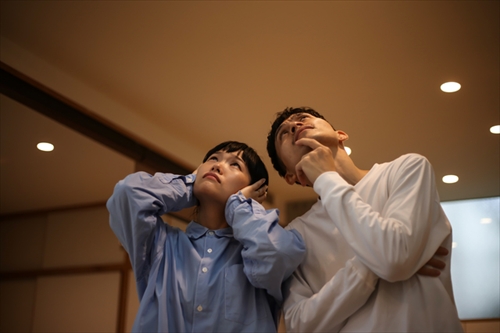
When you live in a country for the first time, you may be confused by the local customs and culture. The following are some of the common problems that foreign residents of Japan have when renting real estate properties.
- Neighborly problems
- Differences in rules
- Contracts and cancellations
Neighborly problems
When foreigners live in Japan, they often rent a room in an apartment or condominium, and they tend to behave in the following ways.
- Inviting friends to your room and making a lot of noise
- Parking your bicycle in front of your room's entrance and blocking the communal passageway
In Japan, the above actions are basically considered to be nuisance behavior. These are basic rules, so in some cases the real estate company may not mention them as points to be careful of. In some countries, having a house party is a common thing, but in Japan it is a culture that is not very familiar. If you are not sure about the extent of what is considered quiet, check with the real estate company in advance.
Reference: 【営業マン必見】外国の人に説明すべき日本の賃貸ルールを徹底解説!/CHINTAI JOURNAL
Differences in rules
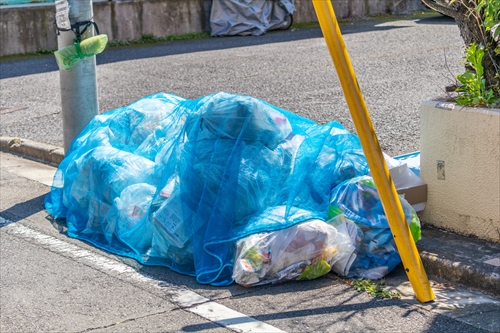
In Japan, detailed housing rules such as the following are set by real estate agencies and rental properties.
- Dumping rubbish outside of the designated days or place
- Dumping rubbish without sorting it
- Leaving rubbish on the balcony
- Falling behind on rent payments
- Sharing a room with a friend when living alone
It is common for these rules to be explained verbally by the real estate agency at the time of signing the contract. However, if your Japanese level is not high, it is possible that you may miss important points. In some countries, there are no rules like the above for real estate or rental properties, and it is possible that you could end up breaking the rules without realizing it.
Reference: 賃貸におけるゴミ出しのマナーってどんなものがあるの?/公社の賃貸ブログ
Contracts and cancellations

The following are common problems that occur when foreigners sign or cancel a contract for real estate or rental property in Japan.
- Not understanding the “deposit”, “key money” and “renewal fee”
- Moving out without contacting the real estate company in advance
- Leaving behind things you don't need in the room when moving out
- leaving without cancelling electricity, gas, water, etc.
Even rules that are considered normal in Japan are not common for foreigners, so problems can arise regarding contracts and cancellations.
Reference: 外国人との賃貸契約は空室解消に有効!よくあるトラブルや対策も解説/アブレイズパートナーズ
Points to note when foreigners live in Japanese real estate and rental properties

No matter which country you live in, there are always local customs and rules. When foreigners move into rental accommodation in Japan, they will still have to live by the rules of Japan. In order to get along well with the people around you in a Japanese apartment block, it is important to keep the following eight points in mind.
- Find a guarantor
- Check the contract details
- Don't make too much noise
- Follow the rules for taking out the rubbish
- Report any equipment faults
- No one other than the contract holder lives in the room
- Report when moving out
- Restore the room to its original state when moving out
Find a guarantor
When signing a rental contract in Japan, you will be asked to find a guarantor who will pay the rent if you fail to pay it. It is common to ask a relative with a stable income to be your guarantor, but for foreigners who have come to Japan alone, it is common to ask a Japanese friend or a friend with a high level of Japanese to be your guarantor.
However, it is difficult to find someone to act as a guarantor because of the money involved. If you cannot find a guarantor, you can use a “guarantee company” that will act as a guarantor for a fee. Some of the many guarantee companies have a good track record of dealing with foreigners.
Reference: 外国人の賃貸契約に保証人は不要? おすすめ対応策も紹介!【専門家のアドバイスあり】/マイナビBiz
Check the contract details

When renting real estate, you will sign a contract with the real estate company. The rental contract will clearly state the initial costs to be paid at the time of signing, as well as the rules for during the tenancy, when renewing the contract, and when moving out, etc. Be sure to read the contract carefully.
It may be difficult for foreigners to understand the contract, as it is written in Japanese and full of technical terms, but it is important to understand the contents while asking questions of the real estate company, as it contains important information. When the contract is complete, the renter's signature is required, but one important point is to make sure you understand the contents of the contract before signing it.
Reference: 賃貸借契約のチェックポイント/不動産ジャパン
Don't make too much noise
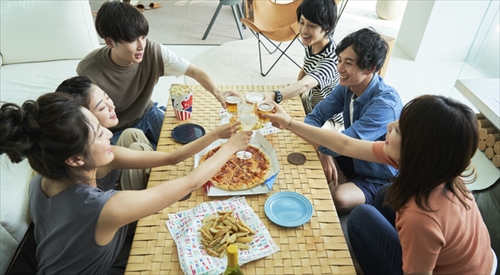
When living in an apartment or condominium, you need to be careful not to make noise or vibrations, especially at night and in the early morning. Things like inviting friends over late at night and making noise, or running the washing machine or vacuum cleaner in the middle of the night may cause problems with your neighbors. If you cause a nuisance to your neighbors with noise, complaints may be passed on to the management or real estate company, and you may be asked to leave your room.
Reference: 騒音の発生主を強制退去させる方法|騒音トラブル対処時の注意点も解説/GMO賃貸DX
Follow the rules for taking out the rubbish

Rubbish collection points are places where problems such as smells and crows causing damage are likely to occur. For this reason, in many rental properties in Japan, rules for taking out the rubbish, such as where to take it out, the date and time, and how to sort it, are set out in detail.
In the case of apartment buildings and other multi-unit dwellings, the doors to the garbage collection point may be locked at times other than the designated collection times. It is normal in Japan to follow the rules for taking out the garbage, so please make sure to follow the rules for taking out the garbage to prevent any problems.
Reference: 日本のゴミ捨てルールは複雑すぎる?その理由と海外のゴミ処理事情をチェック!/yh株式会社
Report any equipment faults
In Japan, it is common for the owner to bear the repair costs for equipment that was originally installed in the property, such as air conditioners, gas stoves, gas water heaters, and lighting, if it breaks down. However, if you repair the equipment yourself without contacting the owner, or if you leave it broken until you move out, there is a chance that you will not be reimbursed for the repair costs, or that you will be charged for it when you move out. If you notice that any equipment has broken down, contact the management company or the owner immediately.
However, if the equipment failure was caused by the negligence of the tenant, the tenant will have to pay for the repairs. In this case, please contact the management company or owner first.
No one other than the contract holder lives in the room

In Japan, only the contract holder is allowed to live in a rental property for one person, such as a studio apartment. This is clearly stated in most rental contracts, so one thing to be careful of is that it is a breach of contract to share a rental property for one person with a friend, or to sublet the room you have rented to someone else, such as a friend.
It is highly likely that a roommate or subletting to someone else will be discovered through a report from a neighbor. If you break the contract, you will be forced to leave the room, so make sure that only the person who signed the contract lives in the room.
Reference: 名義貸し賃貸は違法?賃貸契約後に考えられる問題点やリスク・注意点を解説/テクトピア
Report when moving out
Once you have decided to move out of your rental property, it is common practice in Japan to contact the owner or real estate agency. The general rule is to give one or two months' notice, but the date you should give notice will depend on the real estate agency or owner, so please check your rental contract. If the rental contract includes a special clause on advance notice of cancellation, you must follow this. Please note that in some cases you will need to give notice in writing when cancelling your contract.
Restoring the room to its original state when you move out

When you move out of a rented property, you are required to return the room to its original state, in accordance with the regulations known as “restoring the property to its original state”. The tenant is responsible for paying for any repairs that are the result of the tenant's intentional or negligent actions, such as yellowing of the walls due to smoking or holes accidentally made. On the other hand, the owner or management company will pay for repairs such as the deterioration of wallpaper due to sunlight or the wear and tear of flooring due to everyday use.
Restoration costs are deducted from the deposit you paid to the real estate agency or owner when you signed the contract. In general, if there are no intentional or negligent scratches or stains, and the damage is due to normal wear and tear, the deposit will be refunded. On the other hand, if the restoration costs are higher than the deposit, you may be charged an additional fee. To avoid being in a panic when you move out, make sure you keep your room clean.
Reference: 原状回復義務とは?どこまで自己負担?免除? 不動産賃貸で注意すべきこと、原状回復ガイドラインについて分かりやすく解説/SUUMO
Things you should do before looking for real estate or rental properties in Japan

Use the above information on common problems and points to watch out for as a guide when looking for rental properties in Japan. When looking for real estate in Japan, we recommend keeping the following four points in mind.
- Learn about Japan's unique culture and manners
- Find a rental property in an area that is easy for foreigners to live in
- Find a rental property through a real estate agency that has a lot of experience dealing with foreigners
- Know where to go for advice if you have any problems
Learn about Japan's unique culture and manners
For foreigners from Western countries and other parts of Asia, Japan is a country with a unique culture. There are various cultural and manner differences not only in work and everyday life, but also in the living environment. If you are living in Japan as a foreigner, it is easier to live here if you are aware of these unique Japanese cultures and manners. In particular, understanding the Japanese culture introduced here will help you avoid problems.
Reference: 海外では通じない!?日本文化特有の生活とは?具体例5選/にほんご日和
Find a rental property in an area that is easy for foreigners to live in

In Tokyo, there are an increasing number of areas where many foreigners live, such as Koto-ku and Setagaya-ku. One of the main features of these areas is that it is easy for foreigners to pass the screening process for moving in. Some real estate agencies in these areas are aware of the living situation of foreigners, so there is a possibility that they will be able to show you rental properties that are easy to live in.
Reference: 東京都の住所から外国人向けの賃貸物件を探す/CHINTAI
Find a rental property through a real estate agency that has a lot of experience dealing with foreigners

When looking for a rental property through a real estate website, try searching for properties using the keyword “properties for foreigners”. You can check the name of the real estate agency that is acting as an intermediary in the property information, and there is a high chance that you will find a real estate agency that deals with many rental properties that foreigners can move into. If you use a real estate agency that deals with many rental properties that foreigners can move into, there are advantages such as an easier screening process and the ability to communicate in English.
Reference: 東京都の外国籍フレンドリーな不動産会社一覧/HOME'S
Know where to go for advice if you have any problems

If you have a problem with the management company, real estate agency, or owner, you can consult the following.
| List of consultation services | Details and methods of consultation |
| Consultation services for real estate agencies in each prefecture | Telephone |
| Real Estate Transaction Improvement Organization (RETIO) | Free telephone consultation service for lease contracts. 0570-021-030 |
| Japan Property Management Association | Consultation service for problems while living in a rental property. Accepts inquiries via email form, letters, etc. |
| Housing Reform and Dispute Resolution Support Center (Smile Dial) | You can call for advice on housing-related problems. 0570-016-100, 03-3556-5147 |
| Japan Consumer Association | You can call for advice on various problems and request mediation. 03-5282-5319 |
| Consumer Hotline 188 (Iya-ya) | This service provides information by phone about consumer affairs centers and consumer affairs consultation services set up by local public bodies. National unified number 188 |
| Houterasu | A national general information center for resolving legal problems. By phone on 0570-078374 or by email form. |
If you have a problem with your neighbors, consult with your real estate agent or property management company.
If you are living in Japan, make sure you understand the points to watch out for when renting or buying property

If you are a foreigner moving into a rental property in Japan, it is important to understand the unique Japanese rental rules and customs when signing a contract. By being aware of the points to watch out for, you can prevent the various problems we have introduced here, and live comfortably in Japan, even though it is a different culture.
If you are looking for a job in Japan as well as a comfortable place to live, we recommend using the job-placement agency “GitTap”, which only deals with global IT companies. You can receive a wide range of support, including not only job information but also visa acquisition and salary negotiations.