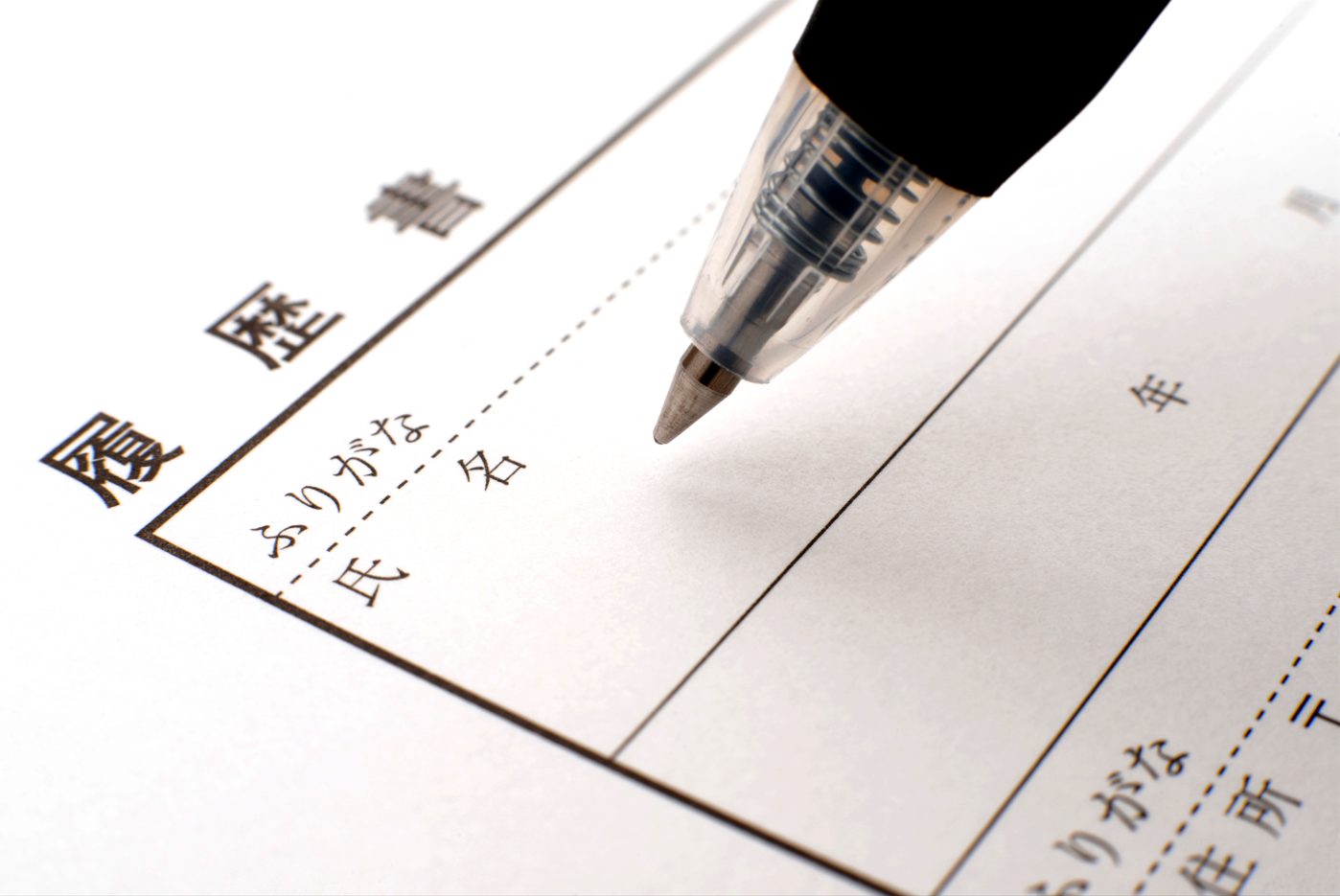
Thinking of working as a software engineer in Japan?
To land your dream job in Tokyo's thriving tech scene—whether in robotics, AI, or gaming—you need more than just code. You need a proper Japanese resume ("Rirekisho").
Unlike Western CVs, the Japanese Rirekisho has a unique format that reflects Japan's business culture. But don't worry.
In this guide, you will get:
- Free Templates: Downloadable Excel format, ready to use.
- Step-by-Step Instructions: How to fill out every section specifically for developers.
- Key Differences: Understanding "Rirekisho" vs. "Shokumu-keirekisho" (CV).
Mastering this document is your first step toward a high-paying engineering career in Japan. Let’s get started.
Contents
- 1 Why You Need a Japanese Resume (Rirekisho) as an Engineer
- 2 Rirekisho vs. Shokumu-keirekisho: What’s the Difference?
- 3 Download Free Japanese Resume Template (Excel)
- 4 Step-by-Step Guide: How to Fill Out Your Rirekisho
- 5 Common Mistakes Foreign Engineers Make
- 6 Conclusion: Start Your Career in Japan Today
Why You Need a Japanese Resume (Rirekisho) as an Engineer
1. The Gateway to the Japanese Tech Industry
Japan is not just about Anime and delicious food; it is a global powerhouse in technology. From world-class automotive manufacturing and robotics to the rapidly growing Web and AI sectors in Tokyo, the demand for international IT talent is at an all-time high.
While your coding skills (Python, Java, Go, etc.) are critical, Japanese companies also value "trust" and "consistency." The Rirekisho is the standard document used to verify your background and show that you are serious about adapting to Japanese business culture.
2. "Do I need to speak fluent Japanese?"
This is the most common concern. While speaking Japanese is a huge plus, it is not always mandatory.
Many modern tech companies and startups in Japan now use English as their primary working language. They are looking for your technical expertise first. However, submitting a properly formatted Japanese resume—even if you use a template—demonstrates your respect for the culture and significantly increases your chances of getting an interview.
Note: If you are worried about the language barrier, GTalent specializes in connecting global engineers with English-speaking tech jobs in Japan.
Rirekisho vs. Shokumu-keirekisho: What’s the Difference?
In Western countries, a "Resume" or "CV" usually covers everything. In Japan, you generally need two separate documents to apply for a job:
1. Rirekisho (履歴書 - Japanese Resume)
- Purpose: A standardized "Profile" document.
- Content: Personal info, education history, employment timeline, and basic qualifications.
- Format: Very strict layout. It rarely changes regardless of the job you apply for.
2. Shokumu-keirekisho (職務経歴書 - Japanese CV / Career History)
- Purpose: To showcase your Technical Skills.
- Content: Detailed project experiences, programming languages (e.g., React, AWS, Docker), team size, and your specific role in each project.
- Format: Free format (but there are standard practices).
For IT Engineers, the "Shokumu-keirekisho" is where you prove your code; the "Rirekisho" is where you prove your character.
This guide focuses on the Rirekisho. If you need to write a Shokumu-keirekisho, check our article below
[Free Template]Japanese CV Guide for Engineers: How to Write a Shokumu Keirekisho & Rirekisho
Download Free Japanese Resume Template (Excel)
First, download our standardized Japanese Resume template. It is in Excel format, so you can easily edit it on your computer.
Download Templaterirekisho_format.xlsx – 31 KB
※ Available in Microsoft Excel format.
Pro Tip: Once you complete your resume, don't just keep it on your desktop. GitTap is a job platform specifically for foreign IT engineers in Japan. By uploading your profile there, Japanese tech companies can scout you directly.
Step-by-Step Guide: How to Fill Out Your Rirekisho
1. Basic Personal Information (基本情報)
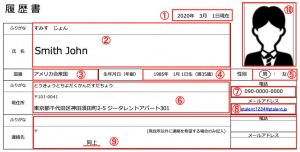
- Name: Write your name in English (alphabet) as it appears on your passport. Adding "Katakana" pronunciation is helpful for HR managers.
- Photo: Essential in Japan. Wear a clean shirt (a suit is safer, but smart casual is often okay for tech jobs). Look straight at the camera. No selfies.
- Address: If you are overseas, write your country and current address.
2. Education & Work History (学歴・職歴) This section is for the timeline.
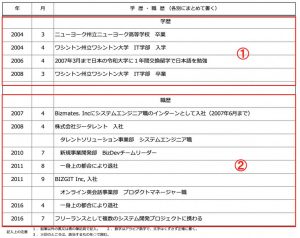
- Education: List from high school onward.
- Work History: List your companies in chronological order.
For Engineers: You don't need to list every programming language here (save that for the Shokumu-keirekisho). Just write the Company Name, Department (e.g., Software Development Dept.), and "Entered/Left".
3. Licenses & Qualifications (免許・資格) This is a great chance to highlight your tech stack and language ability.
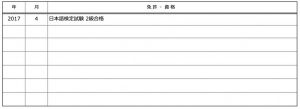
- Language: JLPT (N1-N5), TOEIC, TOEFL.
- Tech Certifications: AWS Certified Solutions Architect, Google Cloud Professional, Cisco (CCNA/CCNP), Salesforce, etc.
Note: Write the official name of the qualification and the month/year you obtained it.
4. Motivation & Requests (志望動機・本人希望欄)
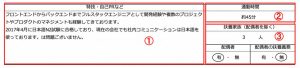
- Motivation: Keep it brief. Focus on why you want to work in Japan and for that specific company.
- Commuting Time: If you live abroad, leave it blank.
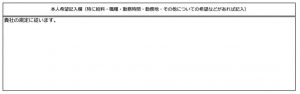
- Requests: Usually, write "I will comply with your company regulations" (貴社規定に従います). If you have strict conditions (e.g., fully remote work due to visa processing), you can mention them here, but it's better to discuss this during the interview.
For Direct Offers: Register on GitTap to get scouted by tech companies.
For Career Advice: Consult with G Talent agents to find high-paying, non-public-sector jobs that meet your visa requirements.
Common Mistakes Foreign Engineers Make
Even skilled developers make simple mistakes on their resumes that can cost them an interview. Avoid these common pitfalls:
1. Mixing Calendars
Japan often uses the Imperial calendar (e.g., Reiwa 6) in conjunction with the Western calendar (2024). Stick to the Western calendar (2024) for consistency unless you are very familiar with the Japanese system.
2. Handwriting vs. Typing
Traditionally, Japanese resumes were handwritten. Today, typing on a PC is perfectly acceptable and preferred for IT jobs. It shows you can use basic tools efficiently.
3. Using a "Selfie" Photo
We cannot stress this enough. Even for startups, a casual selfie gives a sloppy impression. Use a clean, well-lit photo with a plain background.
4. Ignoring Gaps
If there is a gap in your employment history, be prepared to explain it. Japanese HR managers often check for consistency in your career timeline.
Conclusion: Start Your Career in Japan Today
The Japanese Rirekisho is more than just paperwork; it is your passport to a new life and career in one of the world's most exciting tech hubs.
By following this guide and using the template, you have already cleared the first hurdle. But remember, the resume is just a tool. The goal is to land the job.
Ready to take the next step?
Get Scouted: Upload your new resume to GitTap and let Japanese companies come to you.
Get Expert Help: If you want professional advice on visa sponsorship, salary negotiation, or interview prep, register with GTalent. Our bilingual consultants specialize in helping foreign engineers succeed in Japan.