
For those who have only lived in Japan for a short time or are visiting Japan for the first time to find work, job interviews can be very nerve-wracking. In this article, we will introduce some strategies for job interviews, including what Japanese companies are looking for. We have also compiled a list of points to keep in mind during interviews and some of the questions that are commonly asked, so if you are going to have a job interview in Japan for the first time, please refer to this article.
At global recruitment agency "G Talent", you can not only find a job, but also receive support for things like interview techniques. If you want to find a job that suits you while receiving various kinds of support, we recommend that you use this service.
Contents
What do Japanese companies look for in recruitment?
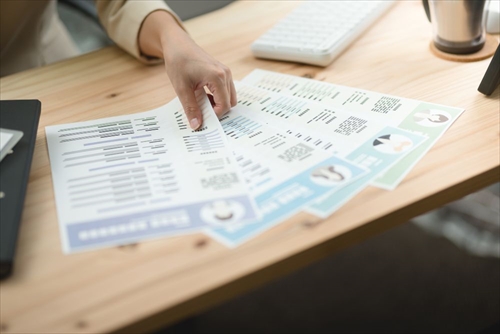
A job interview is a place where companies can assess whether or not a candidate is suitable for the job and whether or not they would be a good fit to work with. The points that companies look for in job interviews differ greatly between overseas and Japanese companies, so if you are looking for a job in Japan for the first time, you may be a little confused. However, if you keep a few key points in mind, you don't need to worry or get nervous.
So, we will explain in detail what Japanese companies are looking for in job interviews. Please use this as interview practice, assuming that you are being asked questions by the interviewer. The points that Japanese companies look for in job interviews are as follows.
- Do you have communication skills?
- Can you be punctual?
- Are you well-groomed?
- Are you working illegally or have you entered the country illegally?
- Do you have stress tolerance?
Do you have communication skills?
Being able to communicate well is a very important point when it comes to smoothly carrying out your work. If you are unable to communicate smoothly within the company after joining, it could hinder your work. Even if you can't speak fluently, think back on whether you can listen well, whether you can communicate smoothly, and whether you can ask back if you don't understand.
Also, some companies use small talk in interviews, such as asking about your favorite place in Japan or what has been happening recently, to gauge your communication skills. If you get nervous and find yourself at a loss for words, it's a good idea to show that you are actively trying to communicate. If you can use honorifics properly, rather than speaking in a casual way like you would with a friend, you may be able to make a better impression.
Reference: 面接で求められている「コミュニケーション能力」って何?面接で見られる2つのコミュ力とは/ONE CAREER
Can you be punctual?

In other countries, even if you are late for work, they tend to focus on results such as performance, but this is not always the case for companies in Japan. During recruitment interviews, they are looking to see whether you are a person who can not only be punctual for work hours, but also for meetings, breaks and other set working times.
In Japan, there is a national character that values people who prepare in advance and act in a punctual manner. If there are people in the company who are not punctual, it can cause work to progress in an uncoordinated way and can cause stress for your colleagues. Make sure you arrive at the interview with plenty of time to spare, and show that you value the importance of being punctual.
Reference: 面接当日に気を付けるべきポイント「企業へ行く時間」「受付」「入退出」/いい就職ドットコム
Are you well-groomed?

If you turn up for an interview in overly casual clothes or with an unkempt appearance, it will undermine your credibility as a businessperson. If you continue to wear the same kind of clothes after joining the company, you may be judged as someone who “might give an unfavorable impression to important business partners”.
Even if the company says “dress code is flexible” or “wear casual clothes”, you must remember that you are still in a business situation. It is better to wear a jacket that is not wrinkled over a shirt or blouse, and to wear well-fitting trousers and leather shoes rather than sneakers. Even if the dress code is flexible, be careful not to wear highly fashionable “casual clothes”.
Reference: 面接の時に企業から見られている服装はココ!面接マナーについて徹底解説!/コメディカルドットコム
Are you working illegally or have you entered the country illegally?

In Japan, if you employ someone who is staying in the country illegally, someone who is not allowed to work, or someone who is working beyond the scope of their current visa status, you will be subject to penalties even if you are not aware of the fact. Of course, companies do not want to employ people who are at risk of penalties or who are suspicious.
If your company asks you to submit documents to confirm that you are not working illegally, make sure you comply. If there are any omissions in the documents or you refuse to submit them, you may be suspected even if you are staying in Japan legally. It is also a good idea to make sure you understand your visa type and any restrictions on working.
Reference: 外国人を面接する際に覚えておきたい5つの注意点/jopus biz
Do you have stress tolerance?

Working overseas is not easy, so if you feel that it is not for you, quitting will not be stressful, but the employer will not feel the same way. They do not need someone who is likely to quit straight away, and if they judge that you have low stress tolerance, your chances of passing the selection process will be greatly reduced. Even if you are asked questions that make you feel stressed during the interview, try to remain calm and answer them.
Also, it is better not to fidget, click your tongue before speaking, or make a sour expression during the interview. Many people in Japan feel that these actions are bad manners, and they will give you a bad impression, thinking that you will also have a bad attitude at work. When you are at an interview, you should also keep in mind the manners that are unique to Japan, which value the atmosphere of the place.
Reference: ストレス耐性を面接で聞く意図と答え方のコツは?耐性が高い人の特徴3つも/Geekly Media
Preparing for a job interview in Japan
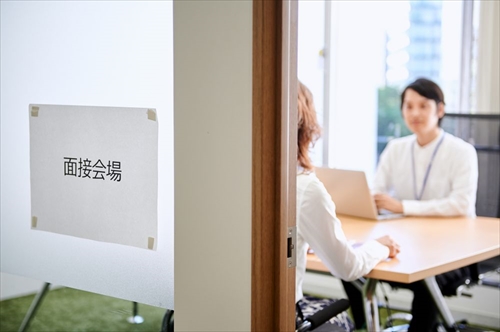
If you approach the interview in the same way as you would a job interview in your home country, you will throw away your chance. If you can follow Japanese manners and behave in a way that doesn't make you seem foreign, you will make a good impression.
Here are three points to keep in mind when attending a job interview in Japan.
- Don't be late
- Get yourself ready
- Write your resume carefully yourself
These are the minimum standards of etiquette in Japan, so make sure you are aware of any differences with the etiquette of your home country.
Don't be late
For job interviews in Japan, we recommend arriving at the building where the interview will be held 15 to 30 minutes before the scheduled time. Also, arriving too early may disrupt the company's schedule, so try to complete reception procedures about 10 minutes before the interview time.
Furthermore, being late is out of the question. On the day of the interview, be sure to allow yourself plenty of time to get there, in case of delays or other unexpected problems with public transport. If you think you're going to be late for your interview, contact the company as soon as you know you're going to be late. Tell them the reason why you're going to be late and the time you expect to arrive, and ask for instructions from the person in charge.
Reference: 4社に3社「面接への遅刻は絶対NG」/逆に「許される」場合とは? 謝罪の方法は?/JOBRASS新卒
Get yourself ready

When you're heading to a job interview, wear a business suit unless the company specifies otherwise. Pay attention to your hair, makeup, beard, and nails to make sure they look clean and tidy. It's best to remove any large accessories and wear small, understated ones instead, or not to wear any at all. Wear a simple watch, not one that's too fashionable.
In addition, there is a tendency in Japan to have a negative impression of tattoos. If you have a tattoo that is visible, try to make it as inconspicuous as possible. However, it is also important to be honest when asked about your tattoo.
Reference: 就活の身だしなみは超重要!好印象の与え方を男女別に解説/キャリアパーク転職エージェント
Write your resume carefully yourself

In Japan, it is generally considered bad form to have someone else write your resume for you. Unless you have a special reason, such as being temporarily unable to write due to an injury, it is preferable to write it yourself carefully. Falsifying the fact that you have already obtained a qualification you are still studying for will cause your impression to be negatively affected if it is discovered later.
Also, unless otherwise specified by the company, there is no problem with either handwritten or computer-generated documents. You can choose the method of creating your document according to your purpose, such as wanting to make an appeal with handwritten letters, or wanting to make an appeal with computer skills.
Reference: 履歴書の言葉遣いは重要!就活で注意すべき敬語の使い方を徹底解説/ハタラクティブ
Questions commonly asked at job interviews in Japan

At job interviews in Japan, the interviewer will ask a variety of questions to check your suitability for the company. For foreign job seekers, there are some “common questions” that are asked to prevent mismatches after hiring as much as possible.
Here, we will introduce five common questions asked at job interviews in Japan. If you are considering changing jobs or finding a job in Japan, please familiarize yourself with the common questions and use them to prepare for interviews.
“Please introduce yourself.”
In job interviews in Japan, not just foreigners are asked to give a “brief self-introduction”. This is to see if you can explain the main points concisely in easy-to-understand language. Rather than rambling on, try to summarize your content in a way that allows you to convey your strengths and selling points. If you can introduce yourself while looking the other person in the eye and smiling, you will probably get a higher evaluation.
Reference: 【面接対策】印象が良くなる自己紹介を徹底解説!ケース・職業別の例文やNG例も紹介!/バイトル
“Why do you want to work in Japan?”

They are looking to see if you have a specific reason for wanting to work in Japan rather than your home country, and whether you have the intention of working in Japan for the long term. In many cases, people answer “the good points of Japan” when asked why they want to work in Japan, but the interviewer is not interested in hearing “why you like Japan”. Make sure you clearly convey your specific reasons for wanting to work in Japan and why you chose Japan.
Reference: 「外国人留学生向け」面接で「日本で働きたい理由」を聞かれた時の答え方/留学生の就活ナビ
"Why did you apply to this company?

The most important thing to consider in an interview is your motivation for applying. The interviewer will be looking at how much you want to work for the company and how much you will contribute to the company after joining. As this is a question that will be asked at any company, it is a good idea to have your own reasons for wanting to work there. Be clear about what you can contribute based on your past achievements, and what you want to achieve after joining the company.
Reference: 志望動機の面接頻出質問14選!各質問の出題意図を踏まえた回答対策/unistyle
“What problems have you had since coming to Japan?”

By asking questions about problems or difficult experiences you have had since coming to Japan, they are looking to see whether you have the ability to solve problems and whether you are aware of the negative aspects of Japanese society. Be honest about how you dealt with the stress you felt due to cultural differences and what you learned from the experience. If you have not had any particular experiences, there is no need to make something up.
Reference: 外国人が日本企業の面接でよく聞かれる質問/SuraPera
“Can you follow the rules of a Japanese company?”
Because customs and culture differ between Japan and other countries, the rules of society also differ. In addition to the rules set by each company, they will also be looking to see whether you will be confused and quit or go back home. It would be good to show that you can act while fully understanding both the good aspects of Japan as well as the rules and negative aspects of Japanese culture, and respecting them.
Let's find out what Japanese companies look for in job interviews and prepare accordingly!

When Japanese companies hire foreigners, there are some common questions and areas they look for in job interviews. If you can get a handle on the questions that are frequently asked and the points you need to be aware of, you won't have to worry about what to say in the actual interview. If you can make a good impression, your chances of being selected will increase, and you will have a better chance of working at the company and under the conditions you want.
If you are thinking about changing jobs or finding a new job in Japan, we recommend that you use the “G Talent” website. This is a job-hunting platform for foreign engineers, and 40% of the jobs listed on the site offer an annual salary of 8 million yen or more. If you want to earn a stable income in Japan or make use of your career experience in Japan, this is a service that you will find very useful. If you are interested, you can register for free and receive job offers from companies.