Since the COVID-19 pandemic, there have been many changes in the way Japanese companies work, such as the introduction of telework and remote work. Foreigners working in Japan often find themselves confused by the many differences between their home country and Japanese culture. Since there have been even more changes since the COVID-19 pandemic, it is important to be aware of the changes that have taken place in Japanese companies since the COVID-19 pandemic in order to smoothly adapt to working in a Japanese company.
We will also explain the key points to prepare for working after the COVID-19, so please refer to this if you are a foreigner who wants to work for a Japanese company after the COVID-19. If you want to work for a company that adopts a working style that suits you, please make use of the global IT company recruitment agency “G Talent”.
Contents
- 1 Changes in the way of working in Japan after the COVID-19
- 2 Cultural changes in Japanese companies since the COVID-19 pandemic
- 3 Points to consider when preparing for the way we work after the COVID-19 pandemic
- 4 If you are looking for a job at a Japanese company that is understanding of the post-COVID-19 situation, try '"G Talent"
- 5 Let's get to know and adapt to the new ways of working in Japan that have emerged since the COVID-19 pandemic!
Changes in the way of working in Japan after the COVID-19
Due to the spread of the new COVID-19, there have been the following changes in Japanese companies since the COVID-19.
- The spread of telework
- Awareness of infection control measures
- Decrease in face-to-face transactions and business trips
- Review of old corporate systems
The spread of telework
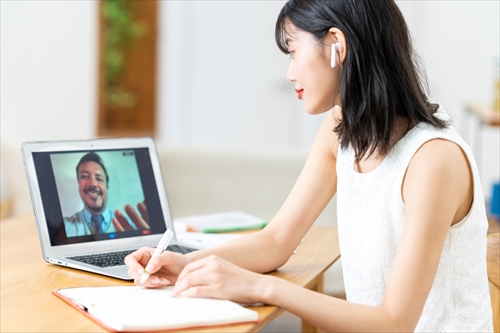
The spread of teleworking is probably one of the biggest changes brought about by the COVID-19 pandemic. One of the benefits of introducing teleworking is that it eliminates the need to spend time commuting to work.
Many people who work in companies have to spend several hours commuting to and from work each day. By freeing up the time that office workers used to spend commuting to work, they can now spend that time relaxing at home or investing in themselves by studying, for example.
If teleworking allows people to have more time for their private lives, it is hoped that mental stress and physical fatigue will decrease compared to the past. This will ultimately lead to an increase in productivity.
Reference: コロナによる働き方の変化。テレワークは定着していくか?/SHARING
Awareness of infection control measures
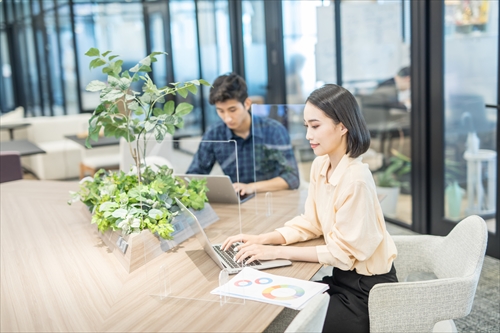
Since the COVID-19 pandemic, companies have been taking measures to prevent the spread of the COVID-19. Examples of these measures include the following
- Ensuring that employees wear masks
- Limiting the number of people who come to work
- Installing partitions between the spaces where employees sit
- Ensuring that employees maintain a distance from each other
- Regularly opening windows and doors in the workplace to let in fresh air
- Install disinfectant and encourage regular disinfection
- Install thermal cameras at entrances to check employees for fever, etc.
Various measures are being implemented to prevent the spread of infection in various work situations.
Reference: 中小企業のための新型コロナウイルス対策/OHサポート株式会社
Decrease in face-to-face transactions and business trips
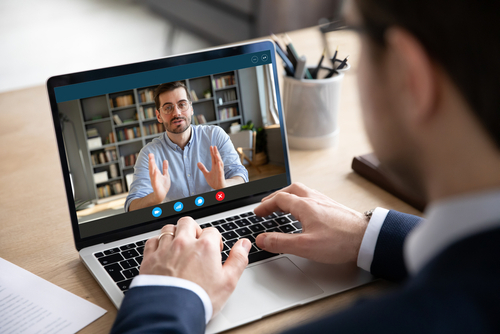
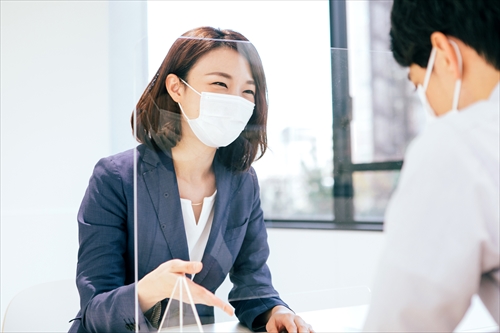
Since the COVID-19 pandemic, there has been a significant decrease in face-to-face transactions and business trips in order to prevent the spread of the new COVID-19. Instead of meeting face-to-face with business partners, there has been an increase in opportunities to hold discussions via web conferencing. The benefits of the decrease in face-to-face meetings and business trips are not limited to the reduced risk of infection. As the time spent traveling has also been reduced, this time can now be used for other work.
Reference: コロナ禍で減少する国内・海外出張、規定上の出張関係費は据え置かれる傾向/産労総合研究所
Review of old corporate systems
One of the major changes since the COVID-19 pandemic is that old corporate systems that were taken for granted in many companies are being reviewed. For example, in the past, there was a tendency in many companies to think that “it was only natural to hold meetings face-to-face”. However, as recent trends show, meetings can be held online without any problems.
Furthermore, when teleworking was first being introduced, it was thought that some employees would have to come into the office because they needed to use their personal seal on documents. However, in the modern age, digital seals are just as effective online. Therefore, after the COVID-19, there is no need to come into the office to use your personal seal.
Since the COVID-19 pandemic, systems that were previously thought to be “unchangeable” are being reviewed, and work efficiency is being promoted. Companies that see the changes in working styles caused by the COVID-19 as “a good opportunity to review their corporate structure” will be able to continue to change into companies that are even more comfortable to work for after the COVID-19 pandemic.
Reference: 時代は“脱ハンコ”へ コロナ禍で進む「電子契約/電子署名」の将来 慶応大の手塚教授に聞く/ITmedia NEWS
Cultural changes in Japanese companies since the COVID-19 pandemic
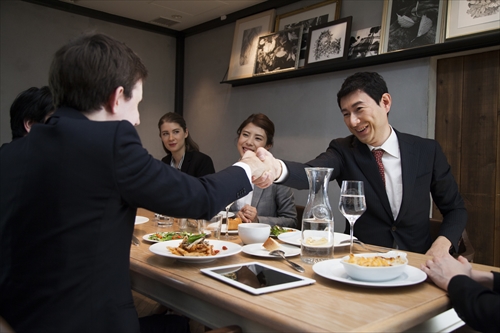
Since the COVID-19 pandemic, the following cultural practices that were common in Japanese companies have been decreasing in frequency.
- Regular drinking sessions
- Meals with co-workers
- Commuter rush hour
However, it is thought that these changes are only temporary. In some cases, they may return once the COVID-19 crisis has settled down, so we recommend that you familiarize yourself with the outline of these changes.
Regular drinking sessions
In Japan, it is common for employees to have drinks together after work. However, since the COVID-19, there has been a trend to refrain from drinking sessions in order to prevent the three close contacts. The fact that there are fewer opportunities for drinking parties means that individuals spend less money and have more free time, which is a major benefit.
On the other hand, it could be said that the fact that there are fewer opportunities for employee communication is a disadvantage. This is because drinking parties were often used as a place for employees to get to know each other.
Furthermore, even after the COVID-19 pandemic, there are people who are still holding online drinking parties on the web. Compared to the past, many people may feel that online drinking parties are easier to attend, as there is less risk of staying out late or incurring large expenses.
Reference: 職場の飲み会は必要?「飲みニケーション」についての最新調査、コロナ禍を経て仕事関係の飲み会は減少傾向に/YAHOOニュース
Meals with co-workers

If you work for a Japanese company, it's not uncommon to be invited out for a meal by your boss, or to go out for a meal with your subordinates or colleagues. However, eating with multiple people and talking in enclosed spaces are major factors that increase the risk of infection, so just like drinking sessions, meals are also being curtailed after the COVID-19 pandemic.
When holding a dinner party after the COVID-19, it is essential to choose a restaurant that takes infection control measures into consideration, such as choosing a restaurant with terrace seating or one where it is easy to keep a distance between people. Compared to a casual drinking party, the bar may be raised, but one option to prevent infection is to hold it online.
Reference: ニューノーマル時代の接待やビジネス会食はどうすれば良い?/ヒトサラ
Commuter rush hour
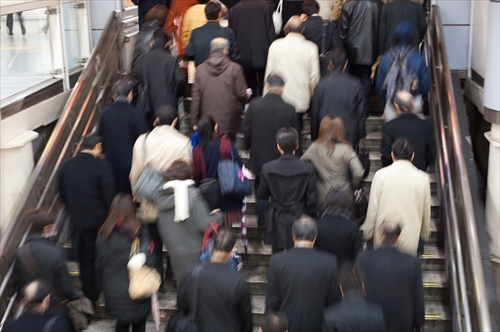
Since the COVID-19 pandemic, many companies have introduced teleworking, which has greatly eased the commuter rush. The fact that people are less likely to get caught up in the crowds is probably one of the typical benefits of teleworking.
Especially in areas with large populations, there is a clear trend in Japan towards more people commuting to work by train than by car. Therefore, the station concourses in the morning are so crowded that it is difficult to even walk freely. The trains are also similarly crowded, and it is not uncommon for it to be so crowded that you can't even move a single step. The fact that telework has become widespread and people no longer have to take the train has a positive impact on both body and mind.
Reference: 「年中満員電車の社員と出社ゼロ社員」コロナ後さらに開く"テレワーク格差"/PRESIDENT online
Points to consider when preparing for the way we work after the COVID-19 pandemic
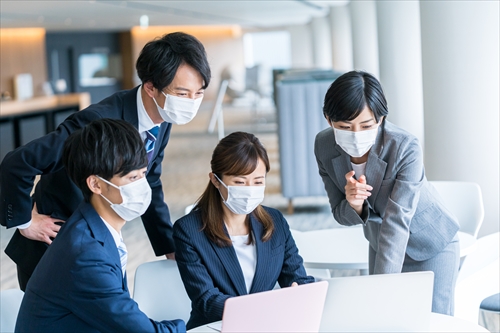
In the post-COVID-19 era, it is essential to work with the following points in mind.
- Create an environment where both telework and commuting to the office are possible
- Actively communicate with other employees
- Adapt to new systems while understanding the corporate culture
Create an environment where both telework and commuting to the office are possible
In order to survive in the post-COVID-19 era, where many things have changed in recent years, it is necessary to be able to respond to both telework and commuting to the office. In order to make telework comfortable, various innovations are required, such as preparing a work room at home and improving the communication environment.
On the other hand, some people feel that communication is easier when they go into the office, so it can be said that teleworking and going into the office each have their advantages and disadvantages. Depending on the company, there are cases where employees can choose the way they want to work, so it would be better to be able to respond flexibly to both ways of working so that you can work more comfortably and efficiently.
Reference: 影響は一長一短、米国でのテレワークはコロナ危機後も継続見込み/Forbes
Actively communicate with other employees
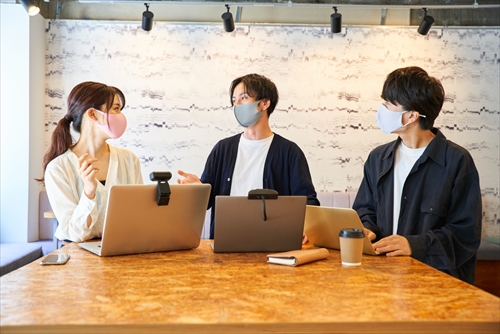
If you are going to be working mainly from home, you need to be aware of the weakness of teleworking, which is that it can be difficult for employees to communicate with each other. As you won't always have colleagues around you, it will be more difficult to communicate than before. In order to avoid falling behind with your work due to teleworking, make sure you communicate well while making these kinds of efforts.
- If you have any questions, make sure to check them via chat or phone.
- Interact with your colleagues through online events, etc.
- When you come to the office, make sure to take thorough infection control measures and actively communicate with others.
It is said that one of the disadvantages of teleworking is the lack of communication between employees. To remedy this, make use of the methods above to resolve any communication issues you may have.
Reference: テレワークでのコミュニケーションにおける4つの課題点と解決策を紹介/コクヨマーケティング株式会社
Adapt to new systems while understanding the corporate culture
The COVID-19 has changed many things, including the way we work and people's values. However, if the general way of working in the post-COVID-19 era is not suited to the corporate culture, the way we work may not change significantly even after the COVID-19. If you focus too much on the unique post-COVID-19 working styles, such as “Why do people still commute to work after COVID-19?” or “Why are there still so many drinking parties?”, you may end up disrupting the harmony. While adapting to the systems that are changing due to COVID-19, let's not forget to have a good understanding and respect for the company culture before COVID-19.
If you are looking for a job at a Japanese company that is understanding of the post-COVID-19 situation, try '"G Talent"
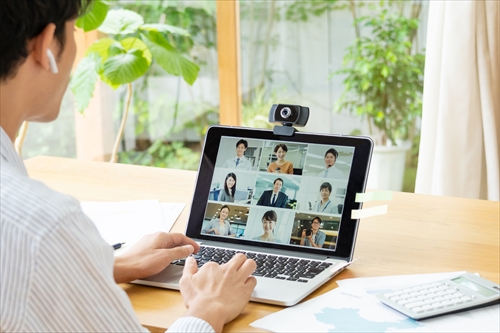
In order to work without stress while preventing the spread of COVID-19, it is necessary to find a company that understands the way of working in the post-COVID-19 era. If you are looking for such a company, please use the job-change agent “G Talent”.
G Talent is a recruitment service operated by Bizmates, an online English conversation service. We support people of various nationalities in finding work at Japanese companies. Our IT-savvy bilingual career advisors will propose jobs that match your desired working style.
In addition to job introductions, they also provide a range of services, including salary and conditions negotiation support, resume creation support, and support for foreign nationals to obtain visas, so if you want to work at a company that suits you, why not start by registering?
▶︎Click here to register for G Talent
Let's get to know and adapt to the new ways of working in Japan that have emerged since the COVID-19 pandemic!
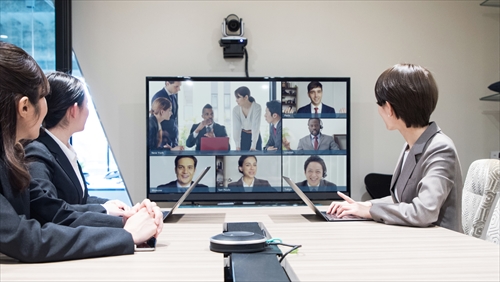
In this article, we have introduced some of the changes that have taken place in Japanese companies since the COVID-19 pandemic, such as the introduction of teleworking and a decrease in opportunities for after-work drinks. By learning about the changes to working styles brought about by the COVID-19, even foreigners working in Japan for the first time will be able to adapt to their company more smoothly. If you are planning to work in Japan or would like to learn about the cultural differences between Japan and your home country, please refer to the content introduced in this article.
Since working styles have diversified since the COVID-19, if you want to find a company with a working style that suits you, please use the job-change agency “G Talent”, which gathers global IT companies.